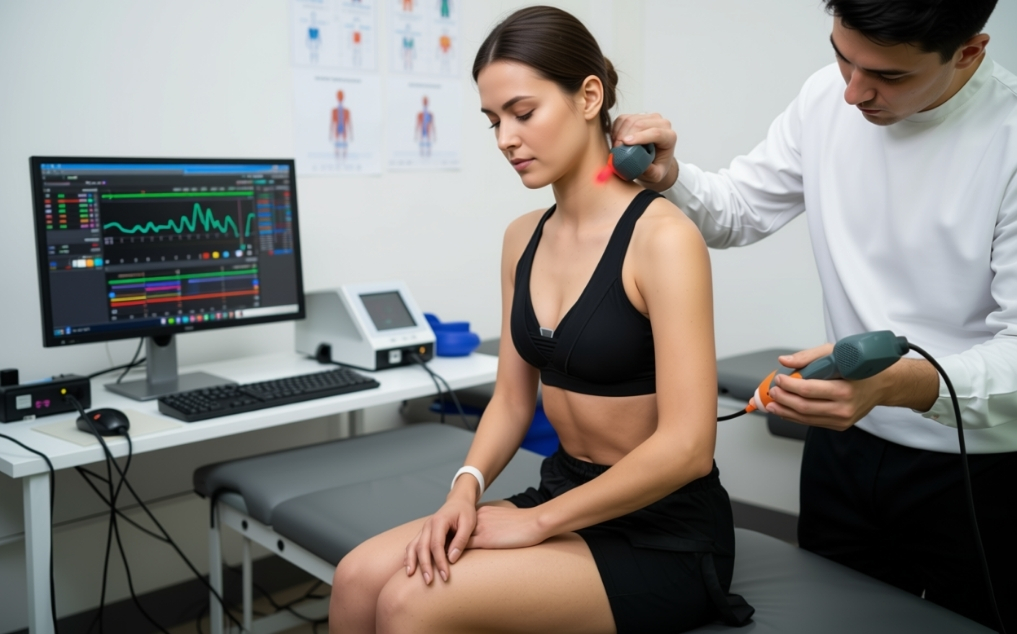
Your body has been sending increasingly urgent messages—stiffness when you wake up that takes longer to work out each morning, difficulty reaching overhead without discomfort, nagging tightness in your hips and lower back after sitting through work meetings, and the realization that movements you once performed effortlessly now feel restricted. You’ve tried stretching at home following online videos, used foam rollers that provide fleeting relief, and wondered why the flexibility you had years ago seems permanently out of reach.
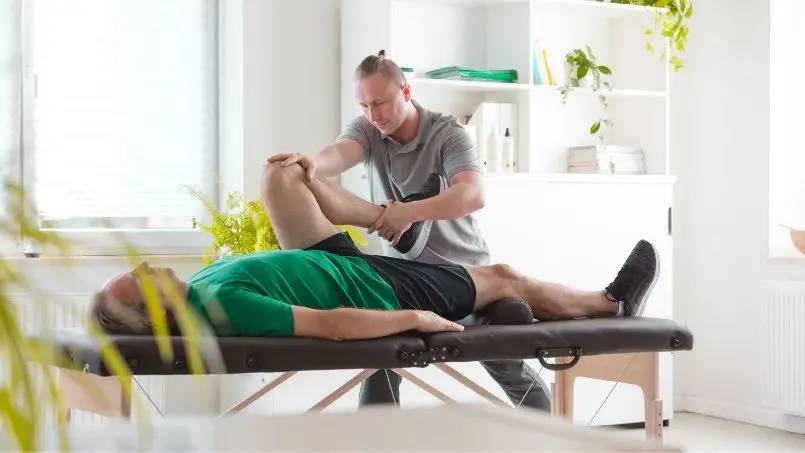
StretchClub® in Oswego, IL offers a doctor-designed solution with one-on-one sessions blending PNF and dynamic partner-assisted stretching. These programs target deep restrictions your body can’t release alone, improving flexibility, strength, and lasting mobility—whether you’re an athlete, desk worker, or active adult.
Why Self-Stretching Can’t Reach Deep Restrictions

The myotatic reflex—your body’s built-in defense—causes muscles to contract when stretched too far, stopping self-stretching before deep restrictions can release. No matter your effort, you’re working against your own nervous system.
Professional stretch therapy overcomes this by using controlled assistance your body trusts. Specialists apply precise leverage and adjust in real time as tissues release, reaching depths and mobility gains impossible through self-stretching alone.
The StretchClub Approach to Flexibility and Mobility
Doctor-Designed Stretch Programs

Dr. Michael Scardina leads the Oswego team in delivering physician-designed programs that systematically address flexibility limitations. Each evaluation identifies restrictions, movement dysfunctions, and compensations developed over time. Assessments include posture, range of motion, movement screening, and a discussion of your goals—whether pain relief, performance, or independence.
Your personalized program targets the specific tightness, weakness, and dysfunction limiting you. Unlike generic routines, this individualized approach delivers superior, lasting results.
One-on-One Partner-Assisted Stretching

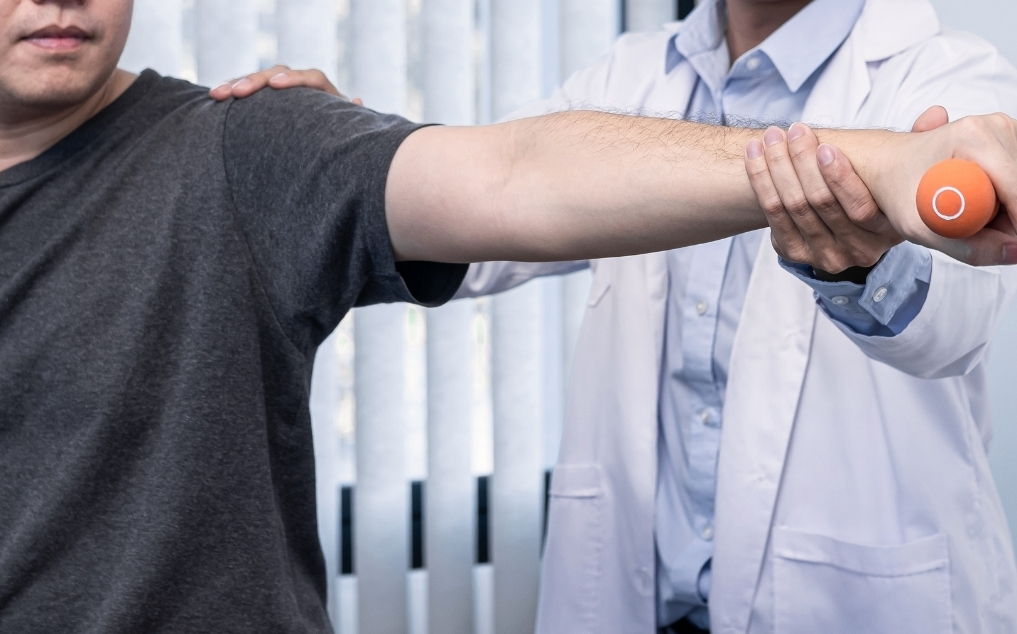
Each session provides focused, customized attention to your body’s restrictions. Using PNF stretching—alternating contraction and relaxation—your specialist reprograms neuromuscular responses while guiding you through active, assisted movements for lasting flexibility gains.
Progressive sessions build on each other: early visits uncover hidden restrictions, while later ones address deeper tissues and compensations. The result is steady, cumulative improvement—not temporary relief.
Integration with Chiropractic and Strengthening
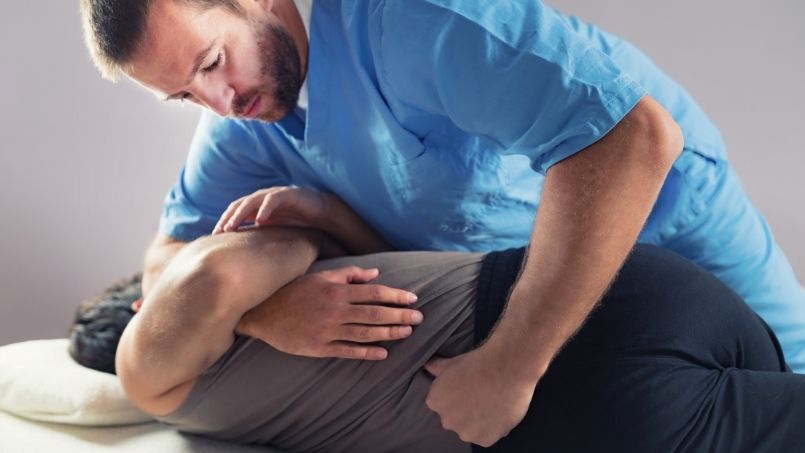
Flexibility alone isn’t enough if joint alignment and stability are ignored. StretchClub integrates stretch therapy with chiropractic care to maintain alignment and guided strengthening to support mobility gains.
By addressing muscle restrictions, structural alignment, and stability together, this approach ensures long-term results that isolated stretching cannot achieve.
Benefits Beyond Increased Flexibility
Pain Relief Through Restored Movement
Chronically tight muscles develop trigger points referring pain to distant areas—hip flexor restrictions causing lower back pain, tight neck muscles creating headaches, restricted calves contributing to plantar fasciitis. Joints with limited range of motion experience uneven wear accelerating arthritis. As stretch therapy restores normal ranges, these pain mechanisms resolve. Most patients notice pain reduction within 2-4 weeks as restrictions release and movement normalizes.
Enhanced Athletic Performance and Injury Prevention
Athletes benefit from improved mobility through enhanced power output—full ranges allow complete muscle lengthening before contraction, maximizing force generation. Movement efficiency improves as restrictions no longer limit natural mechanics. Sport-specific flexibility proves particularly valuable. Runners gain hip and ankle mobility improving stride length. Golfers develop thoracic rotation essential for powerful swings. Tennis players achieve shoulder mobility preventing rotator cuff problems.
Maintaining optimal muscle length and joint mobility dramatically reduces injury risk. Restricted muscles tear more easily when sudden demands exceed their limited range. Proper flexibility creates resilience—your body handles unexpected demands without tissue damage. When injuries occur, individuals with better baseline mobility typically recover faster and more completely.
Who Benefits Most from Guided Stretch Therapy

Desk workers and office professionals benefit as prolonged sitting creates predictable restriction patterns. Hip flexor tightness from constant sitting tilts the pelvis forward. Hamstring restrictions limit hip mobility. Chest muscles shorten pulling shoulders forward and straining upper back. Stretch sessions targeting these patterns restore balanced positioning.
Athletes and active individuals gain flexibility enhancement improving performance while preventing overuse injuries. Weekend warriors managing recreational activity demands gain resilience allowing them to enjoy sports without constant injury concerns. Active adults maintain independence through consistent flexibility maintenance preventing age-related mobility decline. People recovering from injury or surgery accelerate healing and prevent complications through guided stretch therapy.
Conditions Successfully Addressed Through Stretch Therapy
Stretch therapy effectively treats various conditions:
- Lower back pain from muscle tension, postural dysfunction, or disc issues
- Neck pain and tension headaches resolving as cervical restrictions decrease
- Shoulder pain including rotator cuff issues and frozen shoulder
- Hip and knee pain related to IT band tightness and muscle imbalances
- Plantar fasciitis and foot pain from calf and ankle restrictions
- Limited range of motion affecting daily activities or athletic performance
- Postural deviations including forward head and rounded shoulders
- Movement restrictions following injury or surgery
The comprehensive approach treats underlying patterns creating and perpetuating movement limitations.
What to Expect During Your Stretch Therapy Journey
Comprehensive Initial Assessment
Your first visit begins with thorough examination understanding your specific restrictions and goals. Dr. Scardina and his team review your health history, current symptoms, previous treatments tried, and what you hope to achieve. Physical assessment includes posture analysis, range of motion testing, functional movement screening, and identification of specific muscle groups requiring targeted attention.
Based on findings, your personalized treatment plan outlines which areas will receive focus, appropriate session frequency, and realistic timeline expectations. Most patients begin with multiple sessions weekly initially, allowing cumulative progress. As improvements solidify, many transition to less frequent maintenance sessions.
Progressive Session Structure
Sessions follow systematic progressions building on previous work. Your specialist uses PNF techniques and dynamic partner-assisted stretching to release chronic tightness. You’ll actively participate through appropriate muscle engagement—this active involvement creates neurological changes allowing lasting improvements.
Early sessions establish baseline flexibility measurements tracking progress objectively. Middle sessions address deeper tissue layers as superficial restrictions release. Later sessions maintain gains while continuing to progress ranges, ensuring improvements stick rather than regressing.
Measurable Progress Tracking
StretchClub tracks objective measurements documenting improvements—range of motion increases, pain scale reductions, and functional capacity enhancements. Regular reassessments compare current status to baseline measurements, celebrating achievements while identifying areas requiring additional focus.
Insurance Coverage and Payment Options
Many commercial health insurance plans provide coverage for stretch therapy services at StretchClub, with Blue Cross Blue Shield PPO among those typically accepted. During your initial consultation, the administrative team reviews your specific insurance benefits, explaining what services are covered and any out-of-pocket costs.
Patients injured in auto accidents are welcomed, with StretchClub coordinating with auto insurance providers to ensure appropriate coverage. The team manages all insurance documentation and claims processing. While Medicare and Medicaid cannot currently be accepted, various payment options accommodate patients with alternative insurance or those choosing to pay directly.
Begin Your Flexibility Journey at StretchClub Oswego
StretchClub’s doctor-designed stretch programs have helped countless Oswego residents overcome flexibility limitations, eliminate chronic pain, and achieve movement goals they’d thought impossible. Dr. Michael Scardina’s expertise combined with the integrated team approach ensures you receive comprehensive care addressing all factors limiting your mobility.
Stop letting stiffness or limited motion hold you back. Reach out to StretchClub Oswego to book your complimentary consultation and discover how our one-on-one, doctor-designed stretch sessions—featuring PNF and dynamic partner-assisted techniques—can restore comfort, mobility, and long-term flexibility.
Frequently Asked Questions
How is professional stretch therapy different from stretching on my own?
Professional stretch therapy accesses significantly deeper tissue restrictions because trained specialists provide external leverage that safely overrides your body’s protective reflexes. Using PNF techniques and dynamic partner-assisted stretching, specialists help your muscles relax more completely and achieve ranges impossible to reach independently. Additionally, professional assessment identifies specific restrictions your self-stretching routine might be missing entirely.
Will stretch therapy hurt?
Properly performed stretch therapy should never cause sharp pain. You’ll feel intensity as chronic restrictions release—a sensation patients often describe as “good hurt” indicating effective treatment without tissue damage. Your specialist constantly communicates with you, adjusting pressure and depth based on real-time feedback. Treatment remains within comfortable limits throughout.
How quickly will I notice improvements in my flexibility?
Many patients notice immediate improvements—increased range of motion and reduced tension—after their first session. Significant functional improvements typically occur within 2-4 weeks of consistent treatment as tissues begin genuinely remodeling. Long-term transformation requires ongoing sessions as your body progressively adapts to new movement patterns.
Can stretch therapy help chronic pain that hasn’t responded to other treatments?
Yes, stretch therapy often provides lasting relief for chronic pain resistant to other approaches. By addressing muscular restrictions, movement compensations, and structural imbalances contributing to pain, comprehensive treatment targets root causes rather than just managing symptoms. Many patients report resolution of pain they’ve experienced for years.
Who should consider professional stretch therapy?
Anyone experiencing restricted mobility, chronic muscle tension, or movement limitations benefits from professional stretch therapy. Athletes seeking performance advantages, desk workers battling postural dysfunction, active adults maintaining independence, people recovering from injuries, and those managing chronic conditions all achieve significant improvements.
How often should I schedule stretch therapy sessions?
Session frequency depends on your specific restrictions, goals, and how your body responds. Most patients benefit from multiple sessions weekly initially, allowing cumulative progress. As flexibility improves and symptoms resolve, many transition to weekly or bi-weekly maintenance sessions. Your treatment team provides specific recommendations based on your individual needs.
What should I wear to stretch therapy sessions?
Wear comfortable, stretchy athletic clothing allowing unrestricted movement—workout clothes or yoga attire work well. Avoid restrictive items like jeans or clothing with buttons and zippers that might be uncomfortable during stretching positions.
How does stretch therapy integrate with chiropractic care?
Stretch therapy and chiropractic care work synergistically—flexibility improvements through stretching allow chiropractic adjustments to hold more effectively because muscles aren’t pulling joints back into dysfunction. Proper spinal alignment through chiropractic care allows muscles to function efficiently. This integration produces superior results compared to either treatment in isolation.