Your spine tells a story—one written in the way you stand, the aches you feel after a long day, and the adjustments you make without thinking to compensate for curves that shouldn’t be there. For those living with scoliosis in Yorkville IL, that story often includes frustration with limited treatment options: aggressive bracing that restricts movement, invasive surgery with lengthy recovery, or simply monitoring the problem while hoping it doesn’t worsen.
StretchClub® in Yorkville IL specializes in non-invasive scoliosis therapy that treats the whole person, not just the curve on an X-ray. Their physician-designed FAST system combines one-on-one assisted stretching, targeted chiropractic adjustments, and strategic physical therapy to address the muscular tension, spinal misalignment, and weakness that make scoliosis symptomatic. Understanding how integrative therapy works might just change everything.
What Makes Scoliosis More Than Just a Curved Spine
Scoliosis isn’t simply about vertebrae forming a C or S shape—it’s a complex three-dimensional problem affecting how your entire body functions. The sideways curve creates obvious asymmetry, but the rotational twist of vertebrae often proves more problematic, affecting rib cage positioning and how forces distribute through your spine.
The body compensates brilliantly, but at a cost. Muscles on one side work overtime trying to stabilize the curve, becoming tight and painful, while opposing muscles weaken from underuse. These adaptations create chronic muscle fatigue, accelerated joint wear, and movement restrictions that make everyday activities increasingly difficult.
How Scoliosis Develops and Progresses

The Different Types and Their Origins
Idiopathic scoliosis—the most common type affecting adolescents—develops without a clear cause during growth spurts. Congenital scoliosis results from vertebrae forming abnormally before birth. Degenerative scoliosis develops in adults as discs wear unevenly and arthritis creates asymmetrical changes.
Understanding your scoliosis type influences treatment approach and expectations. Adolescent curves may still be influenced during remaining growth years, while adult curves require managing symptoms and preventing progression.
Why Curves Worsen Without Intervention
Untreated scoliosis often progresses because the forces creating the curve continue operating unchecked. Tight muscles pull vertebrae further into rotation while weak muscles fail to provide counterbalancing support. The uneven loading accelerates disc degeneration on the compressed side of curves.
Growth spurts create a particularly high risk for progression in adolescents. In adults, gradual tissue degeneration allows gravity to slowly increase curves over decades.
The StretchClub FAST System Explained
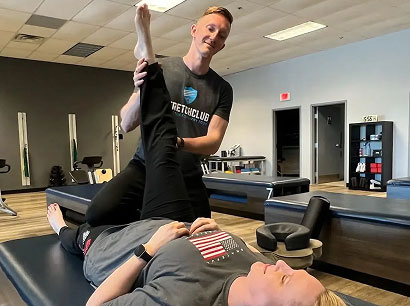
F – Flexibility: Releasing What’s Tight
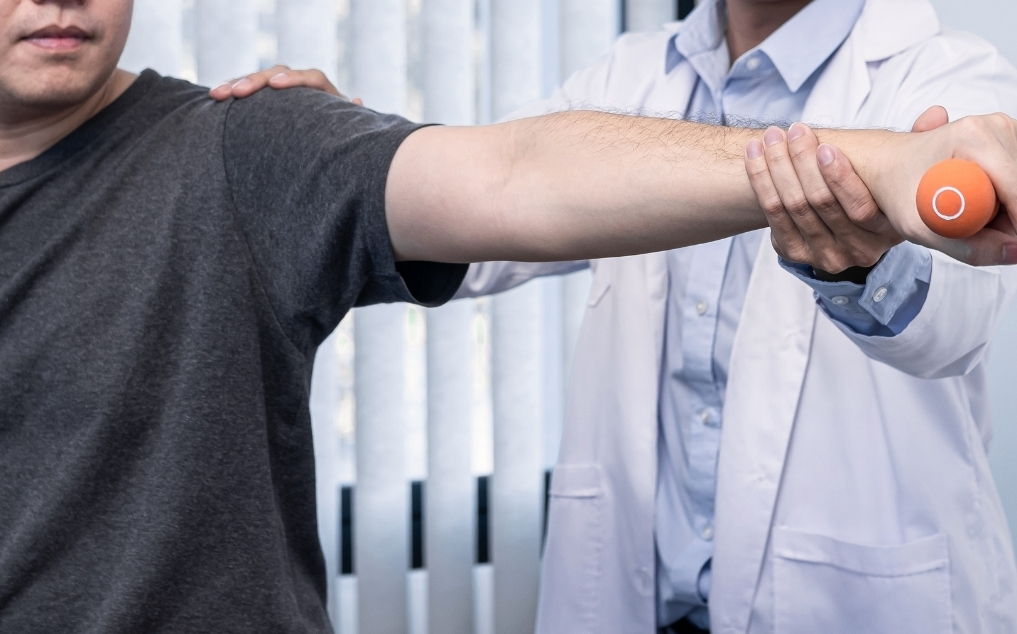
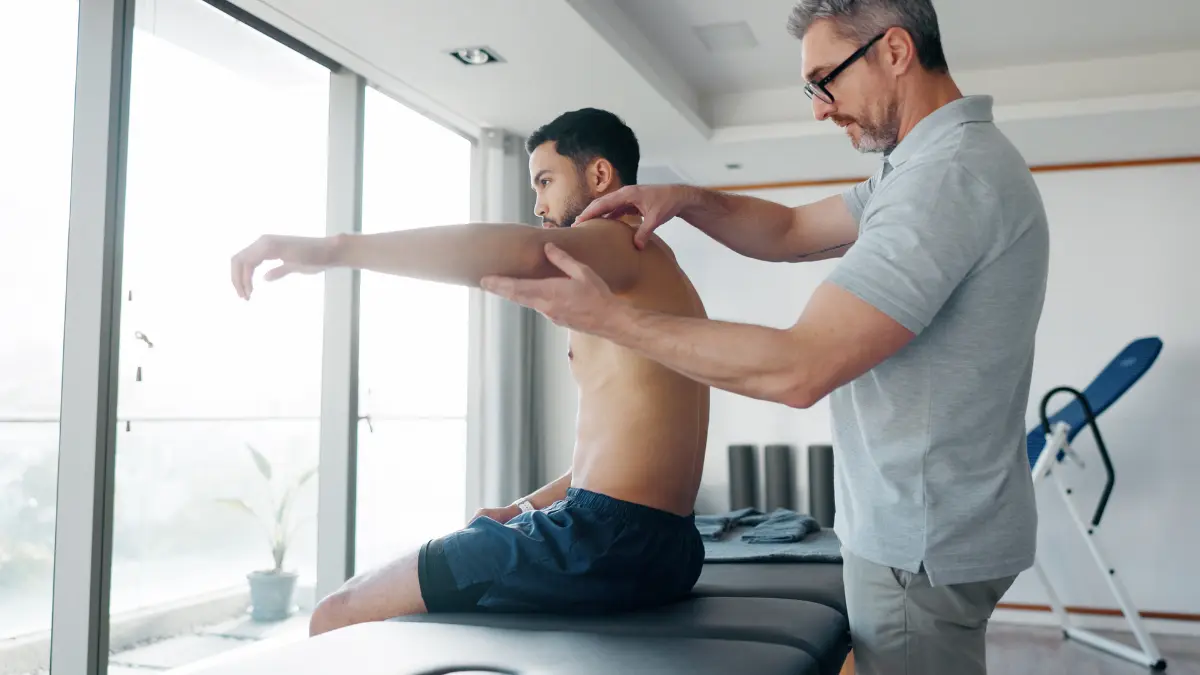
The flexibility component uses assisted stretch therapy targeting specific muscle groups that tighten around scoliotic curves. Unlike self-stretching, where you’re limited by your own flexibility, assisted stretching allows a trained therapist to guide your body into positions that release deep restrictions.
Sessions focus on paraspinal muscles, hip flexors, latissimus dorsi, and intercostals that commonly restrict movement. The therapist controls stretch intensity while monitoring your body’s responses.
A – Alignment: Correcting Spinal Position
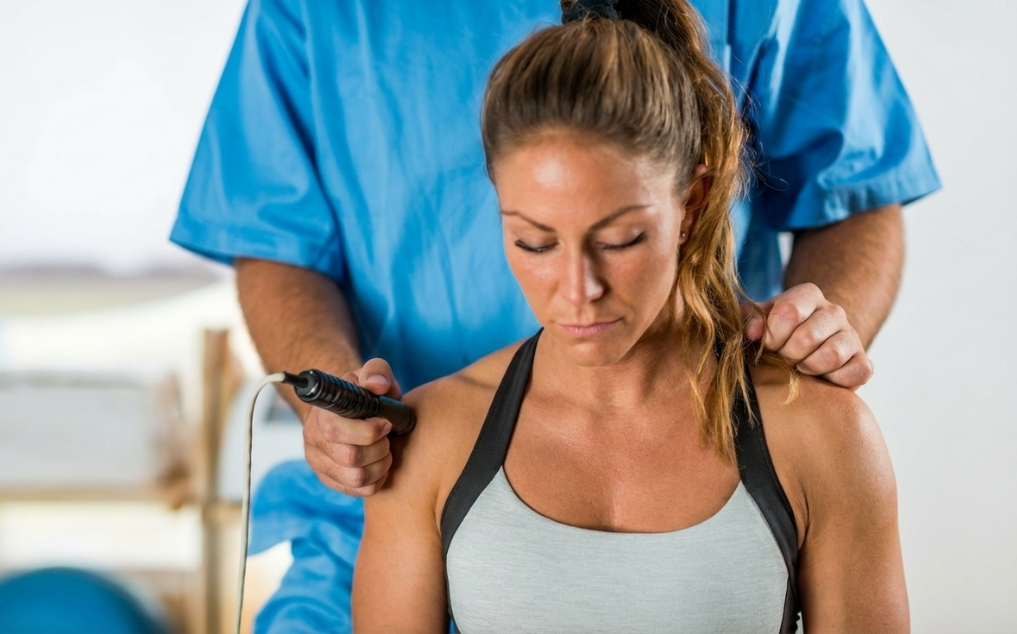
Chiropractic care addresses both the primary scoliotic curve and compensatory misalignments throughout your spine. Gentle adjustments restore motion to restricted segments, reduce nerve irritation, and help your spine function more efficiently.
The approach focuses on the entire spinal pattern—where forces concentrate, which segments compensate, and how to restore optimal function. Combined with flexibility work, alignment improvements often exceed what either approach achieves alone.
S – Strength: Building Supportive Muscles
Strength training targets weakened muscles on the convex side of curves while maintaining flexibility gained through stretching. Core stabilizers, spinal extensors, and scapular muscles receive particular attention.
The protocols emphasize functional patterns—how muscles work together during real movement. You’ll learn to engage your core properly, maintain better posture, and build the endurance necessary for lasting improvements.
T – Team: Coordinated Professional Care
Your stretch therapist, chiropractor, and physical therapy specialist communicate about your progress and coordinate efforts. When one practitioner notices changes—increased restriction, movement pattern shifts, or new symptoms—the entire team adjusts your care.
Regular case reviews ensure everyone understands your goals, tracks progress, and adapts the treatment plan as needs evolve.
Your Path Through Scoliosis Treatment

Beginning with Thorough Evaluation
Treatment starts with a comprehensive assessment exploring how scoliosis affects your daily life. The team wants to know what hurts, what you can’t do that you’d like to, and what you hope to achieve.
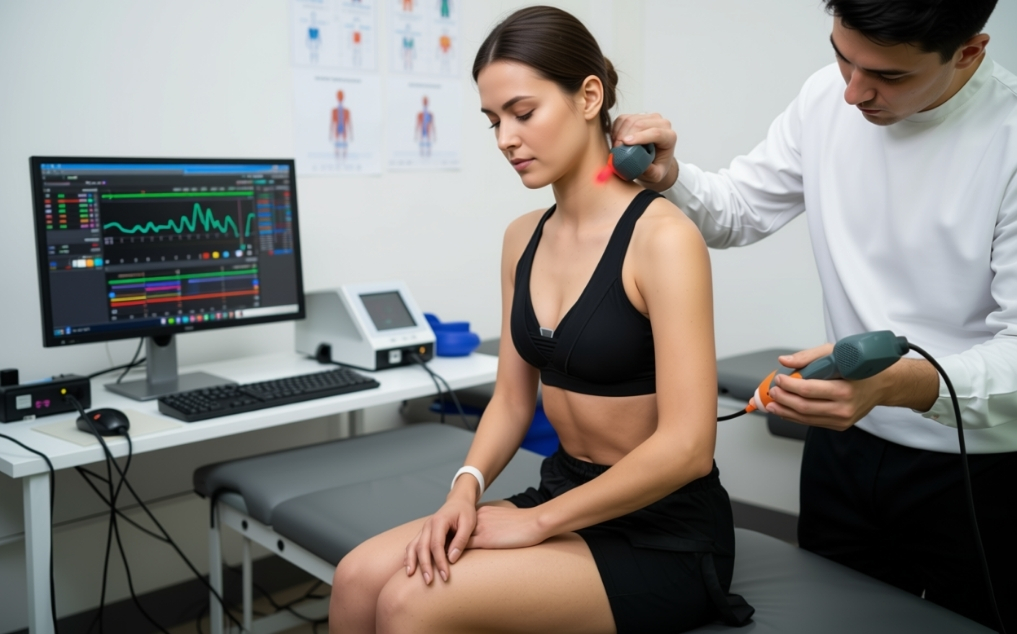
Physical examination includes postural analysis, movement screening, flexibility testing, and strength assessment. X-rays document your curve’s current severity, providing baseline measurements for tracking changes.
Initial Intensive Treatment Phase
Most patients begin with concentrated treatment addressing accumulated tightness, weakness, and misalignment. This typically involves 2-3 assisted stretch sessions monthly, weekly chiropractic visits, and physical therapy 2-3 times weekly for 8-12 weeks.
Many patients notice significant pain reduction and improved function within the first month, with continued gains throughout the intensive period.
Transitioning to Maintenance Care
As your body stabilizes, treatment frequency gradually decreases. You might transition to monthly stretching sessions, periodic chiropractic adjustments, and a home exercise program to maintain strength gains.
Maintenance care prevents regression while addressing any new restrictions before they become significant problems.
Real-World Benefits You’ll Experience
Moving Without Pain or Restriction
Pain relief ranks among the most immediate benefits. As tight muscles release and movement becomes more balanced, chronic aching diminishes significantly. Most patients report meaningful pain reduction within the first month.
Movement becomes easier and more fluid. You might notice you can sit through meetings without constantly shifting, walk longer distances without back fatigue, or participate in activities you’d given up.
Looking and Feeling More Balanced
Postural improvements create visible changes that others notice. Shoulders level out, waist asymmetry becomes less pronounced, and you simply look more balanced and confident.
Beyond appearance, that nagging sense of being twisted diminishes as alignment improves. You develop better posture awareness and find it easier to maintain good positions throughout the day.
Protecting Your Future Spine Health
Perhaps the most important benefit is what you prevent long-term. Addressing muscular imbalances and movement dysfunction now slows the degenerative changes that untreated scoliosis accelerates.
This protective effect proves especially valuable for adolescents whose curves might otherwise progress during the remaining growth years.
Why Yorkville Residents Choose StretchClub
Medical Expertise Behind Every Treatment
StretchClub’s physician-designed protocols ensure every aspect of care rests on solid medical foundations. The treatment approaches are evidence-based methods proven effective for scoliosis management.
The staff’s specialized training means they understand the condition’s complexities and can adapt care to your specific curve pattern and symptoms.
Individual Attention Every Session
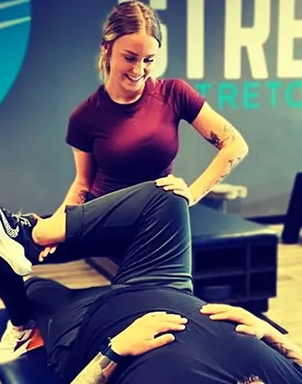
The one-on-one format means every minute focuses exclusively on you. This dedicated focus allows therapists to feel subtle changes, adjust techniques based on real-time feedback, and address areas needing extra attention.
Every aspect remains tailored to your individual needs rather than following rigid protocols applied identically to all patients.
Convenient Yorkville Location
StretchClub’s Yorkville facility at 332 E Veterans Parkway provides easy access with flexible scheduling accommodating work hours, school schedules, and family commitments.
The team works with you to establish a realistic treatment schedule you can actually maintain.
Starting Your Scoliosis Treatment Journey
Taking Advantage of Free Consultation
StretchClub offers complimentary consultations, allowing you to explore treatment options without financial risk. This visit provides an opportunity to meet the team, tour the facility, and learn whether their approach suits your needs.
Come prepared with questions about treatment approaches, expected outcomes, time commitments, and costs.
What Your First Treatment Includes
Your initial visit includes a health history review, a comprehensive examination, a movement assessment, and X-rays if needed. The team explains their findings in understandable terms—what they found, what it means, and how treatment will address it.
Many patients begin treatment the same day with their first assisted stretching session and chiropractic adjustment.
Make a Commitment to Your Spine Health
Successful scoliosis treatment requires consistency over weeks and months as your body gradually relearns balanced movement patterns. The team helps you establish a realistic treatment schedule balancing optimal care frequency with your work, family, and budget constraints—because the best treatment plan is one you can actually follow.
Ready to take control of your scoliosis and start feeling better? Contact StretchClub Yorkville to schedule your free consultation. Don’t let scoliosis continue limiting your life—discover what comprehensive, personalized care can do for you.
Frequently Asked Questions
How quickly will I see results from scoliosis therapy?
Most patients notice reduced discomfort and improved flexibility within 2-4 weeks of consistent treatment. Visible postural changes typically require 8-12 weeks as tissues remodel. Long-term improvements continue to develop over 6-12 months.
Can therapy reduce my scoliosis curve significantly?
While dramatic curve reductions are uncommon, especially in adults, meaningful improvements often occur. More importantly, therapy addresses symptoms and functional limitations—pain, restricted movement, and progressive degeneration.
What if I’ve already had scoliosis surgery?
Post-surgical patients often benefit from therapy that addresses remaining mobile segments above and below the fusion areas. These areas frequently develop restrictions and pain as they compensate for reduced motion.
Is treatment uncomfortable or painful?
The therapies should never cause pain. Assisted stretching creates pulling sensations as tissues release, but intensity remains within comfortable limits. Some temporary soreness may occur initially as your body adapts.
How is this different from physical therapy I might get elsewhere?
StretchClub’s approach integrates three distinct therapies—assisted stretching, chiropractic care, and physical therapy—under coordinated team oversight. The one-on-one assisted stretching provides deeper releases than self-directed programs.
Will my insurance cover scoliosis therapy?
Many insurance plans cover chiropractic care and physical therapy components, though coverage for assisted stretch therapy varies. StretchClub’s team can verify your specific benefits during consultation.
Can scoliosis therapy help my child avoid bracing?
For adolescents with mild to moderate curves, early intervention may prevent progression that would otherwise require bracing. Treatment decisions should involve your child’s orthopedic specialist. Therapy often works well alongside bracing.
What makes the FAST system effective for scoliosis?
The FAST system’s effectiveness comes from addressing all contributing factors simultaneously—tight muscles through flexibility work, spinal misalignment through chiropractic care, weak muscles through strengthening, and coordination through team communication.