
Living with scoliosis means navigating chronic back pain that flares without warning, clothes that fit awkwardly, and constant awareness that your spine isn’t moving properly. Traditional approaches often jump straight to bracing or surgery, leaving those with mild to moderate curves feeling their only options are “wait and watch” or invasive intervention.
StretchClub® in Oswego IL provides scoliosis therapy through their physician-designed FAST system—Flexibility, Alignment, Strength, and Team approach—combining assisted stretch therapy, chiropractic care, and physical therapy. This integrated method addresses the muscular imbalances and spinal misalignments that scoliosis creates, helping patients reduce pain and improve mobility. Discover how gentle therapies working together could transform your relationship with your spine.
Understanding How Scoliosis Affects Your Body
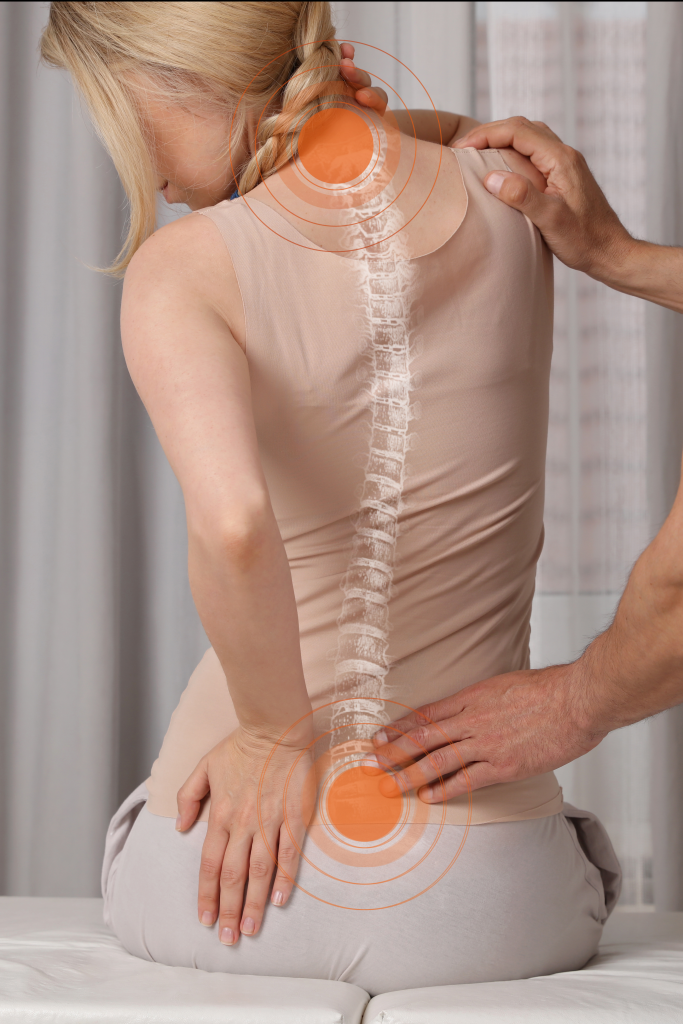
Scoliosis creates an abnormal sideways curvature of the spine, typically forming an S or C shape rather than the spine’s normal straight alignment. This curvature causes muscular imbalances as one side of the back works harder compensating, while the opposite side weakens and tightens. The rotational component—where vertebrae twist as they curve—creates additional complexity affecting rib cage position, shoulder height, and hip alignment.
These structural changes cascade throughout the body, creating secondary problems beyond the visible curve. Tight muscles on the concave side restrict movement and cause pain, while weakened muscles on the convex side fail to provide adequate support. The resulting postural compensations strain joints and create chronic discomfort.
Why Oswego IL Residents Choose Integrated Scoliosis Treatment
The Limitations of Traditional Management
Conventional scoliosis management for curves under 25 degrees typically involves observation with periodic X-rays—essentially waiting to see if the problem worsens. Bracing applies external force, attempting to prevent curve increase, but does nothing to address muscular imbalances. Surgical intervention corrects severe curves but involves significant risks and permanent loss of spinal mobility.
The Comprehensive Therapy Alternative
Gentle scoliosis therapy in Oswego IL addresses the soft tissue components—tight muscles, weak stabilizers, and fascial restrictions—that contribute to curve progression and pain. By combining multiple treatment modalities under one roof, patients receive coordinated care, producing better outcomes than single-approach treatments.
The FAST System: Four Pillars of Scoliosis Care

Flexibility Through Assisted Stretch Therapy
Assisted stretch therapy targets chronically tight muscles that develop on the concave side of spinal curves. One-on-one sessions with trained therapists take your body through stretches impossible to achieve alone, accessing all planes of movement to release deep restrictions. Regular sessions—typically 2-3 times monthly—progressively increase range of motion and reduce the pulling forces that worsen curves.
Alignment Through Chiropractic Care
Chiropractic adjustments address the spinal misalignments that both cause and result from scoliotic curves. Gentle, precise adjustments restore proper motion to restricted vertebral segments while reducing compensatory misalignments throughout the spine. Treatments focus on the entire spinal pattern, addressing the rotational component that creates rib cage asymmetry and shoulder imbalance.
Strength Through Physical Therapy
Physical therapy strengthens the weakened muscles on the convex side of scoliotic curves while maintaining flexibility gains. Targeted exercises focus on core stabilizers, spinal extensors, and postural muscles, providing the dynamic support your spine needs. Strengthening protocols emphasize muscle balance—addressing the imbalances contributing to curve progression rather than simply making strong muscles stronger.
Team Approach for Coordinated Results
Therapists, chiropractors, doctors, and exercise support staff communicate regularly about your progress, adjusting treatments based on how your body responds. Regular consultations review progress through objective measures—changes in curve angles, improvements in posture, increases in range of motion, and reductions in pain. This integrated approach produces outcomes that single-modality treatments rarely achieve.
What Your Treatment Journey Looks Like
Starting with a Comprehensive Assessment
Your scoliosis therapy journey begins with a complimentary consultation, during which we review your health history, current symptoms, and wellness goals. The extensive consultation identifies all problem areas—not just obvious pain, but restrictions and imbalances you may not have connected to your scoliosis.
A full spinal examination follows, potentially including X-rays to document your curve’s severity and pattern. The team reviews results with you in detail, explaining what’s happening and creating a personalized treatment plan.
Understanding Treatment Frequency and Timeline
Most scoliosis patients begin with intensive treatment: 2-3 assisted stretch sessions monthly, combined with weekly chiropractic adjustments and physical therapy 2-3 times weekly. This intensive phase typically lasts 8-12 weeks, establishing the flexibility, alignment, and strength foundation necessary for lasting improvement.
After the intensive phase, treatment frequency gradually reduces as your body maintains improvements independently. Maintenance typically involves monthly assisted stretching with periodic chiropractic adjustments and a home exercise program.
How Progress Gets Measured
Progress tracking uses both objective measurements and subjective improvements in how you feel. Periodic X-rays document changes in curve angles, while posture photos show visible changes in shoulder height and hip level.
More immediately, you’ll notice functional improvements: reduced pain during daily activities, easier movement, better posture awareness, and increased confidence. These quality-of-life improvements often matter more than X-ray measurements.
Benefits That Extend Beyond Your Spine

Relief from Chronic Pain
Chronic pain often drives scoliosis patients to seek treatment. The combination of assisted stretching, chiropractic care, and strengthening addresses pain from multiple angles. Most patients report noticeable pain reduction within the first month.
The pain relief extends beyond the back itself. Scoliosis-related headaches decrease as neck alignment improves. Hip and leg discomfort diminishes as pelvic alignment becomes more balanced. Even breathing often improves as the rib cage position normalizes.
Better Posture and Movement Patterns
Scoliosis creates postural habits as your body compensates for the curve. Therapy retrains these patterns through increased awareness and improved muscular control.
This improved body awareness extends into all activities. Athletes find their performance improves as movement becomes more balanced. Office workers maintain comfortable positions longer. The postural improvements often create visible changes others notice.
Long-Term Health Protection
Untreated scoliosis accelerates spinal degeneration as uneven forces wear joints asymmetrically. Scoliosis therapy addresses these forces early, potentially slowing or preventing degenerative changes that make scoliosis increasingly problematic with age.
The strengthening and flexibility improvements also protect against injuries. Better core stability prevents back strains and spasms. These protective benefits compound over years.
Why StretchClub Stands Out for Scoliosis Treatment
Physician-Led Expertise
StretchClub’s physician-led team brings medical expertise to every treatment plan. The protocols are evidence-based approaches designed specifically for scoliosis management, ensuring treatments remain safe while maximizing effectiveness.
Personalized One-on-One Care
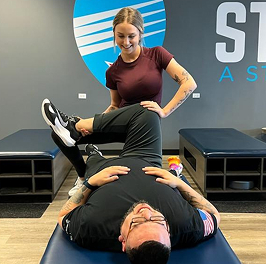
Every assisted stretch session provides full one-on-one attention—no therapist juggling multiple patients. This dedicated focus allows therapists to feel subtle changes, adjust techniques based on immediate feedback, and address areas needing extra attention.
The personalized approach extends to all treatment components. Chiropractic adjustments target your specific misalignments while physical therapy progresses at your pace.
Convenient Oswego Access
StretchClub’s Oswego location provides convenient access with flexible scheduling, accommodating work schedules and family obligations. The team understands that consistency drives results, so they work with you to establish a realistic treatment schedule you can maintain long-term.
Ready to Begin Your Scoliosis Treatment?
Schedule Your Free Consultation
StretchClub offers a free consultation, providing the perfect starting point for exploring whether their approach suits your needs. This no-pressure visit allows you to meet the team, discuss your concerns, and learn about treatment options without financial commitment.
During the consultation, you’ll review your health history, including previous treatments, current symptoms, and what you hope to accomplish. The team explains how their FAST system addresses scoliosis while answering all questions.
What to Bring to Your First Visit
Wear comfortable clothing allowing easy movement—athletic wear or loose-fitting clothes work well. Bring any previous X-rays, MRI reports, or medical records documenting your scoliosis if available.
Prepare questions about treatment approaches, expected timelines, costs, and how therapy fits into your schedule. The team welcomes thorough questions.
Take the Next Step Today
Contact StretchClub today to book a free consultation or visit stretchclub.com to learn more. Don’t let scoliosis continue limiting your life—discover how gentle, comprehensive therapy can reduce pain and improve function.
Frequently Asked Questions
How long does scoliosis therapy take to show results?
Most patients notice reduced pain and improved flexibility within 2-4 weeks of consistent treatment. Measurable changes in posture and curve angles typically require 8-12 weeks of regular sessions. Long-term improvements continue developing over 6-12 months with maintenance care.
Can scoliosis therapy straighten my spine completely?
Complete curve correction is unrealistic for most patients, especially adults with longstanding curves. However, therapy can reduce curve progression, improve spinal flexibility, decrease pain significantly, and enhance overall posture. The goal focuses on functional improvement rather than achieving perfectly straight X-rays.
Is scoliosis therapy painful?
The treatments themselves should never be painful—assisted stretching creates pulling sensations but remains within comfortable limits. Some temporary muscle soreness may occur initially as your body adapts.
Will I need treatment forever?
Intensive treatment typically lasts 8-12 weeks, transitioning to maintenance care afterward. Maintenance usually involves monthly assisted stretching with periodic chiropractic adjustments. Some patients eventually discontinue professional treatment once they’ve achieved their goals.
Does insurance cover scoliosis therapy?
Coverage varies by plan—chiropractic care and physical therapy often receive at least partial coverage, while assisted stretch therapy may not be covered. StretchClub’s team can verify your benefits during your free consultation.
Can children and teenagers benefit from scoliosis therapy?
Absolutely. Adolescents often respond exceptionally well to conservative treatment as their bodies are still growing and more adaptable. Early intervention during growth years can prevent curve progression that would otherwise require bracing or surgery.
What makes StretchClub’s approach different from other treatments?
StretchClub’s physician-designed FAST system integrates multiple therapies—assisted stretching, chiropractic care, and physical therapy—addressing scoliosis comprehensively. The one-on-one attention and team approach coordinating all care, create outcomes that isolated treatments rarely achieve.
How often will I need appointments?
Initial intensive treatment typically requires 2-3 assisted stretch sessions monthly, weekly chiropractic adjustments, and physical therapy 2-3 times weekly. After 8-12 weeks, frequency gradually reduces to maintenance levels—usually monthly stretching with periodic adjustments.