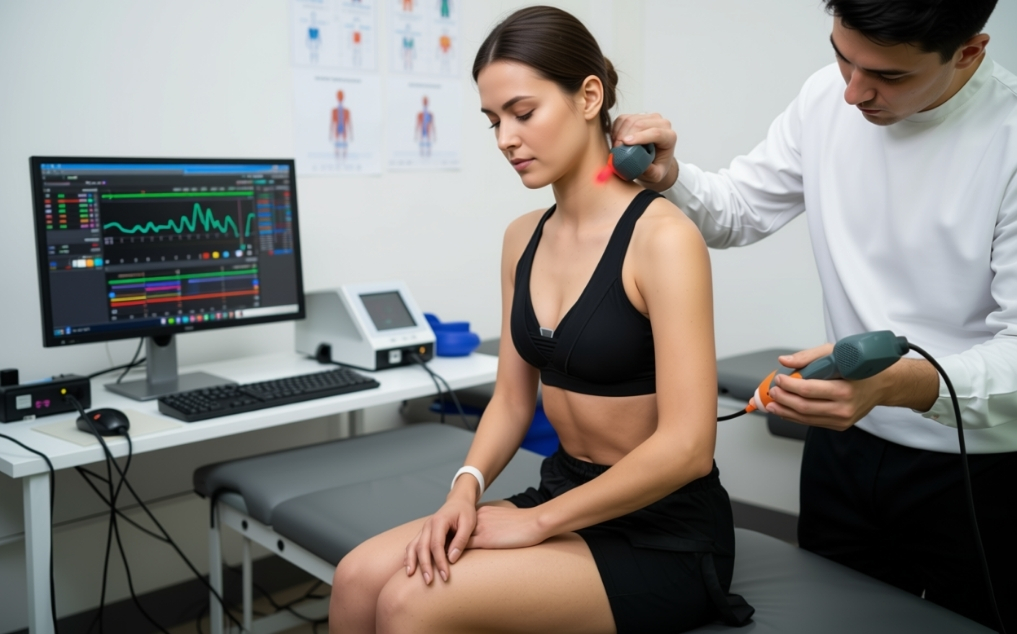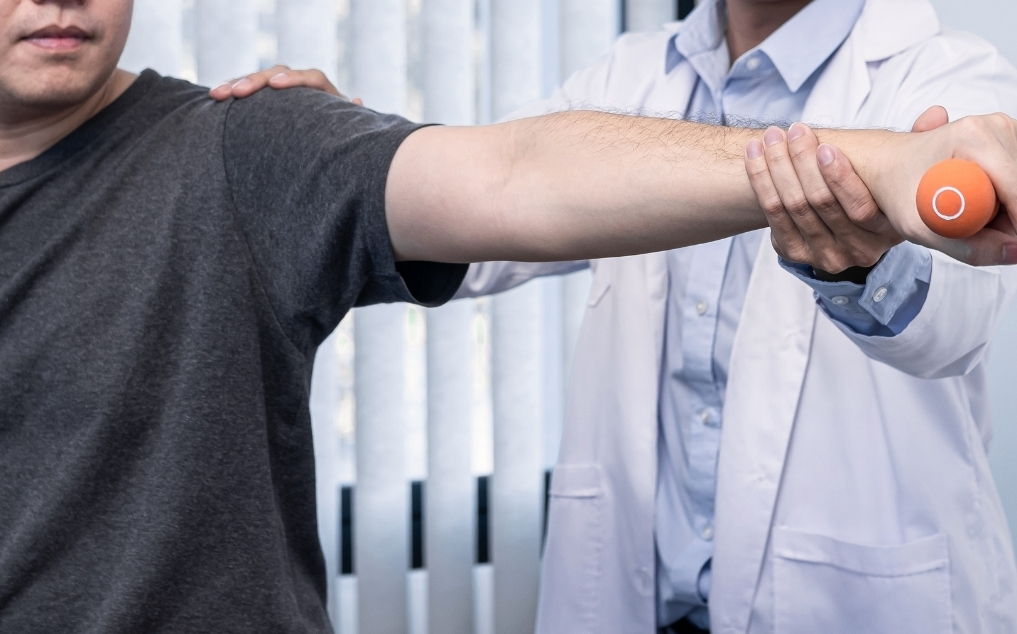
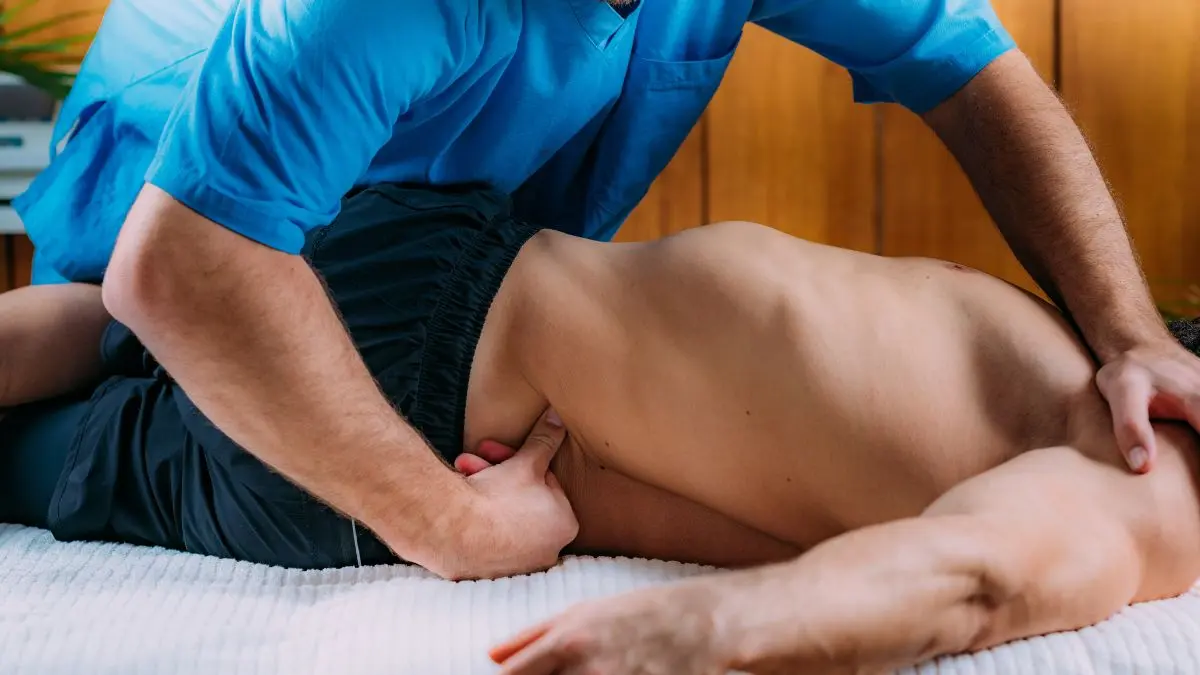
Lower back pain disrupts everything. Simple tasks like tying your shoes become calculated maneuvers. Sitting through meetings requires constant position adjustments. Playing with your kids means choosing between participation and days of regret afterward. The constant discomfort colors every decision, every movement, every moment—transforming what should be automatic into exhausting deliberation.
StretchClub® Yorkville specializes in lower back physical therapy that targets the root causes of pain rather than offering short-term relief. The integrated FAST system brings together physical therapy, assisted stretching, and chiropractic care to create genuine recovery—restoring full function and eliminating the movement restrictions that have been holding you back.
Understanding Lower Back Pain: More Than Just Symptoms
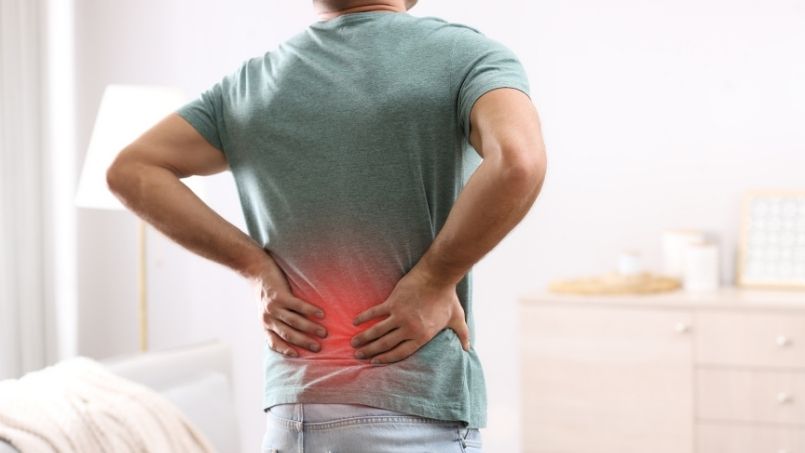
The Complex Nature of Lumbar Dysfunction
Lower back pain rarely stems from a single isolated problem. Most cases involve multiple contributing factors: muscular weakness allowing poor postural control, flexibility restrictions limiting proper movement mechanics, alignment issues creating uneven stress distribution, and compensation patterns developed to avoid discomfort that paradoxically worsen the underlying dysfunction.
This complexity explains why isolated treatments frequently disappoint. Addressing only muscle tension ignores the weak core, allowing poor posture. Fixing alignment without developing flexibility creates rigid structures prone to re-injury.
Common Causes and Risk Factors
Sedentary lifestyles weaken the core muscles supporting your spine, while prolonged sitting shortens hip flexors and tightens hamstrings. Poor lifting mechanics place excessive load on lumbar structures. Previous injuries heal imperfectly, leaving compensatory movement patterns that overload other tissues.
Understanding your specific pain drivers allows targeted intervention rather than generic treatment protocols that may miss critical factors perpetuating your symptoms.
The StretchClub FAST System for Lower Back Recovery
Integrated Treatment Philosophy
The FAST system—Flexibility, Alignment, Strength, and Team approach—revolutionizes lower back physical therapy by treating your spine within the context of whole-body function. Each component addresses specific dysfunction while supporting the others for comprehensive recovery.
This physician-designed methodology recognizes that sustainable lower back health requires balanced intervention across multiple systems. Flexibility work without strength development leaves you vulnerable. Alignment corrections without flexibility improvements can’t hold.
How Each Component Addresses Back Pain
Flexibility: Tight hip flexors pull your pelvis into anterior tilt, increasing lumbar curve and overloading lower back structures. Restricted hamstrings force excessive lumbar flexion during forward bending. Professional stretching releases these restrictions, allowing proper mechanics.
Alignment: Vertebral misalignments create uneven loading across spinal segments while nerve compression generates radiating pain. Chiropractic corrections restore proper positioning, relieving pressure and eliminating pain sources.
Strength: Weak core muscles fail to stabilize your spine during movement, allowing excessive motion and strain. Targeted strengthening provides the muscular support, preventing re-injury.
Team Approach: Physical therapists, chiropractors, and stretch specialists collaborate on your case, ensuring all dysfunction aspects receive appropriate attention.
Comprehensive Physical Therapy Services
Manual Therapy Techniques
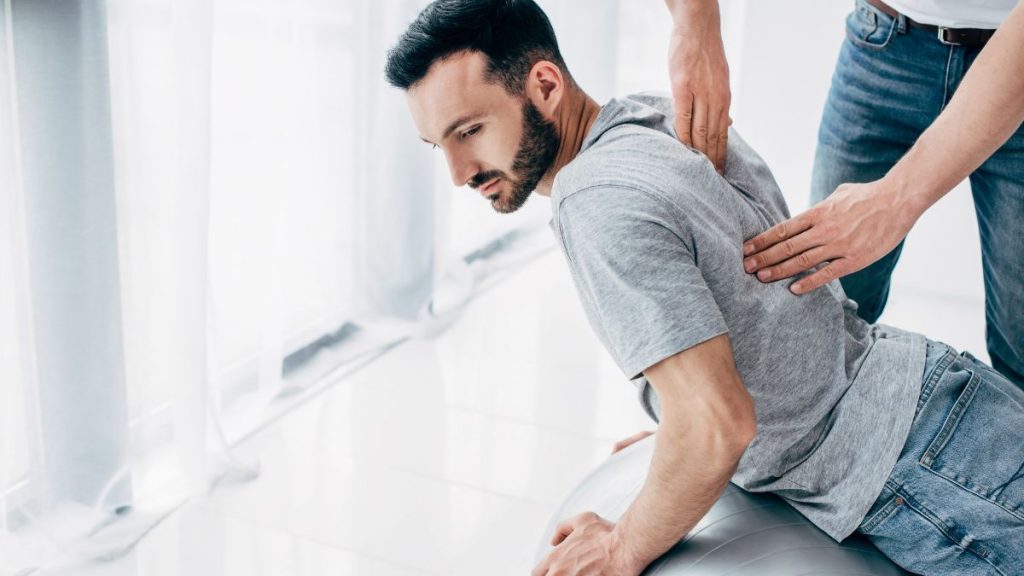
Physical therapists employ hands-on interventions, releasing muscular tension and improving tissue mobility. Soft tissue mobilization breaks up adhesions, restricting movement. Joint mobilization restores proper articulation mechanics. Trigger point therapy eliminates localized pain sources, referring discomfort throughout your lower back region.
Therapeutic Exercise Programming
Corrective exercises form the foundation of sustainable recovery. Your physical therapist designs progression-based programs developing:
- Core stability through targeted abdominal and back exercises
- Hip strength eliminating compensatory patterns
- Postural endurance supporting proper positioning throughout daily activities
- Functional movement patterns transferring gains into real-world improvement
- Flexibility maintenance preserving gains between professional sessions
Pain Management Modalities
Physical therapy incorporates various modalities managing pain and accelerating healing, including heat therapy, cold therapy, electrical stimulation, and ultrasound therapy. These modalities complement manual therapy and exercise, creating comprehensive treatment addressing pain from multiple angles.
Assisted Stretching for Lower Back Relief
Professional Techniques Beyond Self-Stretching
Your nervous system prevents effective self-stretching of chronically tight lower back muscles. Protective reflexes trigger contraction when sensing excessive lengthening, limiting how deeply you can release tension independently.
Professional assisted stretching bypasses these limitations. Specialists apply external force while you focus on relaxation and breathing, achieving tissue release impossible through solo efforts.
Targeted Areas for Back Pain
Lower back recovery requires addressing regions beyond the painful area itself. Hip flexor stretching reduces anterior pelvic tilt. Hamstring lengthening prevents excessive lumbar flexion. Piriformis release eliminates sciatic nerve compression. Thoracic spine mobilization improves upper back flexibility.
Chiropractic Care for Structural Issues
Spinal Adjustments and Corrections
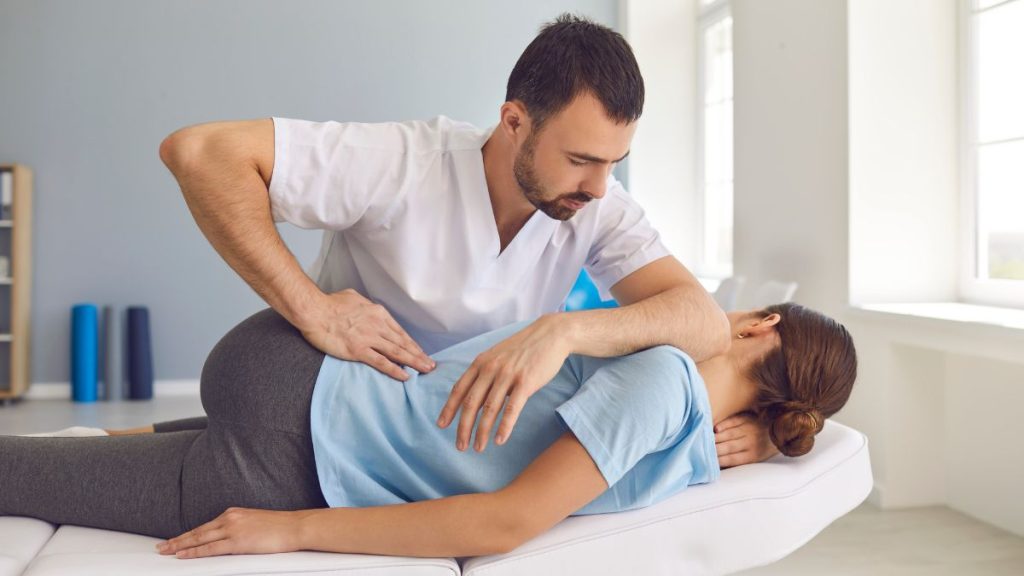
Dr. Alyssa Holum provides precise spinal manipulations, restoring proper vertebral alignment. These adjustments eliminate mechanical stress on spinal joints while relieving nerve compression that generates radiating pain or numbness.
Postural Assessment and Correction
Beyond acute adjustments, chiropractic care addresses postural patterns perpetuating dysfunction. Detailed analysis identifies how you hold yourself during sitting, standing, and movement—revealing habits creating ongoing stress despite treatment.
Conditions Successfully Treated
Acute and Chronic Back Pain
Recent injuries from lifting mishaps or awkward movements respond quickly to integrated treatment. Chronic pain persisting for months or years requires more extensive intervention but frequently resolves after failing other treatment approaches.
Disc-Related Issues
Bulging or herniated discs causing localized pain or radiating symptoms improve through strategic decompression, core strengthening, and careful progression. Many patients avoid surgical intervention through conservative integrated treatment.
Sciatica and Nerve Pain
Sciatic nerve compression generates leg pain, numbness, or tingling that conservative treatment effectively resolves. Hip flexor release, piriformis stretching, and spinal decompression address common compression sites.
Postural Dysfunction Syndromes
Prolonged sitting creates predictable dysfunction patterns: weakened glutes, tight hip flexors, poor core control, and excessive lumbar curve. Comprehensive treatment reverses these adaptations.
What to Expect During Treatment
Initial Evaluation Process
Your first visit includes an extensive discussion about your pain patterns—when symptoms started, what aggravates or relieves them, and how they impact daily activities. Physical examination follows, testing how you move, where restrictions exist, and what specific interventions your body requires.
Treatment Session Structure
Sessions are usually short but frequent, and may include manual therapy releasing tissue restrictions, assisted stretching improving flexibility, therapeutic exercises developing strength and control, and modality application managing pain.
Expected Recovery Timeline
Some clients experience substantial relief after just a few sessions. Most cases require 6-12 weeks of consistent treatment for significant lasting improvement, though you’ll notice progressive gains throughout this period.
Who Benefits from Integrated Lower Back Therapy
Office professionals spending hours daily in chairs develop predictable dysfunction that integrated treatment reverses. Manual laborers and tradespeople managing physical job demands prevent injury while recovering from acute flare-ups. Athletes optimize performance while addressing training-related strain.
Anyone experiencing lower back limitations—whether constant pain, intermittent flare-ups, or general stiffness—benefits from professional evaluation and treatment.
Supporting Your Recovery at Home
Self-Care Between Sessions
Your therapist provides home exercise and stretching protocols maintaining gains between professional visits. These routines prove crucial for lasting recovery but remain secondary to professional treatment.
Lifestyle Modifications
Ergonomic workspace adjustments reduce postural stress. Proper lifting technique prevents re-injury. Activity modifications during acute phases allow healing. Sleep position optimization eliminates nighttime strain.
Taking the First Step Toward Relief
Lower back pain doesn’t improve through wishful thinking or periodic self-care attempts. Professional intervention addressing all dysfunction sources provides the pathway to genuine recovery and restored function.
Ready to reclaim pain-free movement? Contact StretchClub Yorkville at (630) 882-9695 to schedule your evaluation and begin your recovery journey today.
Frequently Asked Questions
How does integrated physical therapy differ from standard PT?
Standard physical therapy typically focuses primarily on therapeutic exercise and manual therapy. Integrated therapy combines physical therapy with chiropractic care and professional stretching, addressing structural alignment, deep tissue restrictions, and functional strengthening simultaneously.
Will I need surgery for my lower back pain?
Most lower back pain responds to conservative treatment, avoiding surgical intervention entirely. Even many disc herniations improve through appropriate physical therapy, stretching, and chiropractic care. Surgery becomes necessary only when conservative treatment fails or specific conditions require immediate intervention—situations far less common than many patients initially fear. The integrated approach often resolves cases that isolated treatments couldn’t address.
How soon after injury should I start physical therapy?
Begin as soon as possible after an acute injury. Early intervention prevents compensatory patterns from developing while reducing inflammation and promoting proper healing. Even severe injuries benefit from gentle early treatment—complete rest often delays recovery compared to appropriate therapeutic movement. Waiting too long allows dysfunction to become established, making treatment more difficult and lengthy.
Can physical therapy help if I’ve had back pain for years?
Absolutely. Chronic pain frequently persists because previous treatments addressed only some contributing factors. The FAST system’s comprehensive approach often succeeds where other methods failed by simultaneously correcting all dysfunction sources—flexibility restrictions, alignment issues, and strength imbalances. Many clients find relief after years of unsuccessful treatment attempts elsewhere once all factors receive appropriate attention.
What’s the difference between physical therapy and chiropractic care?
Physical therapy primarily addresses soft tissue dysfunction, movement patterns, and muscular strength through exercise and manual therapy. Chiropractic care focuses on spinal alignment and joint function through adjustments and mobilization. Neither alone provides complete treatment—integration creates superior outcomes by addressing both structural positioning and functional capacity. Combined, they resolve complex cases that single-discipline approaches cannot.
How long are treatment sessions?
Sessions are typically short, allowing time for comprehensive treatment, including manual therapy, assisted stretching, therapeutic exercise, and any necessary modalities. Initial evaluations require additional time for thorough assessment and treatment planning beyond the standard session length.
Do I need a referral from my doctor?
Illinois allows direct access to physical therapy without a physician referral for most conditions. However, insurance coverage requirements vary—contact your provider to confirm whether a referral is necessary for reimbursement under your specific plan. Many insurance policies cover physical therapy with or without referral, but verification prevents billing surprises.
What should I bring to my first appointment?
Wear comfortable clothing allowing easy movement—athletic wear works well. Bring any relevant medical records, imaging results, or previous treatment documentation that helps your therapist understand your history. List any medications you’re taking and previous treatments attempted, as this information guides your personalized treatment plan development.