Injuries create a vulnerable window. In the weeks and months after trauma—whether from sports, work, accidents, or falls—tissues are healing, and your nervous system is in protective mode. How you rehabilitate during this period often determines whether you fully recover or develop chronic problems. Conventional approaches like rest, ice, medication, and generic physical therapy may offer temporary relief but often leave you weaker and more prone to re-injury.
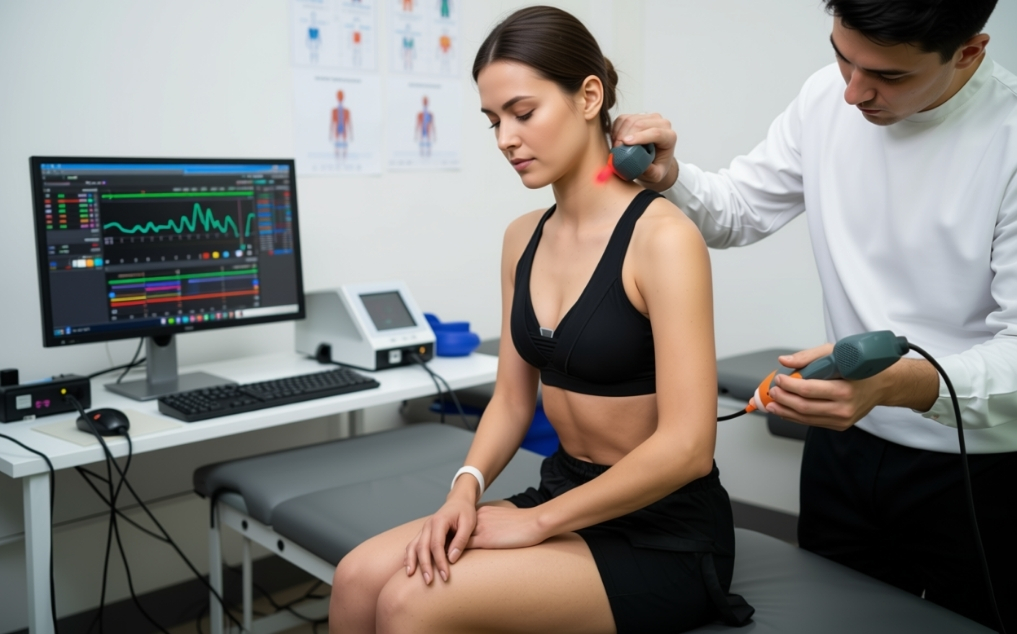
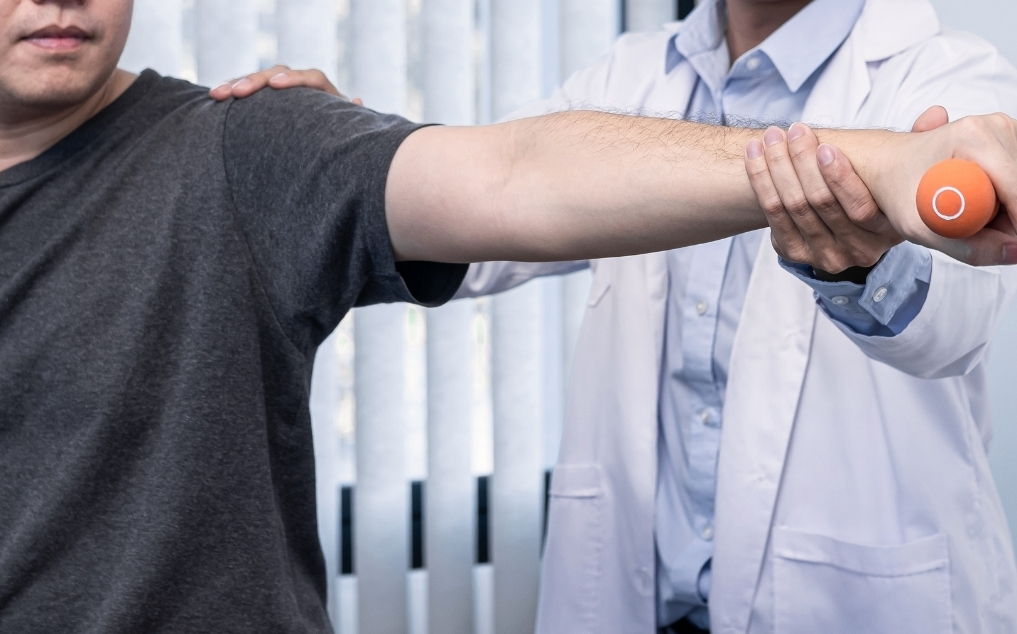
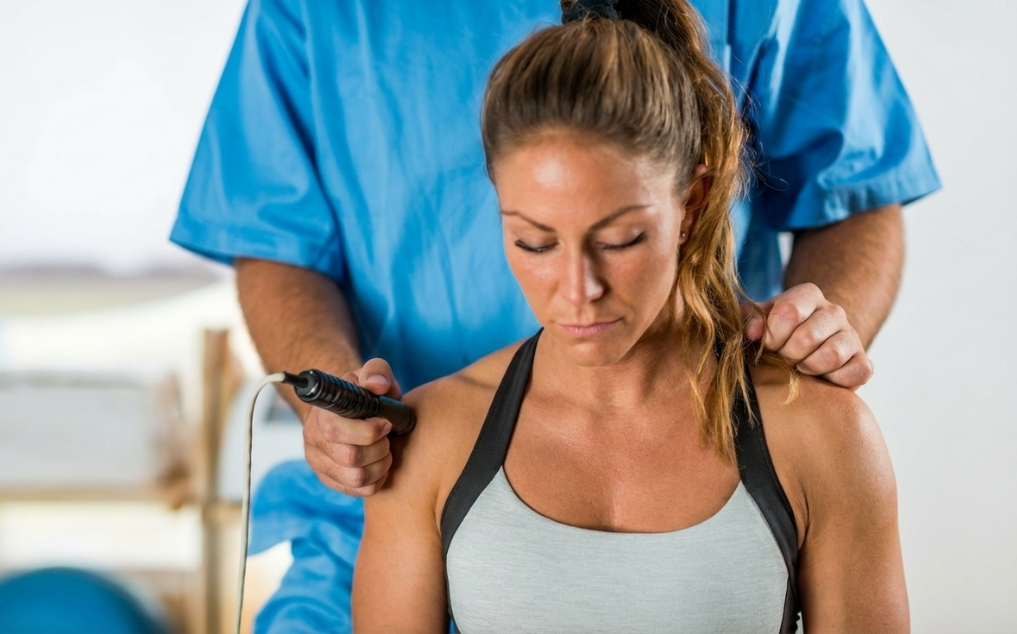
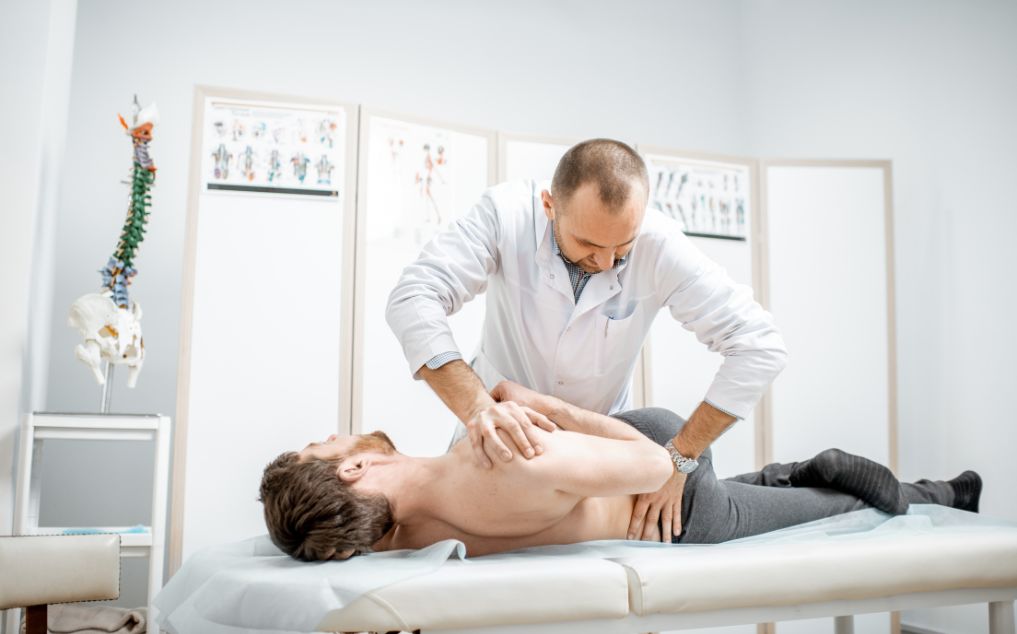
At StretchClub® in Naperville, our specialized programs combine PNF techniques with dynamic partner-assisted stretching to restore mobility, rebuild strength, and retrain movement patterns. By addressing the root causes of injury—movement dysfunctions, muscle imbalances, and compensations—you don’t just recover; you come back stronger and more resilient.
The Injury Recovery Window: Why Early Intervention Matters
Your body’s response to injury follows a predictable timeline. In the acute phase—the first few days—inflammation and muscle guarding stabilize the injury and prevent further damage. This is protective and necessary. But if these responses persist, muscles remain tight, movement becomes restricted, and temporary compensations turn into permanent patterns.
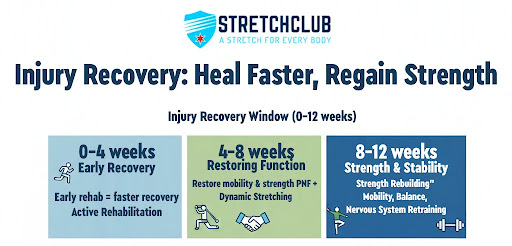
The first 6–12 weeks post-injury—the recovery window—offers the greatest opportunity for effective intervention. Early rehabilitation that eases protective muscle guarding, restores mobility, and prevents maladaptive patterns leads to far better long-term outcomes. Most chronic post-injury problems result from waiting too long to begin active rehab.
Why Rest-Based Protocols Often Backfire
Conventional injury wisdom emphasizes rest and immobilization. While brief rest helps manage acute inflammation, extended rest actually impairs recovery.
Your muscles weaken from disuse, your joints become stiffer, and your nervous system remains stuck in protective mode. When you finally return to activity, you’re weaker and more vulnerable than before the injury.
This is why many people re-injure themselves after seemingly recovering. They completed rest-based protocols, but their muscles are weaker, their movement patterns are unchanged, and their nervous system hasn’t been retrained to move safely.
Effective injury rehabilitation requires active movement guided by trained professionals, not just rest followed by hope that you’ll naturally correct your movement.
Injury Assessment: Understanding Your Specific Recovery Needs
Effective injury healing starts with a thorough assessment. We examine not just the injured area but your entire body—mobility, strength, activation patterns, movement quality, and compensation strategies. This approach uncovers not only what is injured but why it happened.
Many injuries stem from underlying movement dysfunction. A hamstring strain may result from hip tightness and weak glutes, a rotator cuff injury from scapular dyskinesis and thoracic restriction, and a knee injury from poor core and hip control. Treating only the injury without correcting these dysfunctions increases the risk of re-injury.
Dynamic Stretching for Rapid Mobility Restoration
Injured tissues develop protective tension that limits mobility. Your nervous system tightens muscles around the injury to prevent further damage. While protective at first, prolonged tension causes stiffness and functional limitation. Dynamic partner-assisted stretching releases this tension more effectively than passive rest or generic stretching.
Under professional guidance, your nervous system learns that controlled movement is safe. Protective guarding decreases, mobility improves, and you regain functional movement. Many patients notice significant gains within 1–2 weeks because the tension is truly released—not just managed.
Addressing Secondary Restrictions
Injuries create secondary restrictions throughout your body. If you injure your shoulder, your neck becomes stiff from protective tension. If you injure your knee, your hip and ankle become restricted from compensation. If you injure your lower back, your entire kinetic chain becomes guarded. Comprehensive injury rehabilitation addresses these secondary restrictions, restoring your entire movement system rather than focusing narrowly on the injury site.
Strength Rebuilding: Progressive Loading and Neuromuscular Activation
Regaining strength after injury requires more than generic exercises. Your muscles need progressive loading that respects your healing stage while systematically challenging them to rebuild. Your nervous system needs retraining to activate muscles efficiently. Your movement patterns need to be corrected so you don’t rebuild strength in maladaptive patterns.
Personalized strength-rebuilding programs progress as your injury heals. We start with activation and movement quality work, progress to controlled loading, then advance to functional and sport-specific training. Throughout this progression, we ensure your movement patterns are correct, your nervous system is properly recruiting muscles, and your entire kinetic chain is functioning efficiently.
PNF Techniques for Accelerated Neuromuscular Recovery
Proprioceptive Neuromuscular Facilitation (PNF) is highly effective for injury recovery because it targets both muscles and the nervous system. PNF stimulates proprioceptors and mechanoreceptors—sensors that tell your brain about muscle and joint position—through precise movement patterns, retraining how your nervous system controls injured and surrounding muscles.
This neurological retraining accelerates recovery by teaching efficient movement strategies rather than reinforcing protective patterns. Research shows PNF leads to faster strength gains, improved movement quality, and more complete functional restoration. With PNF, you’re not just healing tissues—you’re optimizing nervous system control.
Functional and Proprioceptive Outcomes: Beyond Simple Strength
PNF doesn’t just rebuild strength—it restores proprioception, balance, and functional movement control. Your proprioceptive system is your body’s awareness of itself in space. Injury damages this system, which is why injured athletes often report feeling “unstable” even after tissues heal. They’ve regained strength but lost proprioceptive control.
Research on ACL reconstruction rehabilitation demonstrates that comprehensive rehabilitation addressing proprioceptive control produces superior return-to-sport outcomes compared to strength-only rehabilitation.
Athletes who received proprioceptive and balance training alongside strength rebuilding showed better movement quality, fewer compensation patterns, and significantly lower re-injury rates. This illustrates a critical principle: true functional recovery requires proprioceptive retraining, not just muscle strengthening.
Restoring Balance, Control, and Movement Confidence
PNF techniques specifically target proprioceptive restoration by stimulating mechanoreceptors and proprioceptors throughout your movement. Your nervous system relearns your body’s position in space, reestablishes confident movement control, and regains the balance and stability that injury disrupted. This is why patients completing PNF-based rehabilitation report not just strength, but genuine movement confidence and functional control.
Preventing Re-Injury: Understanding What Caused Your Injury
Most injuries recur because the underlying dysfunction was never addressed. A hamstring strain may return if hip and glute weakness persists; a shoulder injury can recur without proper scapular control. Comprehensive rehabilitation identifies and corrects these root causes, so you don’t just recover—you come back stronger and more resilient.
Unlike standard rehab that treats only the injured tissue, our approach strengthens the entire kinetic chain and retrains the nervous system for safer, more efficient movement, improving long-term resilience.
Returning to Sport and Full Activity
Your injury recovery isn’t complete until you can return to your sport, your job, or your desired activities without pain or fear of re-injury. Dr. Macek’s rehabilitation includes sport-specific or activity-specific training that progressively challenges your recovered tissues and movement patterns in ways that simulate your return-to-activity demands. This gradual progression builds confidence and ensures you can handle real-world demands when you return.
Injury Insurance and Coverage Coordination
Injuries are often covered by health insurance or workers’ compensation. StretchClub Naperville accepts most commercial health insurance plans, including Blue Cross Blue Shield PPO and others. We work directly with your insurance to coordinate coverage for injury rehabilitation, handling paperwork so you can focus on recovery.
Your Path to Faster Healing and Renewed Strength
Injury recovery doesn’t have to be slow or uncertain. With professional guidance that addresses both healing and movement dysfunction, you can recover faster, more completely, and with greater resilience. StretchClub in Naperville specializes in rehabilitation for all types of tissue injuries.
Start with a free consultation to assess your injury, identify underlying dysfunctions, and learn how our comprehensive approach accelerates healing and restores strength. Call (630) 922-6500 or book your free injury assessment online today.
FAQs
How soon after an injury should I start rehabilitation—isn’t rest important?
Brief rest (24-48 hours) helps manage acute inflammation, but extended rest actually impairs recovery. Active rehabilitation should begin as soon as acute inflammation is managed, typically within days of your injury. Early movement-based rehabilitation prevents protective patterns from becoming permanent and significantly accelerates healing.
What’s the difference between letting an injury heal naturally versus professional rehabilitation?
Natural healing often leaves you with weakness, stiffness, and persistent movement dysfunction. Professional rehabilitation systematically addresses these issues, rebuilding strength, restoring mobility, and correcting movement patterns. While tissues might heal on their own, you’ll recover faster and more completely with guided rehabilitation.
Can professional injury rehabilitation prevent re-injury?
Yes. Re-injury typically occurs when underlying movement dysfunction or muscle imbalance—what caused the first injury—is never addressed. Comprehensive rehabilitation identifies and corrects these root causes, so you don’t just recover, you come back stronger and more resistant to re-injury.
How do I know if my injury needs surgery, or if rehabilitation will resolve it?
This is what your initial assessment determines. Most injuries respond well to professional rehabilitation without requiring surgery. Surgery is typically reserved for severe structural damage or neurological symptoms. We’ll thoroughly assess your injury and provide a realistic prognosis based on what we find.
What if my injury is old—is it too late to rehabilitate it?
No. Even old injuries often involve lingering weakness, stiffness, and movement dysfunction that can be addressed through professional rehabilitation. We’ve helped many patients recover function from injuries months or years old. The longer you’ve had the injury, the longer rehabilitation typically takes, but improvement is still possible.
How long does injury rehabilitation typically take?
Timeline varies by injury severity and type. Minor injuries might show substantial improvement in 4-6 weeks. More significant injuries typically require 8-12 weeks for substantial recovery. Dr. Macek will provide a specific timeline after your assessment based on your injury and healing stage.
Can I do injury rehabilitation while continuing to work or participate in other activities?
Yes. Our rehabilitation is progressively challenging—early phases can be done while resting the injury, while later phases involve a gradual return to activity. We adjust intensity and demands based on your healing and return-to-activity timeline, allowing you to resume work and activities gradually and safely.
What if I’ve had multiple rounds of physical therapy without improvement—why would your approach be different?
Previous therapy might have treated your injured tissue without addressing underlying movement dysfunction or compensation patterns. Our comprehensive assessment looks at your entire body and identifies root causes that generic protocols miss. Many patients see improvement with personalized rehabilitation after generic therapy failed.