

Lower back pain has become a constant companion—a dull ache in the morning, sharp twinges when you bend, and stiffness after sitting too long. You’ve tried medication, heat, and stretching videos, but the pain always returns. Daily life shrinks as you avoid movements and develop new aches from compensating.
StretchClub® in Naperville IL takes a different approach with doctor-designed programs that target the root causes—not just the symptoms. By combining chiropractic adjustments, partner-assisted stretching, and strengthening, this method corrects muscle tightness, misalignment, and instability for lasting relief from both acute and chronic pain.
Why Your Lower Back Pain Keeps Coming Back

Lower back pain rarely appears overnight—it’s the result of accumulated imbalances your body has compensated for over time. Tight hip flexors from sitting can tilt the pelvis forward, weak core muscles may allow excess spinal motion, and poor lifting habits can cause repeated strain.
At first, the body adapts—muscles tighten, posture shifts, and movement patterns adjust—but these fixes are temporary. Over time, they lead to muscle tension, joint wear, disk stress, and nerve irritation. Pain is often the final signal that the body’s ability to compensate has run out.
The Root Causes Behind Common Lower Back Pain
Muscular Dysfunction and Imbalance
Lower back pain often comes from tight or weak muscles. Tight hip flexors tilt the pelvis forward, increasing lumbar strain, while weak glutes fail to stabilize the pelvis. Tight hamstrings limit hip mobility, forcing the spine to bend excessively.
Deep muscles like the quadratus lumborum and multifidus can develop chronic tension or lose stabilizing ability, increasing re-injury risk. Targeted stretching and strengthening address these specific issues more effectively than generic exercises.
Spinal Misalignment and Joint Restriction
Restricted spinal joints create compensatory stress in adjacent segments, causing pain and instability even if the original restriction is symptom-free. Sacroiliac dysfunction can cause back, buttock, or leg pain, while facet joint restrictions limit movement and create stiffness. Chiropractic adjustments restore motion and correct the muscular and stability issues that caused the restrictions.
How StretchClub’s Integrated Approach Creates Lasting Relief
Precise Chiropractic Adjustments
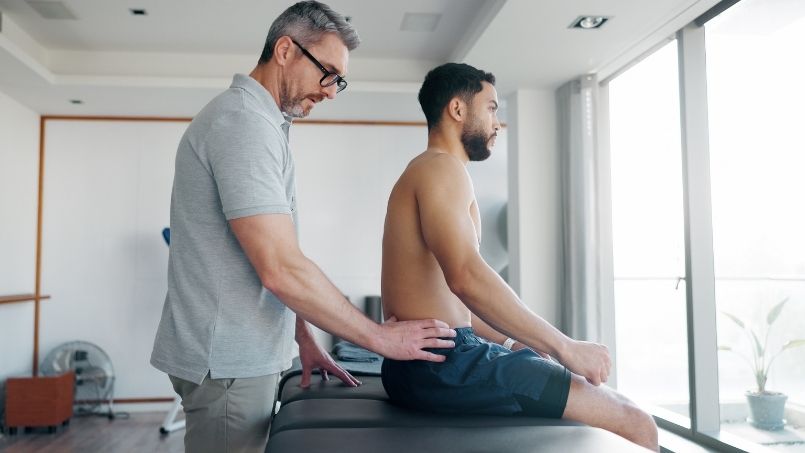
Chiropractic care at StretchClub targets spinal segments that move improperly and their effects on surrounding structures. Dr. Mark Glynn uses specific adjustments to restore joint motion, improve nerve function, reduce muscle guarding, and rebalance movement throughout the lower back.
This approach considers your entire spinal pattern—including mid-back stiffness, pelvic position, and hip mobility—rather than focusing only on painful segments, providing more lasting results.
Doctor-Designed Stretch Programs

One-on-one sessions release chronic muscle tightness contributing to back pain. Using PNF and dynamic partner-assisted stretching, muscles like the hip flexors, hamstrings, piriformis, psoas, quadratus lumborum, and intrinsic back muscles are targeted to improve pelvic positioning, mobility, and spinal mechanics. Most patients notice increased flexibility and reduced muscle-related pain within 2–4 weeks.
Strategic Core Strengthening
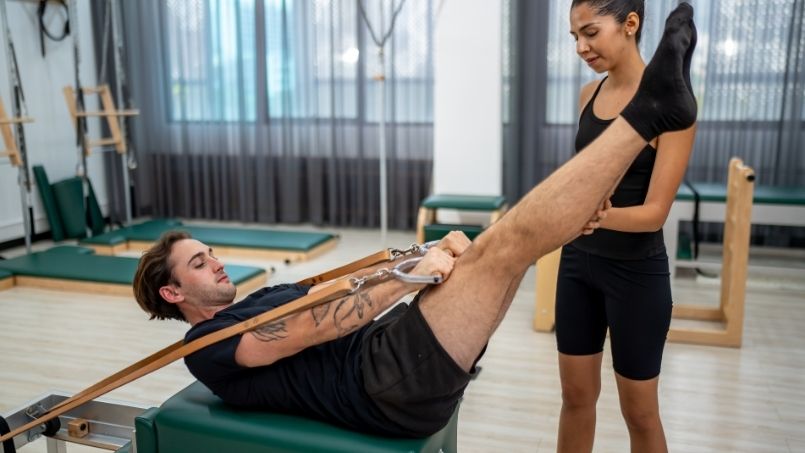
Athletic trainers guide progressive core strengthening to stabilize the lower back and prevent excessive motion that stresses structures. Early exercises focus on muscle activation and motor control, progressing to functional movements with proper bracing, neutral spine alignment, and breathing patterns for real-world stability and long-term protection.
Coordinated Team Approach
Your chiropractor, stretching sessions, and athletic training work together, with progress monitored and treatment adjusted as needed. Flexibility, stability, and pain management are addressed in a coordinated way, ensuring all components reinforce each other for better, lasting outcomes.
Conditions Successfully Treated Through Integrated Care
The comprehensive approach effectively addresses various lower back pain presentations:
- Mechanical lower back pain from poor posture, repetitive strain, or acute injury responding to alignment corrections and muscle balancing
- Disc bulges and early herniations improving through decompression, core strengthening, and movement retraining
- Facet joint syndrome resolving as restricted joints mobilize and surrounding muscles balance
- Sacroiliac joint dysfunction correcting through specific adjustments, targeted stretching, and stability work
- Muscle strain and spasm releasing through partner-assisted stretching and proper biomechanics restoration
- Sciatica from muscular compression resolving as tight piriformis and hip muscles release nerve pathways
- Chronic lower back pain from years of dysfunction improving as root causes finally get addressed systematically
The integrated method treats not just symptoms but the underlying patterns creating and perpetuating your lower back pain.
What to Expect During Your Treatment Journey
Comprehensive Initial Evaluation
Your first visit assesses movement patterns, restrictions, and compensations. The evaluation includes posture analysis, range of motion testing, muscle balance assessment, and pain pattern review to understand triggers and relief.
A personalized plan outlines your treatments, frequency, and expected outcomes. Most patients start with several sessions per week for 2–4 weeks, tapering as acute symptoms improve and strengthening becomes the focus.
Progressive Treatment Structure
Early sessions reduce pain and inflammation with gentle chiropractic adjustments, targeted stretching, and proper movement training. Middle sessions address deeper restrictions, advance strengthening, and refine movement habits. Later sessions maintain gains, build stability, and teach home care for long-term results.
Each session builds on the last, with progress tracked to celebrate improvements and focus on areas needing extra attention.
Who Benefits Most from Chiropractic Lower Back Pain Treatment
- Office Workers: Relieve chronic tension from desk work as postural restrictions release and proper alignment is restored.
- Manual Laborers: Improve biomechanics and stability, reducing the risk of re-injury from repetitive strain.
Athletes: Address lower back issues while staying active, avoiding time on the sidelines. - Parents: Learn better movement patterns to protect their backs during daily bending, lifting, and carrying.
- Older Adults: Maintain function and independence by addressing stiffness before it becomes limiting.
In short, anyone with lower back pain—whether acute, chronic, mild, or severe—can benefit from comprehensive care that targets root causes rather than just masking symptoms.
Insurance Coverage and Payment Options
Most commercial health insurance plans are accepted at StretchClub, including Blue Cross Blue Shield PPO coverage for chiropractic services. During your initial consultation, the team reviews your insurance benefits and explains any out-of-pocket expenses, so you’ll have complete cost clarity before beginning care.
Auto accident injury cases are also welcomed, with StretchClub coordinating directly with auto insurance providers to ensure coverage for your treatment. The administrative staff manages all insurance documentation and claim communications, freeing you to concentrate on recovery instead of paperwork. Though Medicare and Medicaid cannot be accepted, multiple payment arrangements are available for patients using alternative insurance or self-pay options.
Begin Relief at StretchClub Naperville

StretchClub’s doctor-designed programs have helped countless lower back pain sufferers find lasting relief after other treatments failed. Dr. Mark Glynn’s expertise ensures you receive safe, effective care tailored to your specific pain pattern and lifestyle needs.
Don’t let lower back pain continue limiting your activities, affecting your sleep, or diminishing your quality of life. Contact StretchClub Naperville today to schedule your free consultation. Located at 1960 Springbrook Square Dr #104, call (630) 922-6500, email info@stretchclub.com, or visit stretchclub.com to book online. Experience how integrated care combining precise chiropractic adjustments, targeted stretching, and strategic strengthening creates lasting relief rather than temporary improvements that fade between treatments.
Frequently Asked Questions
How is chiropractic care for lower back pain different from massage or physical therapy alone?
Chiropractic adjustments restore joint motion and nerve function that massage or exercise alone cannot. StretchClub combines chiropractic corrections with partner-assisted stretching and strengthening, addressing structural alignment, muscle restrictions, and stability deficits for better outcomes than single-modality care.
How quickly will I notice improvement?
Many patients notice relief after the first few sessions as inflammation decreases and restrictions release. Significant improvement typically occurs within 2–4 weeks, with complete resolution in 6–12 weeks. Chronic pain present for years may require longer treatment as ingrained compensatory patterns gradually correct.
Is chiropractic treatment safe?
Yes, when performed by trained professionals using appropriate techniques. Dr. Glynn’s extensive training ensures treatment uses safe, effective methods for your specific condition. The approach emphasizes gentle, precise adjustments rather than aggressive manipulation. The integrated method reduces risks further by releasing tight muscles before adjusting joints, allowing gentler techniques that achieve better results.
What if my pain is caused by a herniated disc?
StretchClub treats many herniated discs through gentle decompression, stretching, and core strengthening, supporting natural healing and addressing contributing factors. If surgical consultation is needed—progressive neurological deficits or unrelenting pain—the team provides appropriate referral.
Can I continue exercising during treatment?
Activity depends on your condition and symptoms. The team guides which exercises to continue, modify, or avoid. Staying active generally promotes better outcomes, with a gradual return to full activity as pain improves.
Will I need treatment forever?
Initial treatment addresses the dysfunction causing your pain. Many patients choose periodic maintenance to preserve improvements, while others maintain results through home care. Frequency depends on your condition, goals, and response to treatment.
Why does lower back pain return?
Pain returns when underlying causes persist—poor posture, improper lifting, or discontinuing core exercises. Maintenance care and home exercises prevent recurrence by preserving flexibility and stability.
How does stress affect lower back pain?
Stress causes chronic muscle tension, trigger points, restricted movement, and increased pain sensitivity. StretchClub addresses this through stretching, adjustments, and teaching breathing and body awareness techniques to reduce stress’s physical impact on the back.