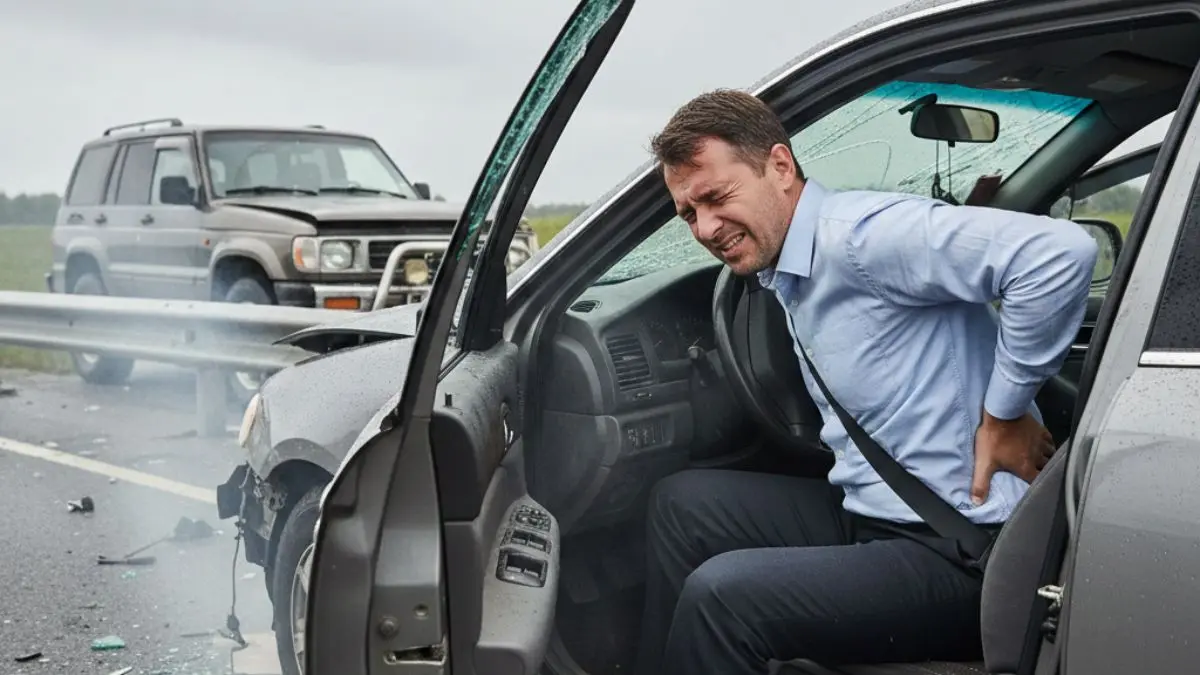
Auto accident back pain isn’t always immediate. You might feel fine for days or weeks, then develop stiffness, discomfort, and pain. This delayed response occurs because trauma causes muscle guarding—your nervous system tightens protective muscles, limiting movement. Over time, this tension can lead to chronic pain, restricted mobility, and movement dysfunction.
If you’re seeking relief in Yorkville, Dr. Alyssa Holum and Dr. Michael Scardina at StretchClub® offer a different approach. Our doctor-designed programs use PNF techniques and dynamic partner-assisted stretching to release tension, restore mobility, and retrain movement patterns for true healing.
How Auto Accidents Create Back Pain Patterns
Auto accident trauma creates a specific injury pattern that differs from everyday lower back pain. The impact forces your spine into unnatural positions, stretching and straining muscles, ligaments, and nerves. Even low-speed collisions generate significant forces—research shows that rear-impact collisions as low as 5 mph can cause meaningful tissue damage.
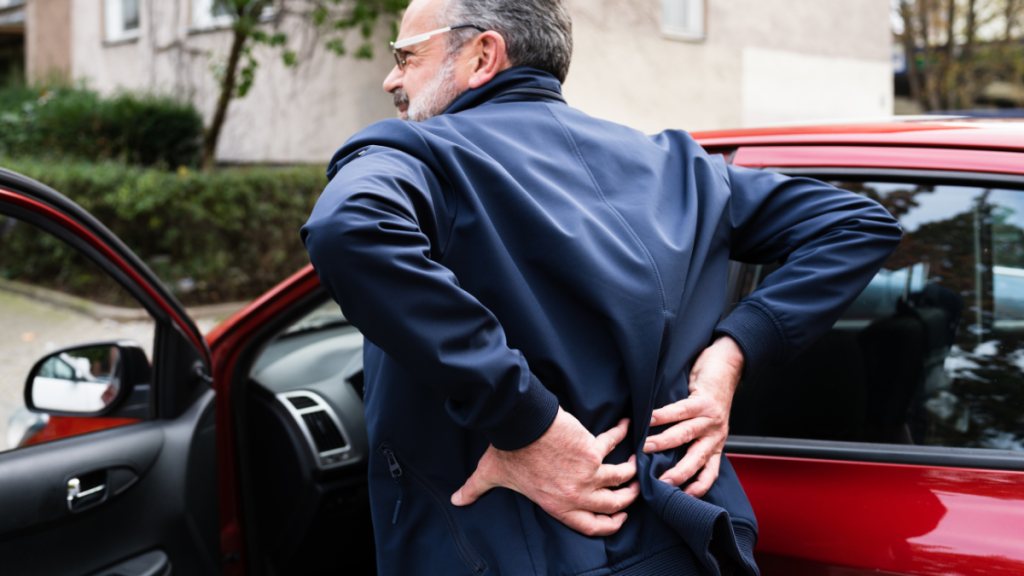
Your nervous system immediately responds to this trauma by activating protective muscle guarding. Muscles around your neck, shoulders, upper back, and lower back contract and tighten to limit movement and protect injured tissues. This is a healthy, protective response in the short term—immobilization allows tissue healing. But if this protective tension persists beyond the acute healing phase, it becomes chronic pain and movement restriction.
Why Standard Post-Accident Treatment Often Fails
Most post-accident care focuses on managing acute inflammation through rest, ice, and pain medication. While these help in the first few days, they don’t address the underlying muscle guarding and movement dysfunction that develops. Once acute inflammation resolves, you’re left with chronically tight muscles, reduced range of motion, and movement compensation patterns—exactly the conditions that create long-term pain.
Many people complete traditional physical therapy after an accident and still experience lingering stiffness and pain. The issue is that generic protocols don’t address the specific muscle tension patterns created by accident trauma. You need therapy designed for post-accident recovery, not just generic back treatment.
The Stretch Therapy Advantage for Auto Accident Recovery
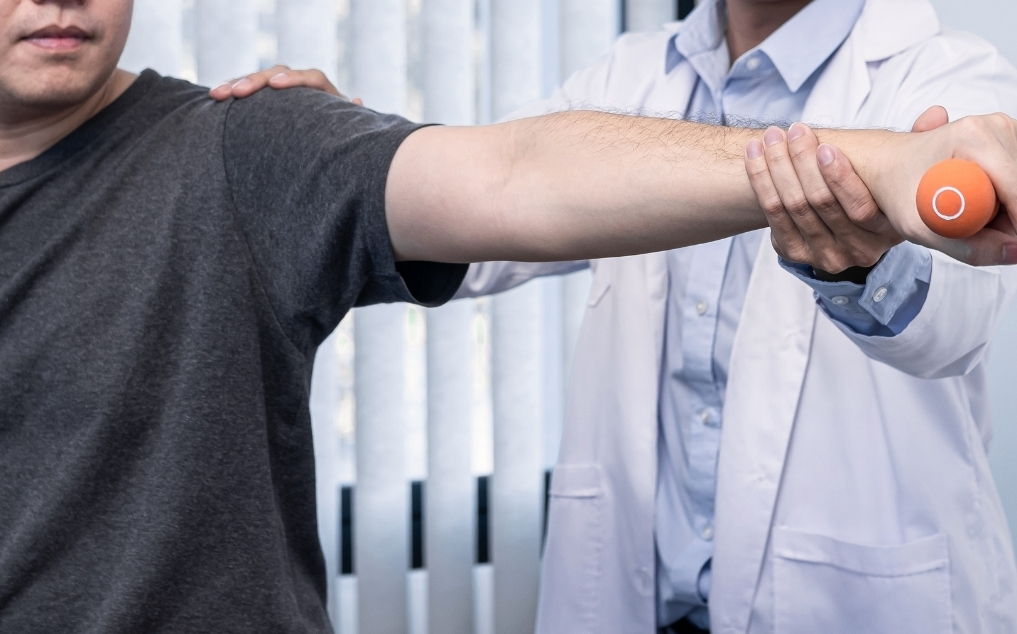
Stretch therapy—particularly dynamic partner-assisted stretching—is uniquely effective for auto accident back pain because it directly addresses muscle guarding and protective tension. When trained professionals actively guide your muscles through movement, your nervous system experiences genuine release and retraining rather than the surface-level relief of passive stretching or self-directed exercises.
Dr. Holum and Dr. Scardina begin your post-accident recovery with a thorough assessment of your injury patterns. We evaluate where your protective muscle guarding is most significant, identify movement restrictions, and assess your spinal alignment. From this assessment, we design a personalized stretch therapy program targeting your specific trauma patterns.
Direct Release of Protective Muscle Tension
The protective muscles contracted by accident trauma hold tension patterns that self-directed stretching rarely releases. When Dr. Holum or Dr. Scardina uses dynamic partner-assisted stretching on your tight upper trapezius, restricted cervical spine, guarded thoracic muscles, or tense lumbar region, your nervous system experiences real release. Your muscles, under professional guidance, learn to relax their protective grip on your spine.
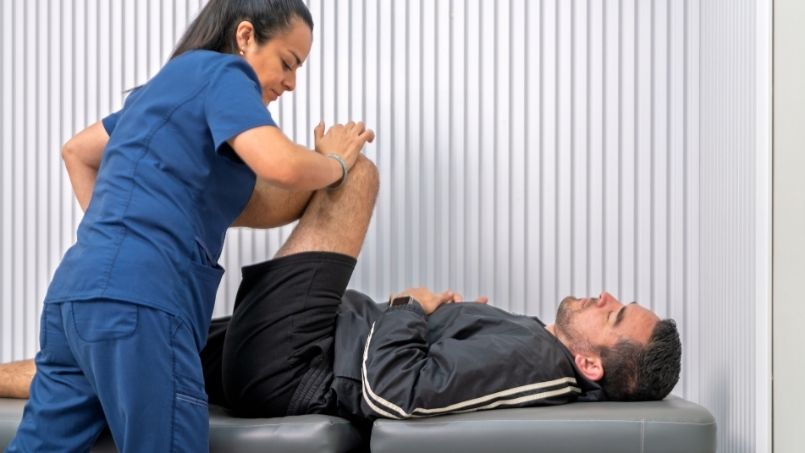
This is dramatically different from doing stretches at home. Professional stretch therapy creates neurological changes—your nervous system recognizes that movement is safe, and protective guarding decreases. Many patients report significant comfort improvements after just a few sessions because the protective tension that’s been limiting their mobility is finally being genuinely released.
Movement Retraining After Accident Trauma
Beyond releasing muscle tension, your nervous system needs retraining after accident trauma. You’ve learned protective movement patterns—favoring your uninjured side, limiting certain motions, and holding tension in your shoulders. These compensation patterns become ingrained. Even after tissues heal, your body continues moving in protective ways, perpetuating pain and dysfunction.
Stretch therapy combined with targeted movement retraining addresses this relearning process. Dr. Holum and Dr. Scardina guide you through proper movement patterns, teaching your nervous system that full range of motion is safe. Through hands-on feedback and repeated, guided movement practice, your body gradually releases protective patterns and reestablishes normal movement quality.
Risk of Chronic Pain After Severe Accidents
Long-Term Pain Prevalence
Long-term research shows that 44% of severely injured motor vehicle accident survivors still reported pain three years after their crash. PubMed This striking rate underscores how common chronic pain can be following major accidents — and how it often persists long after the initial injuries heal.
Psychological Drivers of Chronic Pain
Psychological symptoms are strong predictors of who develops long-term pain. In particular, PTSD, anxiety, and depression in the months following a crash are significantly associated with chronic pain outcomes. Research suggests a mutual maintenance effect: ongoing stress symptoms can amplify pain intensity, while persistent pain reinforces psychological distress.
Why a Thoughtful, Long-Term Recovery Plan Matters
These findings support the importance of a long-term, holistic recovery strategy — not just “quick fixes.” Since nearly half of seriously injured survivors continue to experience pain years later, recovery must address both the emotional trauma and the physical tension that develop after an accident. This is exactly why a structured approach — like stretch therapy, neuromuscular retraining, and hands‑on, movement-based care — is so crucial for lasting healing.
Read the full 3‑year follow-up study → Development of chronic pain following severe accidental injury
PNF Techniques for Accelerated Post-Accident Healing
Proprioceptive neuromuscular facilitation (PNF) is a specialized technique particularly effective for post-accident recovery. PNF uses specific movement patterns and timing to enhance neuromuscular function and accelerate nervous system retraining. When applied to accident trauma, PNF techniques help your nervous system reprogram its protective responses more efficiently than standard stretching alone.
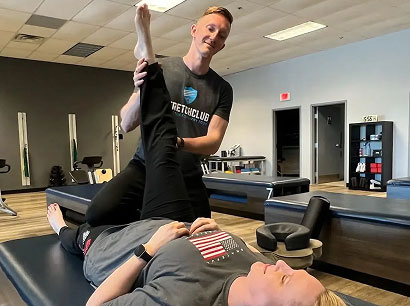
Dr. Holum and Dr. Scardina incorporate PNF into your stretch therapy program, particularly for areas with significant trauma or stubborn movement restrictions. This combination—dynamic partner-assisted stretching plus PNF—produces faster recovery and more complete restoration of function than either approach alone.
Insurance Coverage and Accident Claim Coordination
Auto accident injuries are covered by your auto insurance, and StretchClub Yorkville handles the coordination directly. We work with your insurance company to ensure your stretch therapy and rehabilitation are covered, and we manage all the paperwork so you can focus on recovery instead of navigating claims.
We also accept most commercial health insurance plans, including Blue Cross Blue Shield PPO and others, providing you with flexible coverage options depending on your specific situation.
Progressive Recovery: What to Expect
Your post-accident recovery follows a logical progression. In the initial phase, we focus on releasing acute protective tension and restoring basic mobility through stretch therapy. As your protective guarding decreases, we progress to more active movement retraining and stability work. Finally, we work on return-to-function exercises ensuring you can resume your normal activities without pain or limitation.
Most patients notice significant improvement within 2-3 weeks as protective muscle tension decreases. More substantial functional recovery typically takes 6-10 weeks of consistent stretch therapy and movement retraining. Dr. Holum and Dr. Scardina will provide a realistic timeline after your initial assessment based on your specific accident injury.
Getting Back to Normal: Your Path Forward
Auto accident back pain doesn’t have to become chronic. When addressed properly with stretch therapy designed for accident trauma, your body can truly heal and return to normal function. Dr. Alyssa Holum and Dr. Michael Scardina in Yorkville have extensive experience with accident recovery and are ready to guide your healing.
Your first step is a free consultation where we’ll assess your accident-related injuries, identify your specific muscle guarding and movement restrictions, and explain exactly how stretch therapy will help you recover. We’ll coordinate with your insurance so you understand your coverage, and we’ll answer all your questions about what recovery looks like.
Ready to move beyond auto accident back pain? Book your free stretch therapy consultation, call (630) 882-9695, or email info@stretchclub.com. Your path to full recovery starts now.
FAQs
How long after an auto accident should I start stretch therapy?
As soon as you experience pain or movement restriction, even if it develops days or weeks after the accident. Waiting allows protective muscle patterns to become more ingrained. Starting stretch therapy early prevents acute injury from becoming chronic pain, though therapy can help even months or years after an accident.
Will insurance cover stretch therapy for auto accident injuries?
Yes. Auto accident injuries are covered by your auto insurance, and we coordinate directly with insurers. Coverage depends on your policy and the severity of your injury, but most accident-related care is covered. We’ll verify your coverage and handle all insurance coordination for you.
Is stretch therapy safe after a car accident, or should I wait for swelling to go down?
Stretch therapy is specifically designed for post-accident recovery and can begin as soon as you experience symptoms. Initial acute swelling typically resolves in the first few days, but protective muscle tension can persist for weeks or months if untreated. Professional stretch therapy accelerates healing once acute inflammation is managed.
What’s the difference between stretch therapy and physical therapy for auto accidents?
Physical therapy typically emphasizes strengthening and exercise. Stretch therapy focuses on releasing protective muscle tension and restoring mobility. Both are valuable—Dr. Holum and Dr. Scardina combine both approaches, starting with stretch therapy to release tension and restore movement quality, then progressing to strengthening as healing advances.
Can accident back pain that started months ago still be treated with stretch therapy?
Absolutely. Many people develop long-term pain and movement restriction from auto accidents because the initial protective patterns were never properly released. Stretch therapy can address these lingering issues even months or years later, restoring function and eliminating pain that people thought was permanent.
What if my accident back pain is combined with neck pain and shoulder pain?
Auto accidents often create multi-region injury patterns—neck, shoulders, upper back, and lower back all affected. Our assessment identifies all your injury areas, and stretch therapy addresses the entire kinetic chain. Treating your complete injury pattern produces better overall recovery than focusing only on individual areas.
How do I know if my accident injury requires surgery, or if stretch therapy will resolve it?
This is exactly what professional assessment determines. Most accident injuries respond well to stretch therapy and movement retraining. Surgery is usually reserved for specific neurological symptoms or structural instability. We’ll thoroughly assess your injury and provide a realistic prognosis based on what we find.
Will my accident back pain return after stretch therapy is complete?
Once we’ve released your protective muscle tension, retrained your movement patterns, and restored your mobility, pain typically stays resolved. Some patients benefit from occasional maintenance sessions, but many achieve lasting recovery and never experience return of accident-related pain.