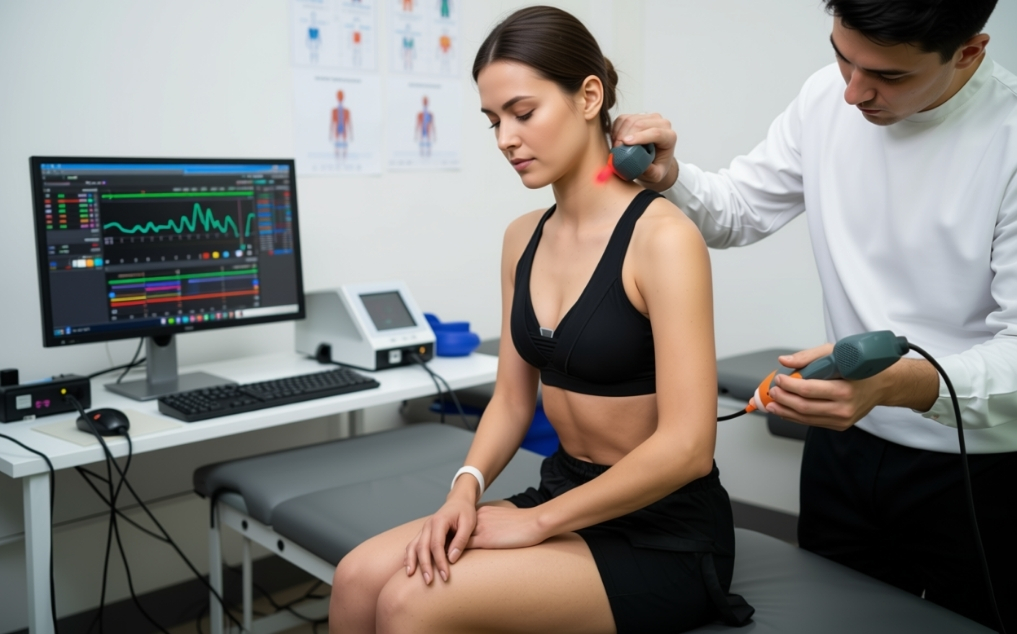
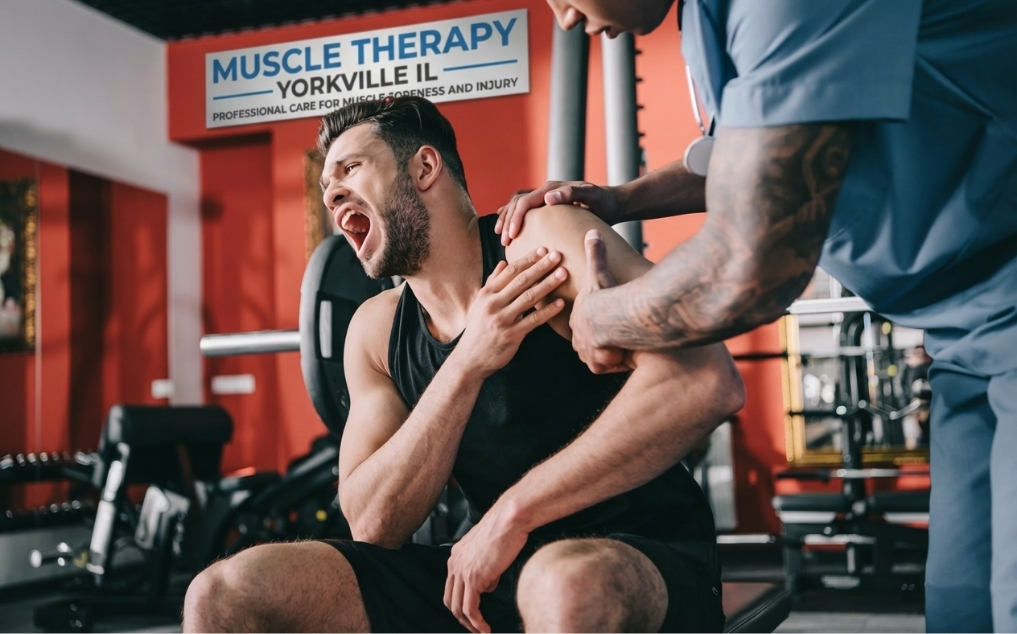
Muscle soreness and injury can derail your daily routine, whether you’re an athlete pushing through training or simply dealing with the aftermath of yard work. When traditional rest and over-the-counter solutions fall short, it’s time to explore targeted muscle therapy that addresses the root cause. StretchClub in Yorkville, Illinois offers doctor-designed programs that combine advanced techniques to help your muscles recover faster and perform better.
Unlike passive treatment approaches, StretchClub uses PNF combined with dynamic partner-assisted stretching in a one-on-one setting to reduce muscle tension, support injury recovery, and help prevent future issues. This personalized method is effective for both recent soreness and long-standing muscle tightness, with care tailored to your specific needs.
Understanding Muscle Soreness vs. Muscle Injury
Muscle soreness and muscle injury aren’t the same, though they’re often confused. Delayed onset muscle soreness (DOMS) typically appears 24-48 hours after unfamiliar or intense activity. You’ll feel stiff and achy, but the discomfort usually resolves within a few days as your muscles adapt and repair themselves.
Muscle injuries involve actual tissue damage—strains, tears, or pulls that cause immediate pain and limited function. A Grade 1 strain might feel like tightness with some discomfort, while a Grade 3 tear causes severe pain and complete loss of strength. Recognizing the difference helps you choose the right treatment approach and avoid making things worse.
How Doctor-Designed Muscle Therapy Works
StretchClub’s approach goes beyond basic stretching or massage. Our doctor-designed programs use PNF techniques that activate your nervous system to release muscle tension and restore proper movement patterns. Research shows that PNF stretching can improve joint range of motion and muscle extensibility more effectively than passive stretching techniques in many contexts, particularly when performed consistently as part of a rehabilitation program.
During dynamic partner-assisted stretching, our trained team members guide your muscles through controlled movements that you can’t achieve on your own. This combination addresses multiple factors contributing to muscle problems. Tight muscles often pull on joints, creating misalignment and compensatory patterns. By improving muscle balance and flexibility through shorter, more frequent, one-on-one sessions, we help your body work more efficiently and reduce the load on injured or sore areas.
Common Causes of Muscle Soreness in Yorkville Residents
Yorkville’s active community faces unique muscle challenges. Local residents often report soreness from recreational sports leagues, gym workouts, and outdoor activities along the Fox River Trail. Overtraining without adequate recovery leads to cumulative muscle fatigue and increased injury risk.
Desk work poses another significant challenge for Yorkville professionals commuting to nearby business districts. Hours of sitting creates muscle imbalances—tight hip flexors, weak glutes, and stiff shoulders. These imbalances eventually cause pain and limit your ability to enjoy activities outside work. Yard maintenance and home improvement projects also generate unexpected muscle soreness, especially when seasonal activities demand movements your body hasn’t performed in months.
Treating Acute vs. Chronic Muscle Issues
Acute muscle soreness from a recent workout or minor strain responds well to rest, ice, and gentle movement. However, jumping back into full activity too quickly often re-injures the area. StretchClub’s approach helps bridge the gap between initial rest and return to activity, using controlled movements that promote healing without overloading damaged tissue.
Chronic muscle problems require a different strategy. When soreness persists beyond normal recovery timeframes, underlying issues like compensation patterns, poor posture, or previous injuries need attention. Our team evaluates your entire movement system to identify why certain muscles stay tight or painful, then designs a program addressing those root causes rather than just treating symptoms.
Choosing the Right Muscle Therapy Approach
Choosing the Right Muscle Therapy Approach
When deciding between stretch therapy, physical therapy, and chiropractic care, it helps to match the approach to your specific goals, condition, and recovery needs. Stretch therapy—particularly methods like proprioceptive neuromuscular facilitation (PNF)—primarily aims to increase range of motion and flexibility. A practical rule of thumb is to choose stretch therapy when your main goal is improving flexibility and mobility without significant functional impairment.
Physical Therapy vs. Chiropractic Care
Physical therapy is designed for structured rehabilitation, including post-surgical recovery, return to sport, and chronic condition management. Chiropractic care focuses on spinal and joint manipulation to reduce pain and improve mobility. Studies show both approaches achieve similar outcomes for pain relief and function, with chiropractic care often emphasizing quicker symptom relief.
When a Combined Approach Makes Sense
In many cases, combining these approaches—such as starting with chiropractic adjustments for pain relief and transitioning to physical therapy for long-term functional improvement—yields optimal results. StretchClub’s doctor-designed stretch therapy programs offer a specialized focus on flexibility and muscle balance that complements other treatment modalities while also providing standalone benefits for many muscle-related concerns.
The StretchClub Difference for Muscle Recovery
Most muscle therapy options in Yorkville fall into two categories: hands-off approaches like exercise programs, or passive treatments like massage. StretchClub combines the benefits of both through active, hands-on work that requires your participation. This engagement accelerates results because your nervous system learns new movement patterns while muscles physically lengthen.
Our one-on-one model means every session focuses entirely on your needs. There are no group classes or cookie-cutter routines. If you arrive with new soreness or concerns, we adjust immediately. This flexibility proves especially valuable for injury recovery, where progress isn’t always linear and setbacks require quick modifications to keep you moving forward safely.
What to Expect During Your First Visit
Your initial visit begins with a thorough evaluation of your muscle soreness or injury. Our experienced team members assess your movement patterns, flexibility, and areas of tension or weakness. This assessment reveals not just where you hurt, but why—the compensations and imbalances contributing to your problem.
From there, we design a personalized program using PNF and dynamic partner-assisted stretching techniques suited to your current condition. You’ll actively participate while our team provides the assistance and resistance needed to achieve deeper, more effective stretches than you could manage alone. Many clients notice immediate improvements in range of motion and reduced discomfort after their first session.
Take Control of Your Muscle Health Today
Living with persistent muscle soreness or working around an injury limits your quality of life unnecessarily. StretchClub in Yorkville offers a proven alternative to just waiting for problems to resolve on their own. Our doctor-designed programs combining PNF and dynamic partner-assisted stretching help your muscles recover properly while building resilience against future issues.
Book your complimentary intro stretch now at our Yorkville location to experience the difference personalized, hands-on muscle therapy makes. Call (630) 882-9695 or visit us at 332 E Veterans Parkway to start your journey toward pain-free movement and better performance in everything you do.
Frequently Asked Questions
How quickly can muscle therapy reduce soreness?
Many people experience noticeable relief within their first few sessions, though complete recovery depends on the severity and duration of your muscle issues. Acute soreness from recent activity typically improves faster than chronic tightness that’s developed over months or years. Our doctor-designed programs focus on shorter, more frequent sessions to build consistent progress rather than expecting one treatment to solve everything.
Is muscle therapy painful?
The stretching techniques should feel intense but never cause sharp pain. You’ll experience a strong pulling sensation as muscles lengthen, and some mild soreness afterward is normal as your body adapts. Our trained team constantly communicates with you during sessions to ensure intensity stays within a productive range that promotes healing without causing additional damage.
Can I continue exercising while receiving muscle therapy?
Most clients continue their normal activities with some modifications based on their specific condition. We’ll guide you on what movements to avoid and which exercises support your recovery. The goal is keeping you active and engaged in life while systematically addressing the underlying muscle problems causing your soreness or injury.
How does StretchClub’s approach differ from physical therapy?
StretchClub uses doctor-designed programs delivered by experienced team members including doctors and athletic trainers, focusing specifically on flexibility, muscle balance, and movement optimization through PNF and dynamic partner-assisted stretching. Physical therapy is a broader clinical discipline that assesses movement patterns, strength, balance, and neuromuscular control, then prescribes individualized exercise programs along with manual therapy and education. Our specialized approach complements other treatments and works particularly well when your primary goal is improving range of motion and muscle extensibility.
What muscle injuries does StretchClub treat?
We work with various muscle strains, pulls, and chronic tightness affecting the neck, shoulders, back, hips, and legs. Common conditions include hamstring strains, hip flexor tightness, rotator cuff issues, and lower back muscle spasms. Our team evaluates each case individually to determine if our approach fits your needs or if additional medical care should be pursued first.
How often should I come for muscle therapy?
Frequency depends on your condition’s severity and your goals. Many clients benefit from shorter, more frequent sessions initially—two to three times weekly—then transition to maintenance visits as symptoms improve. The one-on-one nature of our care means we adjust your schedule based on how your body responds rather than following a rigid protocol.
Will my results last after finishing treatment?
The techniques you learn during sessions can be partially maintained at home, and the improved muscle balance and flexibility you develop tends to persist with reasonable care. We teach you strategies to preserve your gains and provide guidance on activities that support long-term muscle health. Some clients return periodically for tune-up sessions to maintain optimal function.