Persistent muscle tightness that won’t improve with stretching often stems from restricted connective tissue. Myofascial release targets this deeper source of tension by addressing the fascia that supports your muscles. At StretchClub in Yorkville, our doctor-designed programs combine hands-on myofascial work with dynamic partner-assisted stretching to restore comfort and mobility.
Unlike conventional stretching or massage that only provides temporary relief, our approach targets the root cause of your discomfort. We accept most commercial health insurance including Blue Cross Blue Shield PPO, making it easier for you to access the specialized care you need without breaking the bank.
Understanding Myofascial Tension and Why It Matters
Fascia is a web-like connective tissue that surrounds muscles, organs, and bones, providing structural support and coordinating movement, according to the Cleveland Clinic. When fascia becomes tight or restricted due to injury, poor posture, or repetitive stress, it creates myofascial tension—a complex pattern that can cause pain far beyond the original area.
Many people struggle with chronic tension for months or even years because traditional approaches only address surface-level symptoms. The fascia needs specialized attention and specific techniques to release properly. That’s where our trained team at StretchClub comes in, using hands-on expertise to identify restriction patterns and systematically release them through targeted myofascial work combined with PNF stretching techniques.
How StretchClub’s Approach Differs from Standard Myofascial Work
Most people associate myofascial release with foam rolling or brief massage sessions that provide only temporary relief. At StretchClub, we take a comprehensive approach that goes far beyond these limited methods. Our doctor-designed programs blend myofascial release with dynamic partner-assisted movement, creating lasting changes in your tissue quality and movement patterns.
During your one-on-one sessions with our expert team members, we don’t just work on isolated tight spots. We assess your entire body’s movement patterns to understand how fascial restrictions in one area might be contributing to problems elsewhere. This full-body perspective, combined with shorter, more frequent, one-on-one sessions, allows us to progressively address layers of tension that have built up over time.
The Science Behind Sustained Pressure and Movement
Effective myofascial release requires sustained pressure applied in specific directions combined with active movement. This combination helps break up fascial adhesions and restore the tissue’s natural sliding properties. Our athletic trainers and doctors understand the biomechanics of how fascia responds to different techniques, adjusting pressure, angle, and duration based on your individual tissue response.
The difference you’ll feel isn’t just about relaxation – it’s about restored function. When fascial restrictions are released, you’ll notice improved range of motion, reduced pain during daily activities, and a body that moves more freely. Many clients report feeling like they’ve regained mobility they didn’t even realize they’d lost.
Fascia Therapy vs. Massage: Understanding the Critical Difference
While both fascia therapy and massage involve hands-on treatment of soft tissues, they differ significantly in their focus, techniques, and long-term goals. Understanding this distinction helps explain why so many people find lasting relief through myofascial work after massage provided only temporary results.
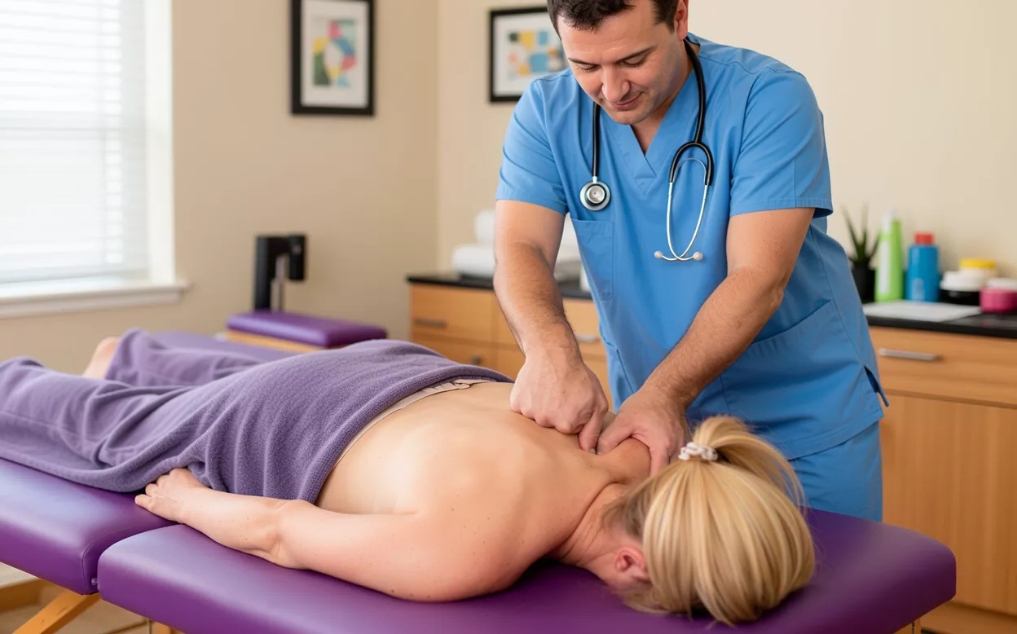
Fascia therapy targets the continuous web of connective tissue that surrounds muscles, bones, nerves, and organs. When fascia becomes restricted due to injury, repetitive stress, or poor posture, it limits mobility and contributes to chronic pain. Our approach addresses this by applying gentle, sustained pressure held for extended periods, allowing the connective tissue to soften, elongate, and restore normal glide between tissue layers.
Why Duration and Intent Matter for Lasting Results
Massage therapy, by comparison, primarily focuses on muscle tissue and uses techniques such as kneading, stroking, and rhythmic pressure to improve circulation, reduce muscle tension, and promote relaxation. This makes massage especially effective for stress relief, post-exercise soreness, and temporary muscular tightness – but it doesn’t create the structural changes needed for chronic conditions.
The key difference lies in how we work with your tissue. Massage typically works muscles with varied pressure and movement, while fascia therapy emphasizes low-load, long-duration pressure to create structural changes in connective tissue. As a result, our approach often produces more lasting improvements in range of motion, movement quality, and chronic pain patterns, especially when muscle-focused treatments alone haven’t provided lasting relief.
Common Conditions That Respond Well to Myofascial Release
Chronic lower back pain is one of the most common issues we address at our Yorkville location. Often, this pain stems from fascial restrictions in the thoracolumbar fascia, hip flexors, or even the IT band. By releasing these restrictions systematically, we help clients reduce or eliminate pain that traditional approaches couldn’t resolve.
Neck pain and tension headaches are another area where myofascial work excels. The fascia connecting your neck, shoulders, and upper back can create tension patterns that trigger headaches and limited neck mobility. Our team addresses these interconnected tissues to provide relief that lasts beyond your session.
Beyond Pain Relief: Performance and Prevention
Athletes and active individuals discover that myofascial release isn’t just about fixing problems – it’s about optimizing performance. Restricted fascia limits your body’s ability to generate power, maintain proper form, and recover efficiently from training. Whether you’re a runner dealing with IT band syndrome or a golfer struggling with thoracic rotation, releasing fascial restrictions can unlock performance improvements you didn’t know were possible.
We also treat injuries from auto accidents, helping individuals recover from the complex soft tissue trauma that often accompanies these incidents. The combination of myofascial work and dynamic stretching accelerates healing and prevents the development of chronic compensation patterns that can plague accident survivors for years.
What to Expect During Your First Visit
Your journey with StretchClub begins with a comprehensive assessment where our doctors or athletic trainers evaluate your movement patterns, identify areas of restriction, and discuss your specific goals and concerns. We’re not looking to fit you into a one-size-fits-all program – we’re designing an approach tailored to your body’s unique needs.
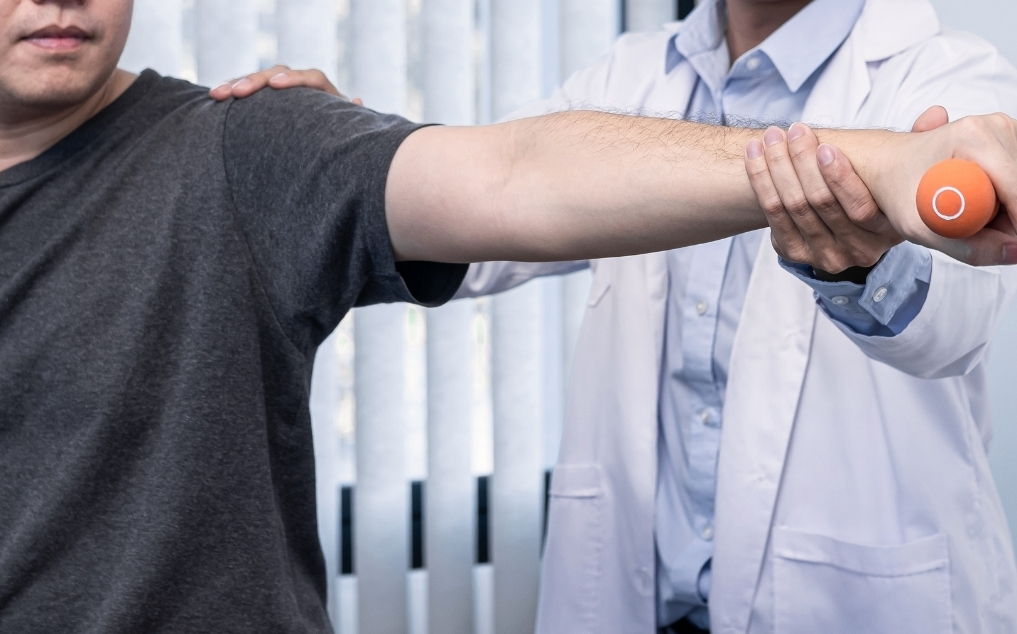
During your actual treatment, you’ll remain clothed in comfortable athletic wear while our team uses hands-on techniques to release fascial restrictions. You’ll be an active participant, moving through specific ranges of motion while we provide sustained pressure and facilitation. This isn’t passive work – the combination of your movement and our expert application of force creates the conditions for lasting tissue change.
Progressive Treatment and Building on Results
Real, lasting change in fascial tissue doesn’t happen overnight. That’s why we emphasize shorter, more frequent, one-on-one sessions rather than sporadic, lengthy appointments. This approach allows us to progressively work through layers of restriction, building on the improvements from each previous session. Your tissue needs consistent stimulus to reorganize and maintain the changes we create together.
Most clients notice improvements after their first few sessions, with continued progress as we address deeper layers of restriction. We’ll regularly reassess your movement and adjust your treatment plan as your body responds, ensuring you’re always moving toward your goals efficiently.
Take the First Step Toward Lasting Relief
Chronic tension doesn’t have to be your normal. The combination of expert myofascial release and doctor-designed stretching programs at StretchClub offers a proven path to feeling better, moving freely, and reclaiming the active life you deserve. Our Yorkville team is ready to help you break free from persistent muscle tension and discover what your body can do when it’s working for you instead of against you.
Book your complimentary intro stretch today by visiting our Yorkville location at 332 E Veterans Parkway, calling (630) 882-9695, or scheduling online through ZocDoc. Experience firsthand why so many people in the Yorkville community trust StretchClub for specialized treatment that delivers real, lasting results. Your journey to a pain-free, more mobile life starts with one decision – let’s make today that day.
FAQs
What exactly is myofascial release and how is it different from regular massage?
Myofascial release targets the connective tissue system rather than just muscle tissue. While massage focuses on relaxing muscles through kneading and rhythmic pressure, myofascial work addresses the web-like fascia that can create restriction patterns affecting multiple areas of your body. Our approach combines sustained pressure with active movement, creating lasting structural changes rather than temporary relaxation.
How many sessions will I need to see real results?
Most clients notice improvements within their first few sessions, but lasting change requires progressive treatment. The number of sessions depends on how long you’ve had restrictions, their severity, and your body’s response to treatment. Our emphasis on shorter, more frequent, one-on-one sessions allows us to build on progress systematically rather than expecting dramatic change from sporadic appointments.
Can myofascial release help with old injuries that never fully healed?
Absolutely. Many chronic issues stem from fascial restrictions that developed during the initial injury but were never properly addressed. Even if your injury occurred years ago, releasing these restrictions can significantly improve your function and reduce lingering pain. We treat many auto accident survivors and individuals with old sports injuries who finally find relief through our comprehensive approach.
Is the treatment painful?
You’ll experience sensations of pressure and stretch, and occasionally we’ll work on areas that are tender. However, this isn’t about causing pain – it’s about working within your tolerance to create change. Our trained team constantly communicates with you to ensure the pressure is appropriate and effective. Most clients describe the sensation as “good discomfort” that leads to significant relief.
Do you only work on the area that hurts?
No, and this is a crucial difference in our approach. Fascial restrictions in one area often cause pain in another location. For example, hip restrictions might contribute to lower back pain, or shoulder tension might trigger headaches. Our doctors and athletic trainers assess your full movement patterns to address the root cause, not just the symptoms.
What should I wear to my appointment?
Wear comfortable athletic clothing that allows movement – similar to what you’d wear to the gym. Shorts and a t-shirt work well. You’ll remain clothed during your entire session. Avoid restrictive clothing like jeans or anything that limits your ability to move freely.
How does your approach work with dynamic partner-assisted stretching?
Our doctor-designed programs blend myofascial release techniques with PNF and dynamic partner-assisted stretching. After releasing fascial restrictions, we immediately work on restoring optimal movement patterns through assisted stretching. This combination addresses both the structural restrictions and the functional movement patterns, creating comprehensive and lasting results that standalone myofascial work or stretching alone can’t achieve.