Lower back pain doesn’t wait for your schedule. It disrupts work, sleep, and daily tasks, making chronic discomfort feel inevitable. If you’ve tried pain relievers, YouTube stretches, or rest without success, what you need is a solution tailored to your body.
Dr. Alyssa Holum, Dr. Michael Scardina, and their team at StretchClub® in Yorkville offer professional assessments and doctor-designed programs combining PNF techniques with dynamic partner-assisted stretching. We target the root cause of your pain, helping you move, work, and live with lasting comfort—not just temporary relief.
The Problem with Comfort-Based Approaches
Many people trying to “increase comfort” rely on heat pads, pain medication, or ergonomic tweaks. While these offer temporary relief, they don’t address the root cause of your back pain. True comfort depends on movement quality and muscle function—weak core muscles, tight hips, and poor movement patterns can’t be fixed with short-term measures.
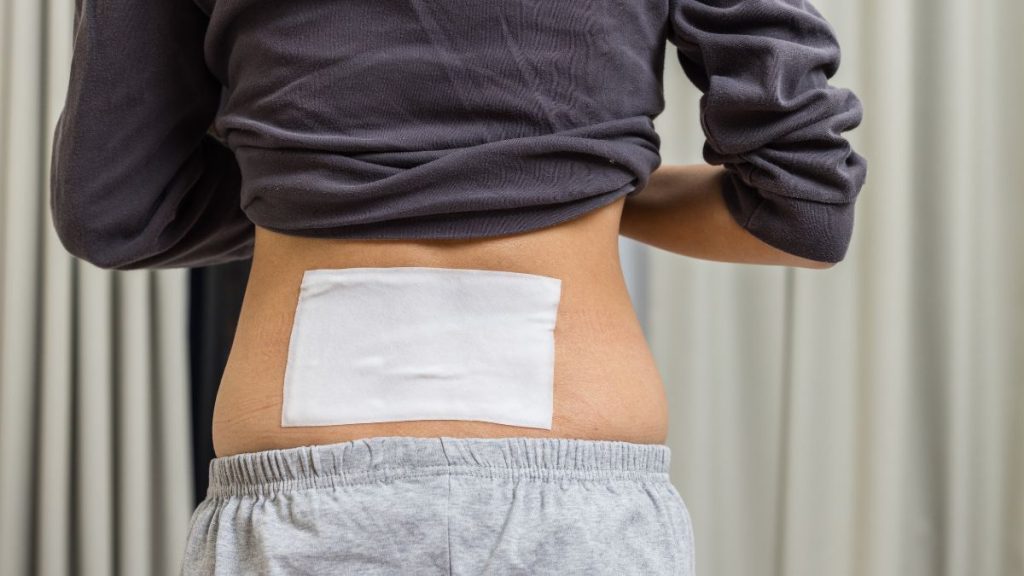
Professional comfort care requires understanding what’s limiting your comfort. Is it muscle tightness restricting your movement? Is it core weakness causing fatigue and pain? Is it postural misalignment creating constant stress? Is it movement dysfunction forcing compensatory patterns? The answers to these questions determine the actual professional options available to you.
Professional Assessment: The Foundation of Real Comfort Improvement
Increasing your comfort starts with a professional diagnosis of your specific limitations. Dr. Holum and Dr. Scardina perform thorough assessments—testing flexibility, core strength, spinal alignment, and movement patterns during functional activities. This reveals the exact dysfunction limiting your comfort—insights that self-assessment or casual stretching can’t provide.
Many Yorkville patients are surprised by the real cause of their discomfort. What feels like a herniated disk may actually be poor core activation, or tight hips might mask weak glutes and anterior pelvic tilt. Understanding the true limitation makes the path to relief clear.
Movement Quality as the Primary Comfort Driver
Your comfort level directly reflects your movement quality. When you move inefficiently—with poor alignment, weak stabilizers, and compensatory patterns—your body works harder, tires faster, and experiences more pain. Professional care focuses on improving your movement quality, which naturally increases your comfort. Better movement means less effort, less fatigue, and less pain during daily activities.
Dynamic Partner-Assisted Stretching for Rapid Comfort Gains
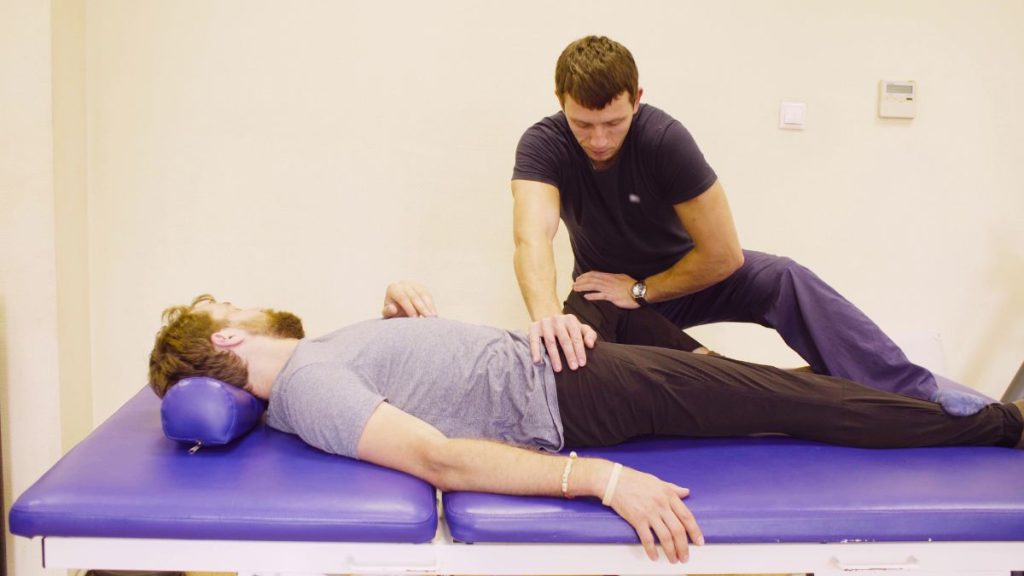
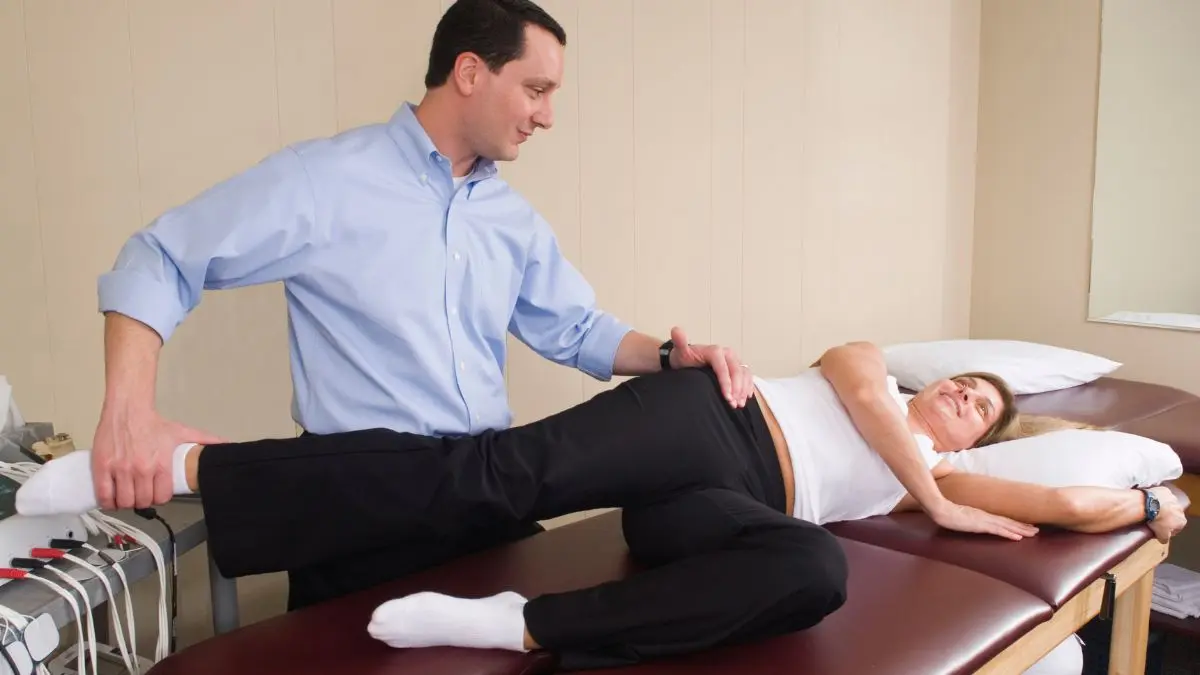
One professional option many people overlook is dynamic partner-assisted stretching—where a trained professional actively guides your muscles through movement patterns rather than having you passively hold static stretches. This approach is significantly more effective for increasing comfort because it engages your nervous system and actually changes how muscles respond to movement.
When Dr. Holum or Dr. Scardina uses dynamic partner-assisted techniques on your tight hip flexors, restricted hamstrings, or tense spinal muscles, your nervous system experiences real movement change within a single session. Many patients notice immediate comfort improvements because the restrictions limiting their movement are genuinely released, not just temporarily stretched.
Core Activation and Spinal Stability for Lasting Comfort
Your deep core muscles create the foundation for comfortable movement. When these stabilizers work efficiently, your spine is supported during activity, your larger muscles don’t have to work overtime, and your overall comfort increases dramatically. Professional core training isn’t about doing hundreds of crunches—it’s about learning to activate your deep stabilizers using proper technique and precise cueing.
Dr. Holum and Dr. Scardina teach you to feel your transverse abdominis and multifidus engaging. Through hands-on guidance and real-time feedback, your nervous system relearns how to activate these muscles properly. Once your core stabilizers are working efficiently, you’ll notice your comfort increasing during everyday activities—sitting, standing, walking, and lifting all feel easier because your spine is properly supported.
Motor-Control Exercise: Evidence-Based Activation Training
The science behind activating your deep core stabilizers is compelling. Research published in systematic reviews shows that motor control exercise—targeted, activation-based training—can improve both the size and activation patterns of the lumbar multifidus in people with chronic lower back pain. These aren’t just theoretical improvements. Clinical studies using imaging have documented actual morphological changes in the multifidus muscle itself when patients receive proper activation training.
This is the critical distinction between professional motor-control exercise and generic back exercises. Generic routines might strengthen surface muscles, but they don’t specifically target the deep stabilizers or improve their activation patterns. Professional assessment identifies whether your multifidus is underactive, and targeted motor-control training reestablishes proper activation. The result is measurable improvement in muscle function and size—changes that translate directly to increased comfort and reduced discomfort during movement.
Targeted Motor-Control Assessment for Lasting Results
Dr. Holum and Dr. Scardina’s assessment focuses specifically on motor control—whether your deep stabilizers are activating properly. This precision approach means your treatment targets the exact muscles and neural patterns that research has proven respond to activation-based training. Generic exercises can’t provide this level of specificity, which is why personalized motor-control exercise produces superior results.
Hip and Pelvis Optimization for Full-Body Comfort
Your hips control how your pelvis positions, which directly influences spinal stress and comfort. Tight hip flexors create anterior pelvic tilt, increasing lumbar curve and pressure. Weak glutes fail to stabilize your pelvis during movement, forcing your lower back to compensate. Restricted hip mobility limits your body’s ability to distribute movement across your kinetic chain.
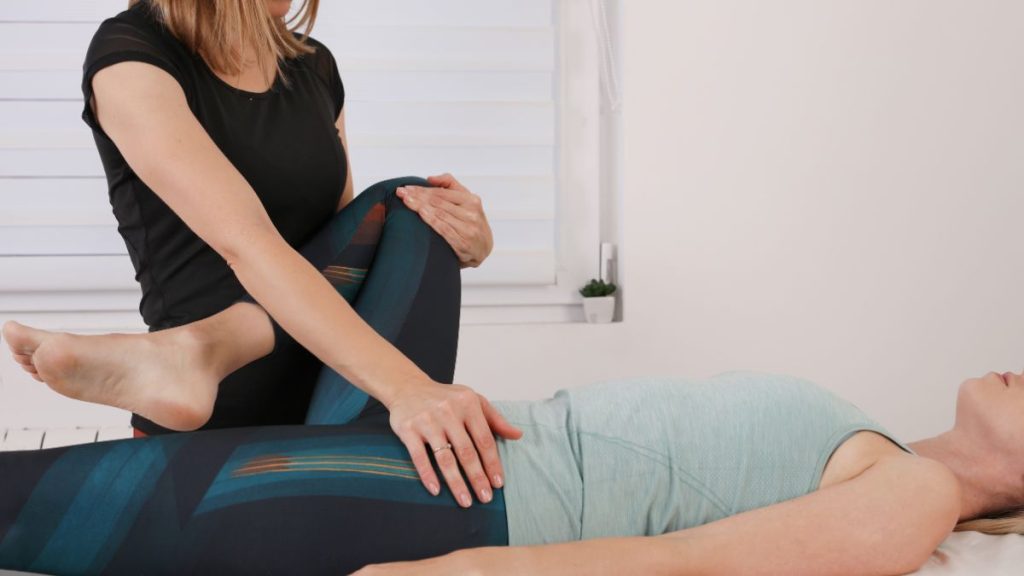
Professional hip and pelvis assessment identifies these specific restrictions and imbalances. Once identified, targeted stretching and strengthening increase your hip mobility and activate underperforming muscles. The result is better pelvic stability, reduced spinal stress, and noticeably increased comfort during movement.
Postural Alignment and Ergonomic Optimization
Your daily posture creates cumulative stress that directly impacts your comfort level. Forward-leaning desk posture compresses your lower spine. Poor sleeping position maintains spinal misalignment during recovery. Inefficient lifting mechanics stress specific spinal structures repeatedly. Professional postural assessment and optimization remove these daily stress sources.
Dr. Holum’s and Dr. Scardina’s team evaluates your workspace ergonomics, teaches you proper sleeping positions, and demonstrates efficient movement mechanics for common activities. By optimizing your posture and daily movement patterns, you eliminate the constant stress accumulation that limits your comfort.
Post-Injury and Post-Accident Comfort Restoration
If your lower back pain began after an injury or accident, your primary professional option is targeted rehabilitation addressing the specific damage patterns and protective responses your body developed. Muscle guarding, loss of mobility, and movement compensation all limit your comfort. Professional assessment identifies these patterns, and targeted treatment systematically restores them.
Our team coordinates directly with your insurance company for post-accident and workplace injury claims, ensuring you receive the professional care you need without the stress of navigating coverage details.
Insurance and Professional Accessibility
At StretchClub Yorkville, we accept most commercial health insurance plans, including Blue Cross Blue Shield PPO and many others. We’re transparent about your coverage from the start. Most professional care is covered by insurance, making quality treatment accessible without hidden costs.
Taking the Next Step Toward Greater Comfort
Increasing your comfort through professional care means working with practitioners who understand that your pain is a specific problem requiring specific solutions. Dr. Alyssa Holum and Dr. Michael Scardina in Yorkville have the expertise and experience to assess your unique situation and design professional options specifically for you.
Your first step is a free consultation where we’ll evaluate your flexibility, core strength, spinal alignment, and movement quality. We’ll explain exactly what’s limiting your comfort and show you the professional options available for your situation. You’ll leave understanding not just why you’re uncomfortable, but precisely how we’ll increase that comfort systematically.
FAQs
What makes professional assessment different from doing my own stretching and strengthening?
Professional assessment identifies your specific limitations and the exact cause of your discomfort. Self-directed stretching and strengthening are often generic and may actually reinforce the same dysfunction causing your pain. Professional assessment reveals your unique problem and guides targeted solutions designed specifically for your body.
How quickly will professional treatment increase my comfort?
Many patients notice comfort improvements within 1-2 weeks as movement patterns begin to change and muscle tension decreases. More substantial comfort gains typically take 4-6 weeks of consistent professional treatment. Your specific timeline depends on how long you’ve had discomfort and how consistently you engage with your program.
Is it better to see a doctor or a therapist for lower back pain comfort?
Both can be valuable. Doctors provide medical assessment and diagnosis. Therapists provide hands-on treatment and movement retraining. At StretchClub Yorkville, you work with both—Dr. Holum and Dr. Scardina design your program, and our trained team delivers hands-on treatment. This combination maximizes your comfort improvement.
What if I’ve already tried physical therapy without improvement?
Many people try physical therapy that uses generic protocols applied to all patients. Professional assessment reveals your specific problem, which may be completely different from what you thought. Your previous program might have addressed the wrong dysfunction. Personalized professional care often succeeds where generic approaches fail.
Can professional treatment help if my discomfort is from a herniated disk?
Often, yes. Even when a disk herniation is present, much of the discomfort comes from muscle guarding, movement compensation, and neural tension. Professional assessment distinguishes between disk-related and muscle-related contributions to your discomfort. Addressing the muscular component often increases comfort significantly, even if the disk issue remains.
How do I know if my lower back pain requires surgery, or if professional non-surgical treatment will help?
This is exactly what professional assessment determines. Most lower back pain responds to non-surgical treatment if the right approach is used. Surgery is usually reserved for specific conditions like progressive neurological symptoms or structural instability. Professional assessment and a trial of targeted treatment help clarify whether surgery is actually necessary.
What professional options are available if I have an old lower back injury?
Old injuries often leave behind movement compensation patterns and muscle imbalances that continue causing discomfort years later. Professional assessment identifies these lingering dysfunctions. Even long-standing comfort issues often resolve when the underlying movement dysfunction is professionally addressed.
Will professional treatment require ongoing sessions forever, or can my comfort be permanently improved?
Once we’ve professionally addressed your specific dysfunction, restored your movement quality, and retrained your patterns, comfort improvement often persists long-term. Some patients benefit from occasional maintenance sessions, but many achieve sustained comfort and rarely need ongoing professional care.
Ready to experience professional lower back pain treatment in Yorkville? Contact us today:
???? 332 E Veterans Parkway
Yorkville, IL
???? (630) 882-9695
???? info@stretchclub.com
???? 8 AM – 6 PM