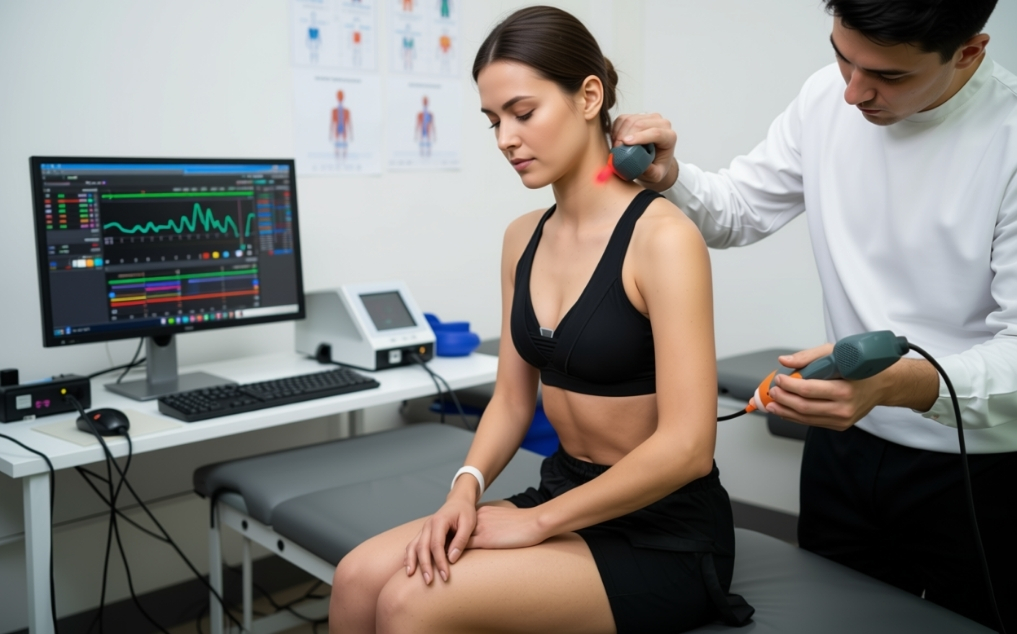
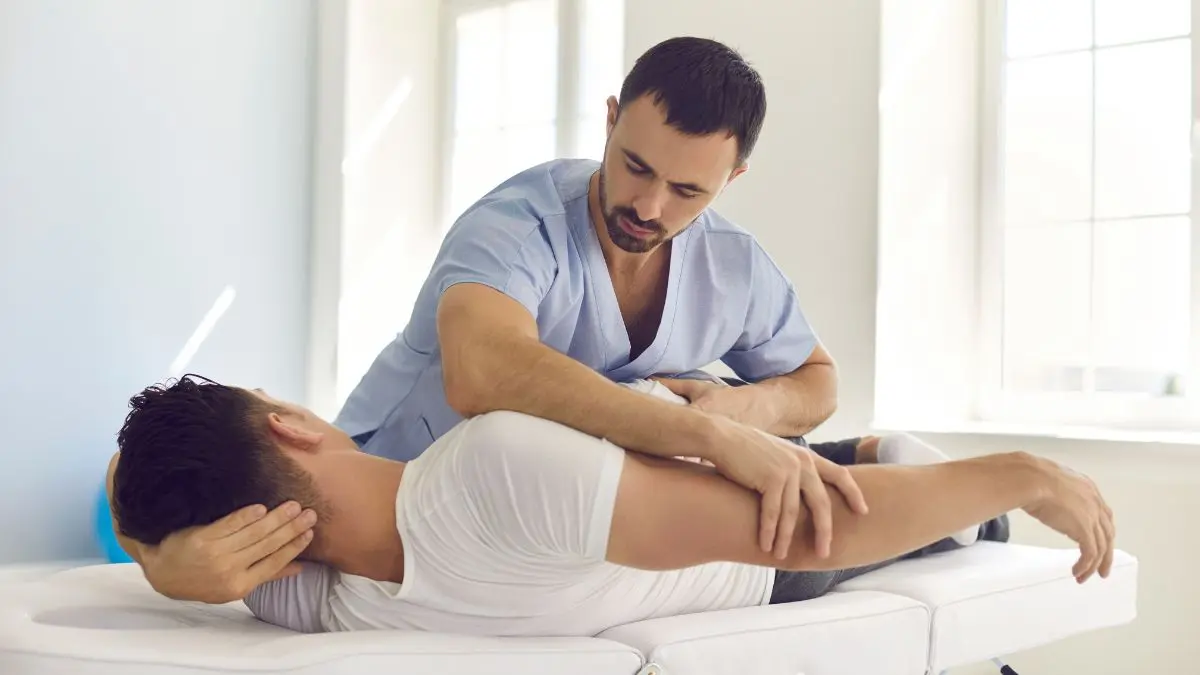
The diagnosis hits like a verdict: herniated disk. Suddenly, the radiating leg pain, foot numbness, or stabbing sensation when bending forward has a name. Your doctor points to the MRI—the bulging disk pressing on nerve roots explains your symptoms. But treatment options often feel limited: medications that mask pain, injections offering temporary relief, or surgery with risks and a long recovery.
StretchClub® in Oswego IL offers another path—conservative, effective care for most herniated disk cases that don’t require surgery. Their physician-designed FAST system combines gentle chiropractic decompression, targeted stretching, and strengthening to restore stability and function. Most patients experience lasting relief without surgery, returning to activities they thought they’d lost.
Understanding Herniated Disks Beyond the MRI

A herniated disk occurs when the soft inner material of a spinal disk pushes through its outer layer, pressing on nearby nerves. This may cause pain, tingling, or weakness depending on the affected nerve.
What MRIs don’t show is why a disk herniates. Disks fail because of long-term uneven loading—tight muscles, weak stabilizers, or postural strain from prolonged sitting or poor movement habits. Correcting these underlying causes is vital. Surgery may remove the protrusion, but without addressing the imbalance that caused it, recurrence is likely.
Conservative treatment aims to restore alignment, reduce nerve pressure, and strengthen support structures—allowing natural healing and long-term relief.
Why Conservative Treatment Works
The Body’s Natural Healing Ability
Most herniated disks improve significantly with conservative care in 6–12 weeks. The body can reabsorb herniated material, reduce inflammation, and restore nerve function when mechanical stress decreases.
Gentle decompression, proper alignment, and muscle rebalancing create conditions for healing while preventing compensatory strain in other spinal segments.
When Surgery Is Needed
Only a small percentage require surgery—typically those with progressive neurological symptoms like severe weakness, loss of bladder control, or unrelenting pain unresponsive to several weeks of conservative care.
For most patients, conservative treatment achieves excellent results without surgical risks or extended downtime.
The StretchClub Approach
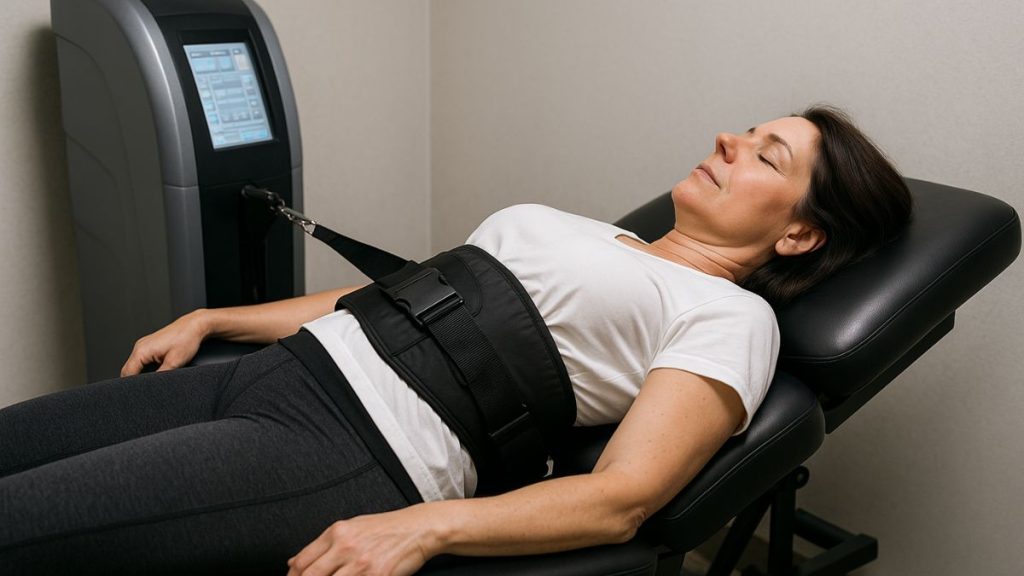
Gentle Spinal Decompression
StretchClub uses gentle, controlled decompression techniques that relieve nerve pressure by creating negative pressure within the disk space. Unlike aggressive manipulation, these methods are slow and comfortable, tailored to your herniation pattern.
Dr. Mark Glynn’s expertise ensures decompression angles and intensity match your specific condition. Sessions begin conservatively and progress based on your response. Some patients feel relief immediately; others improve gradually as inflammation subsides.
Targeted Stretch Therapy
Chronic muscle tightness often contributes to herniated disks. Tight hip flexors or hamstrings can tilt the pelvis and overload spinal disks. Assisted stretching sessions release these restrictions more effectively than self-stretching.
Therapists target key muscles like the psoas, hamstrings, and piriformis to restore proper movement and reduce nerve irritation. Within a few weeks, most patients notice easier movement and reduced tension.
Strategic Strengthening for Stability
Once acute pain subsides, physical therapy focuses on rebuilding stability. Weak core muscles allow excessive spinal motion that strains healing disks. Strengthening the deep stabilizers—especially the transverse abdominis and pelvic floor—creates a natural brace protecting the spine.
Therapy progresses from gentle activation to functional movements that translate into daily life, ensuring lasting protection against re-injury.
Coordinated Team Care
Your chiropractor, stretch therapist, and physical therapist collaborate on every case. They review progress regularly and adjust treatment as needed. If flexibility lags, stretching intensity increases; if symptoms persist, chiropractic technique or frequency adjusts. This teamwork prevents gaps or conflicting care and keeps recovery on track.
What to Expect During Treatment
Assessment and Planning
Your first visit includes a detailed evaluation—reviewing MRI results (if available), symptoms, posture, and spinal mobility. Based on findings, the team creates a personalized plan outlining services, frequency, and goals.
Most patients start with 2–3 sessions weekly for the first few weeks, then taper as pain decreases and stability improves.
The Recovery Timeline
Many feel relief within two weeks as nerve pressure reduces. Significant progress occurs in 4–8 weeks, with full recovery often taking 3–6 months. Timelines vary depending on herniation severity, overall health, and consistency with home exercises.
Home Care and Activity Guidelines
Staying active—within limits—promotes healing. You’ll learn which activities to modify or avoid temporarily, such as prolonged sitting or bending while lifting. The team provides targeted home stretches and exercises to maintain progress between visits.
Conditions and Symptoms Successfully Treated
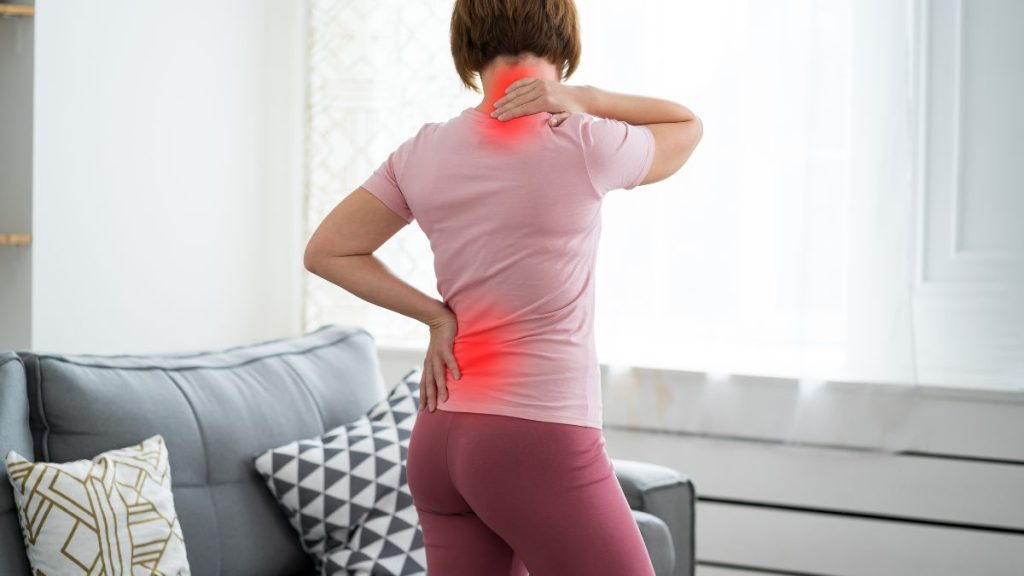
StretchClub’s integrated care helps both lumbar and cervical herniations:
- Lumbar disks: Lower back pain, leg pain (sciatica), numbness, tingling, or weakness.
- Cervical disks: Neck pain, arm or shoulder blade pain, numbness, or upper limb weakness.
Related conditions like facet joint syndrome, piriformis syndrome, and spinal stenosis also improve through alignment correction, decompression, and targeted strengthening.
Who Benefits Most
Acute vs. Chronic Herniations
Patients with recent herniations—symptoms present for only a few weeks or months—typically respond most quickly to conservative treatment. Those with chronic herniations present for many months or years also improve, though recovery takes longer since compensatory patterns have become deeply ingrained.
Age and Activity Factors
Young to middle-aged adults often experience excellent outcomes because their tissues still have a strong healing capacity.
Older adults also benefit, though recovery may take longer, and degenerative changes can limit the extent of improvement.
Athletes and active individuals appreciate the conservative approach, which allows a gradual return to activity without the downtime associated with surgery.
Surgical Considerations
Patients seeking to avoid surgery or unable to undergo it due to other health conditions often achieve meaningful improvement through conservative care, even if full resolution isn’t possible.
Those who have previously undergone disk surgery and developed new herniations or adjacent segment issues benefit from treatment that addresses the biomechanical factors contributing to recurrence.
Begin Your Recovery at StretchClub Oswego
StretchClub’s physician-designed FAST system has helped countless herniated disk patients avoid surgery while regaining function and returning to normal activities. Dr. Mark Glynn’s expertise in treating disk conditions ensures you receive safe, effective care tailored to your specific presentation.
Don’t let herniated disk pain continue limiting your life, or rush into surgery without exploring conservative options that work for the majority of patients. Contact StretchClub Oswego today to schedule your free consultation. Visit stretchclub.com to book online and learn more about the convenient Oswego location. Experience how the integrated FAST system, combining gentle chiropractic decompression, targeted stretching, and strategic strengthening, can help you recover naturally from herniated disk problems.
Frequently Asked Questions
Can chiropractic care help herniated disks or make them worse?
Appropriate chiropractic care using gentle decompression techniques helps the majority of herniated disk cases by reducing pressure on nerves and creating conditions for natural healing. Aggressive manipulation might worsen symptoms, which is why StretchClub uses specialized, gentle techniques specifically designed for disk conditions. Dr. Glynn’s training ensures treatment remains safe and effective for your particular herniation pattern.
How long does it take to recover from a herniated disk without surgery?
Most patients notice improvement within 2-4 weeks of consistent treatment, with significant functional recovery occurring within 6-12 weeks. Complete healing often takes 3-6 months as tissues fully repair and strength rebuilds. Recovery timelines vary based on herniation severity, how long symptoms existed before treatment, and individual healing capacity.
Will I need surgery for my herniated disk?
The majority of herniated disk patients—approximately 80-90%—recover successfully with conservative treatment and don’t require surgery. Surgery becomes necessary primarily for cases with progressive neurological deficits, cauda equina syndrome, or intractable pain unresponsive to 6-12 weeks of appropriate conservative care. Starting with conservative treatment makes sense for most patients.
What’s the difference between a herniated disk and a bulging disk?
A bulging disk shows generalized disk expansion beyond normal boundaries, but the outer layer remains intact. A herniated disk involves the inner material breaking through a tear in the outer layer, often pressing more directly on nerve roots. Herniated disks typically cause more severe symptoms, though both respond well to conservative treatment addressing underlying biomechanical issues.
Can a herniated disk heal completely?
Yes, most herniated disks improve significantly as the body reabsorbs protruding material and inflammation resolves. Follow-up MRIs often show substantial reduction or complete resolution of herniations in patients who’ve recovered through conservative care. Even when some herniation remains visible on imaging, symptoms typically resolve completely as nerve irritation decreases.
What activities should I avoid with a herniated disk?
During acute phases, avoid prolonged sitting, forward bending, especially while lifting, high-impact activities like running or jumping, and twisting motions under load. As symptoms improve, gradually reintroduce activities under guidance from your treatment team. Permanent activity restrictions are rarely necessary once you’ve fully recovered and built appropriate stability.
Is the treatment painful?
No. The gentle decompression techniques, assisted stretching, and progressive strengthening should never cause sharp pain or significant discomfort. You’ll feel intensity as muscles stretch and tissues release, but treatment remains within comfortable limits throughout. If any technique causes pain, your practitioner immediately adjusts the approach.
How is this different from physical therapy alone?
The integrated approach combines chiropractic decompression reducing nerve pressure, assisted stretching releasing restrictions impossible to address through self-stretching, and physical therapy building stability. This comprehensive treatment addresses all factors contributing to disk herniation and recovery, producing better outcomes than single-modality care focused only on strengthening exercises.