Weeks have passed since the injury, yet recovery hasn’t gone as expected. You’ve tried online exercises, rested when pain flared, and hoped time would heal—but progress stalls. Some days improve, then one wrong move resets everything. Even simple tasks like climbing stairs or bending to tie your shoes remain difficult, leaving you wondering if normal function will ever return.
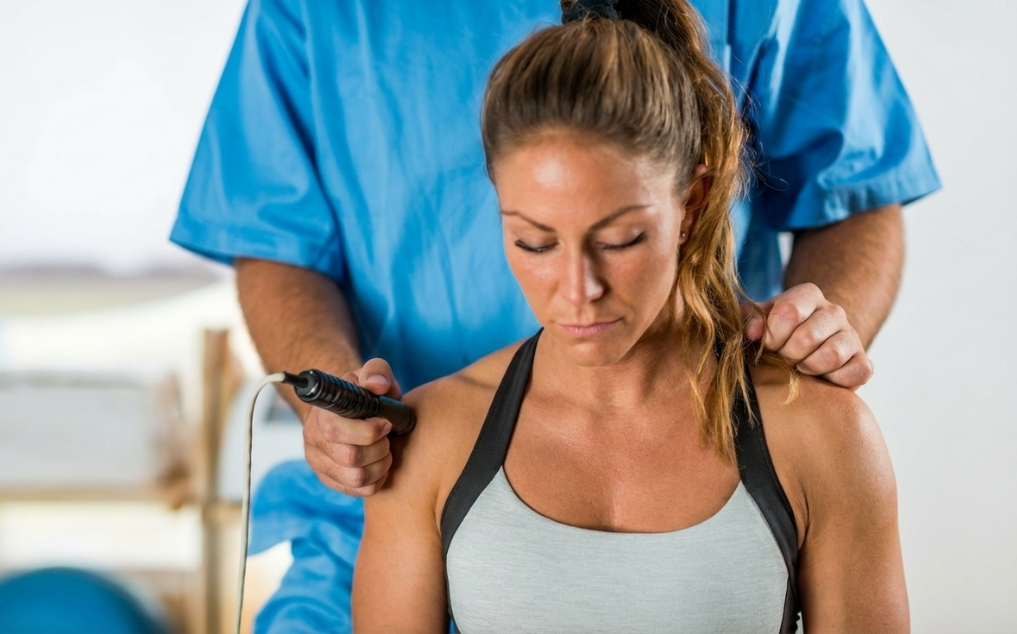
StretchClub® in Naperville, IL offers doctor-designed physical therapy programs that go beyond basic exercises. By combining targeted therapy, partner-assisted stretching, and chiropractic care, they address the root causes of slow recovery—alignment issues, muscle restrictions, compensations, and weakness. Whether healing from surgery, a sports injury, or chronic pain, personalized one-on-one care helps restore function and prevent future setbacks.
Why Traditional Recovery Approaches Often Fall Short
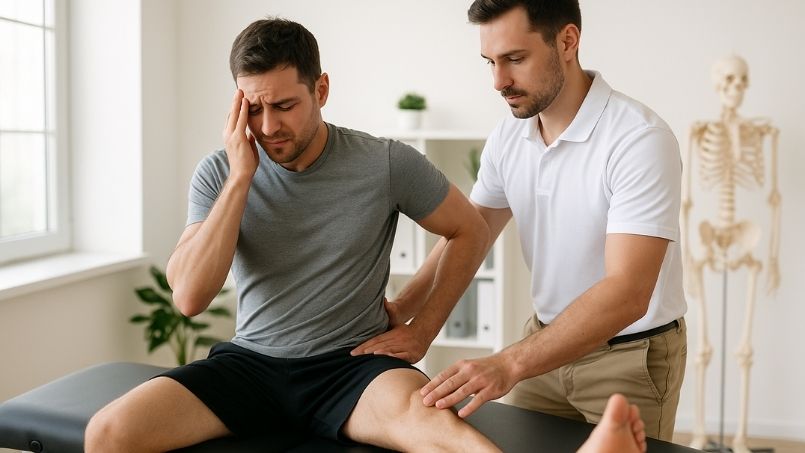
Standard injury recovery follows a predictable pattern: rest until pain subsides, perform generic exercises, and gradually increase activity. This works for minor injuries but fails to address underlying causes or the compensatory patterns developed during recovery. When one area gets injured, adjacent structures compensate to protect damaged tissue, creating cascading problems throughout your movement system.
These compensations seem helpful initially, but create dysfunction—overworked muscles become tight, underutilized muscles weaken, and joints develop restrictions. Generic exercise protocols don’t address your specific injury pattern, compensation, and limitation. They might strengthen muscles but ignore flexibility restrictions, target isolated muscles but miss integrated movement patterns, and fail to address structural alignment issues that contributed to injury. This explains why many people follow protocols faithfully yet experience incomplete recovery.
The StretchClub Integrated Physical Therapy Approach
Comprehensive Movement Assessment
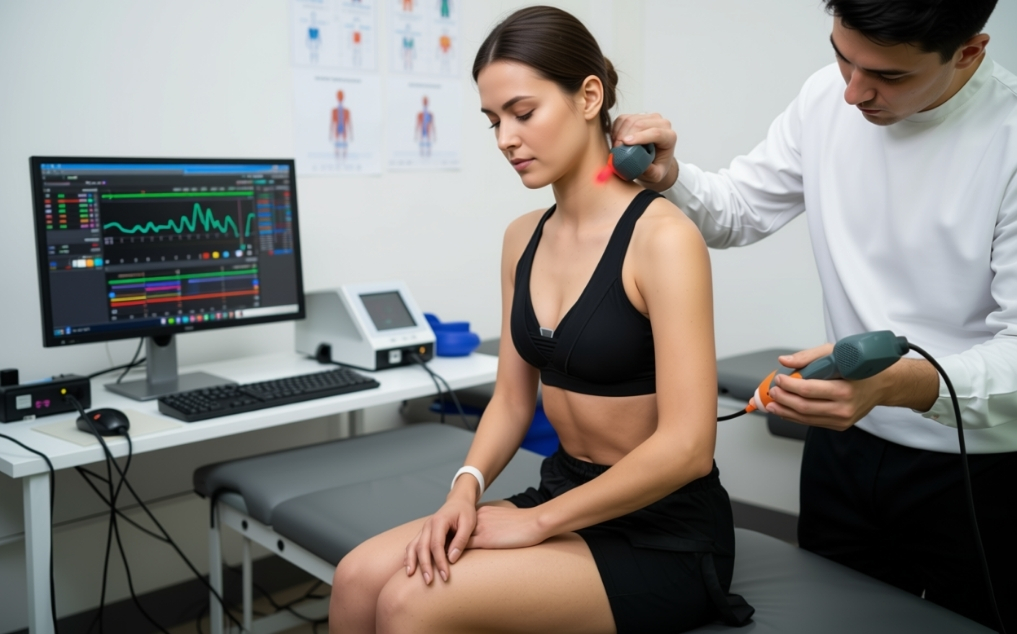
Recovery starts with a full-body evaluation—not just your injury. Athletic trainers test functional movement, identify compensations, assess muscle imbalances, joint mobility, and how the injury affects daily activity. This reveals the real causes of pain and stalled healing—like knee pain from hip weakness or shoulder pain from spine stiffness—so treatment targets the root, not just symptoms.
Targeted Exercise Therapy
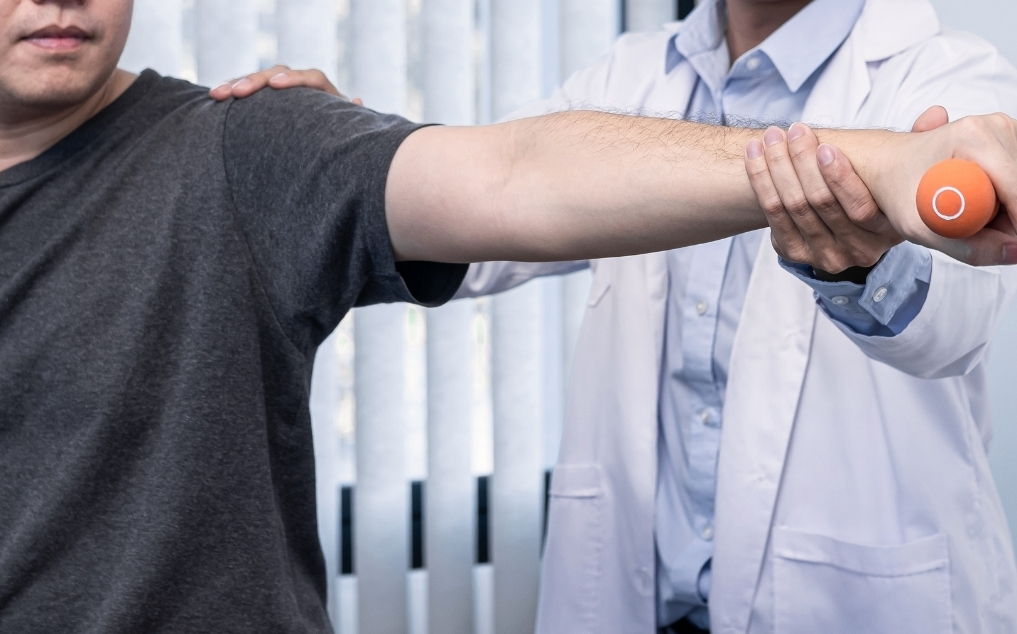
StretchClub’s exercise programs are built on your specific assessment results. Trainers design progressive routines that begin with activation and control, advance to full-range strength, and finish with functional movement patterns. One-on-one supervision ensures perfect form and prevents compensations, creating lasting improvements rather than reinforcing poor habits.
Strategic Partner-Assisted Stretching
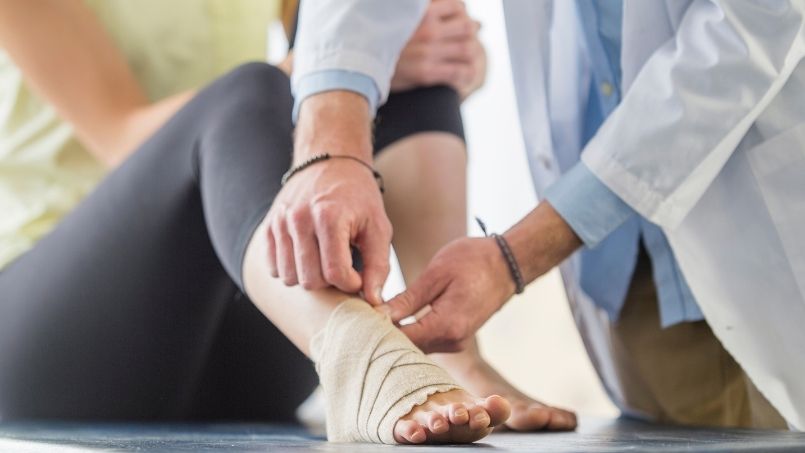
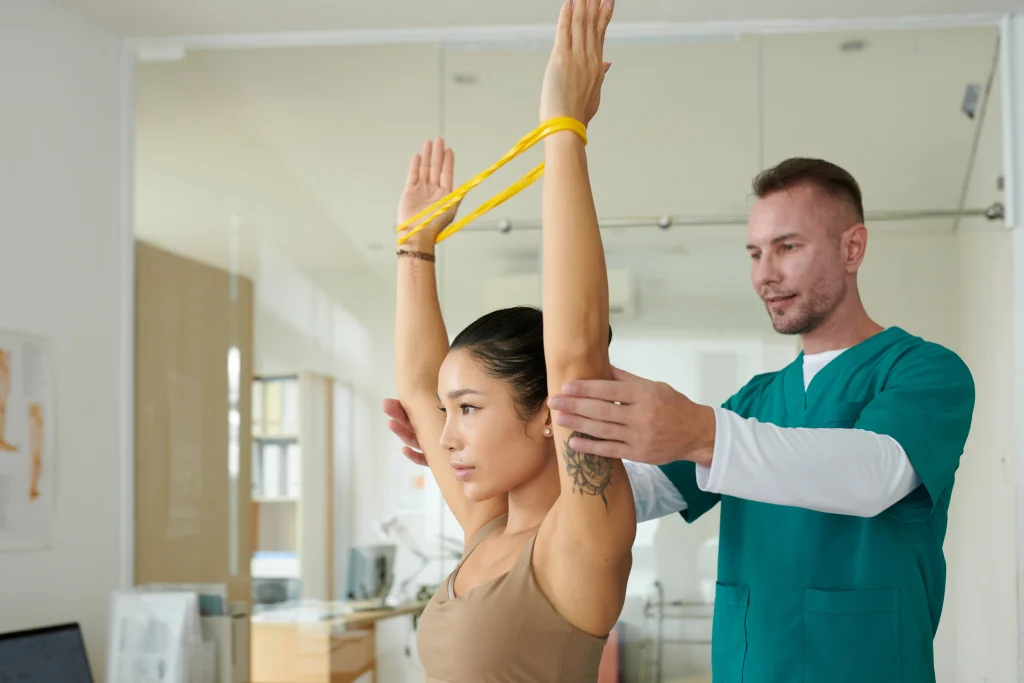
Unlike self-stretching, StretchClub’s doctor-designed sessions use PNF and dynamic partner-assisted techniques to release deep restrictions that limit recovery. This improves not just flexibility but balance between muscle length and strength. Releasing tightness before strengthening prevents dysfunction and pain, producing faster, more complete results.
Chiropractic Integration for Optimal Function

Proper alignment is key to effective recovery. Dr. Adam Macek and his team in Naperville IL restore joint mechanics, reduce nerve interference, and enhance muscle activation so exercise and stretching work more effectively. This structural integration often resolves stubborn injuries that traditional therapy alone cannot.
Conditions Successfully Treated Through Integrated Physical Therapy
Post-Surgical Rehabilitation
Surgery repairs damaged structures but leaves you weak, stiff, and moving dysfunctionally. Comprehensive rehabilitation restores function completely through progressive protocols respecting healing timelines while preventing the compensatory patterns and muscle atrophy that complicate recovery. Whether recovering from knee surgery, rotator cuff repair, spinal procedures, or other operations, integrated care ensures you regain full function rather than just adequate function.
Sports Injury Recovery
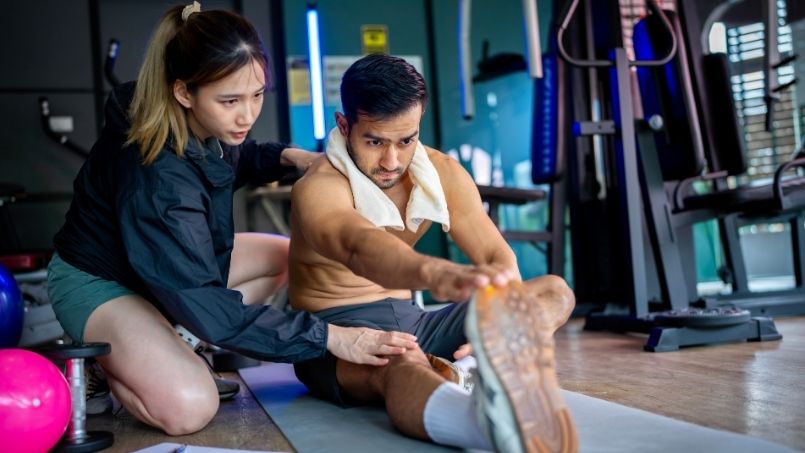
Athletic injuries require not just healing but restoration of the strength, power, and movement quality that sports demand. Treatment addresses the specific requirements of your sport and position—explosive power for basketball, rotational strength for golf, endurance for distance running. The goal isn’t just eliminating pain but returning to competition at or above your previous performance level.
Chronic Pain and Dysfunction
Long-standing problems that haven’t responded to other treatments often improve when all contributing factors are finally addressed simultaneously. Chronic lower back pain, persistent shoulder dysfunction, recurring ankle instability, and other stubborn issues resolve as the integrated approach treats structural alignment, muscle restrictions, movement patterns, and stability deficits that previous treatment missed.
Movement Disorders and Imbalances
Not all physical therapy addresses acute injury—many people seek treatment for movement limitations affecting quality of life. Difficulty with stairs, trouble reaching overhead, inability to sit comfortably for extended periods, and general weakness or instability all improve through systematic assessment and treatment of the specific limitations creating these functional problems.
What Sets StretchClub Physical Therapy Apart
True One-on-One Care
At StretchClub, your trainer’s full attention stays on you—no divided sessions or shared equipment. This focus allows immediate feedback, precise form correction, and personalized exercise progressions that accelerate recovery. Unlike clinics juggling multiple patients, you receive expert guidance every minute, ensuring quality and consistency in every session.
Coordinated Multi-Disciplinary Team
Your athletic trainer, stretch specialist, and chiropractor work together, regularly reviewing your progress and adjusting treatment as needed. If pain or progress stalls, the team identifies and resolves underlying issues collaboratively. This coordination prevents conflicting treatments and ensures every session supports your overall recovery plan.
Shorter, More Frequent Sessions
Instead of long, exhausting sessions a few times per week, StretchClub uses shorter, more frequent visits when appropriate. This keeps form sharp, prevents fatigue, maintains motivation, and provides consistent progress checks essential for neuromuscular retraining.
The Recovery Timeline You Can Expect
Most patients notice improvement within 2–3 weeks, with major progress over 6–8 weeks as strength and flexibility return. Full recovery typically occurs within 8–16 weeks, depending on the injury. Trainers set realistic goals and track progress with measurable data—strength tests, mobility range, and pain scales—so you see objective results, not just subjective feelings.
Who Benefits Most from Integrated Physical Therapy
Post-surgery patients achieve full recovery, athletes regain performance, active adults maintain independence, and workers safely return to their jobs. Those frustrated by incomplete rehab or chronic pain also benefit, as the integrated approach addresses every factor hindering healing.
Insurance Coverage and Getting Started
StretchClub accepts many commercial insurance plans, including Blue Cross Blue Shield PPO. The team reviews your benefits, explains costs upfront, and handles paperwork for auto injury claims. While Medicare and Medicaid aren’t accepted, flexible payment plans make treatment accessible for all patients.
Begin Your Recovery at StretchClub Naperville
StretchClub’s doctor-designed physical therapy programs have helped countless Naperville residents achieve complete recovery after other approaches produced only partial results. The integrated team approach ensures you receive comprehensive care addressing all factors limiting your healing and function.
Don’t let incomplete recovery, persistent weakness, or chronic pain continue limiting your life. Contact StretchClub Naperville today to schedule your free consultation. Discover how customized one-on-one care—combining targeted exercise therapy, assisted stretching, and chiropractic support—can speed up your recovery and strengthen your body to prevent future injuries.
Frequently Asked Questions
How is StretchClub’s physical therapy different from traditional PT clinics?
StretchClub integrates exercise therapy with doctor-designed partner-assisted stretching and chiropractic care, addressing flexibility restrictions and structural alignment issues that exercise-only programs miss. The true one-on-one format ensures your athletic trainer’s complete attention throughout each session rather than dividing time among multiple patients. This comprehensive, focused approach produces a more complete recovery than standard physical therapy protocols.
Do I need a prescription or referral for physical therapy?
Illinois allows direct access to physical therapy services without a physician referral for many conditions. However, insurance coverage requirements vary—some plans require referrals while others don’t. The StretchClub team verifies your specific insurance requirements and helps obtain any necessary documentation during the scheduling process.
How long will my physical therapy treatment take?
Treatment duration varies based on injury severity, surgical healing requirements, your current fitness level, and your specific goals. Most patients achieve significant functional improvements within 6-8 weeks, with complete recovery typically requiring 8-16 weeks. Your athletic trainer establishes realistic timeline expectations during the initial assessment and adjusts projections based on your progress.
Will physical therapy hurt?
Some discomfort during and after sessions is normal as you work tissues that have been injured or inactive. However, treatment should never cause sharp pain or significantly worsen your symptoms. Your athletic trainer carefully progresses intensity, monitoring your responses and adjusting to keep treatment within appropriate limits that promote healing rather than creating additional injury.
Can I do physical therapy while still working or playing sports?
Activity recommendations depend entirely on your specific injury and healing stage. Some conditions require temporary rest from aggravating activities, while others allow modified participation. Your treatment team provides specific guidance about what to continue, modify, or avoid. As recovery progresses, gradual return-to-activity protocols ensure you resume work and sport safely.
What if I’ve already tried physical therapy without success?
Many patients whose previous physical therapy produced incomplete results benefit from the integrated approach, addressing factors that prior treatment missed. Often, the missing components are chronic flexibility restrictions, structural alignment issues, or compensatory movement patterns that exercise alone cannot correct. Comprehensive assessment identifies what previous treatment overlooked, allowing targeted intervention to finally produce complete recovery.
How do I know if I need physical therapy or just rest?
If pain or functional limitation persists beyond a few days, worsens despite rest, or affects your daily activities or sleep, professional evaluation is warranted. Early intervention typically produces better outcomes than waiting for problems to become severe or chronic. Even injuries that seem minor benefit from assessment, ensuring proper healing and preventing compensatory patterns that create future problems.
What should I bring to my first physical therapy visit?
Wear comfortable athletic clothing that allows easy movement and access to injured areas. Bring any relevant medical records, imaging results, or surgical reports. If you have specific activities or movements you’re trying to return to, mention these during assessment so treatment can specifically address those functional goals. Come prepared with questions about your recovery timeline, treatment approach, and home care recommendations.