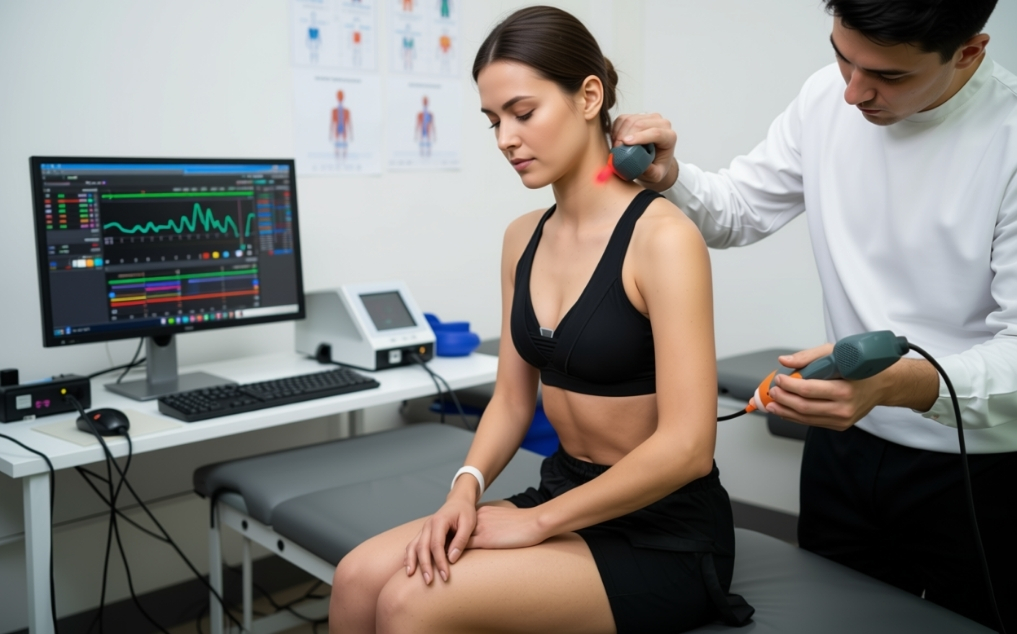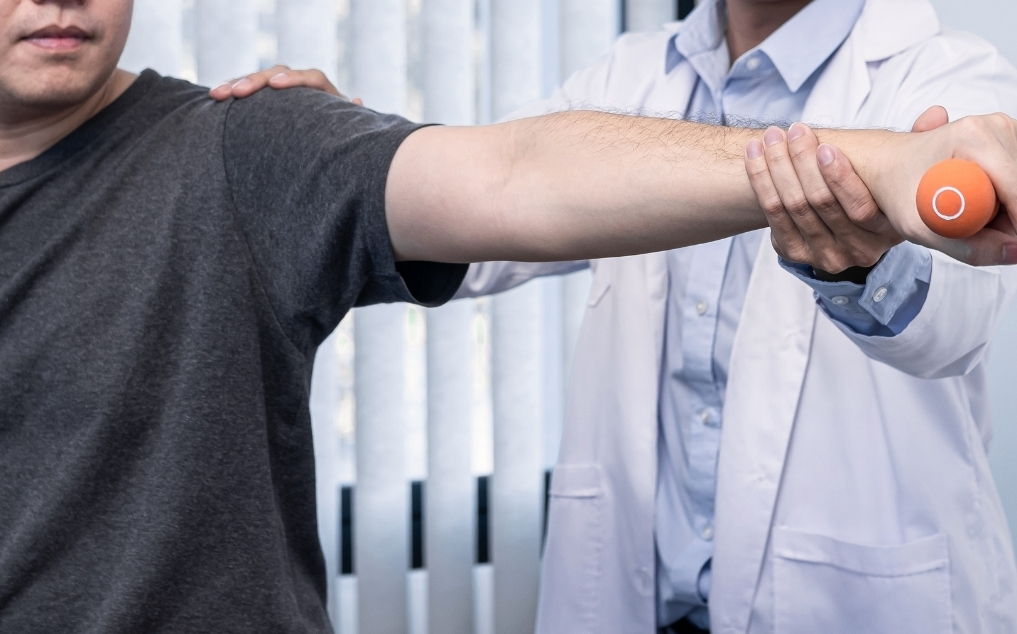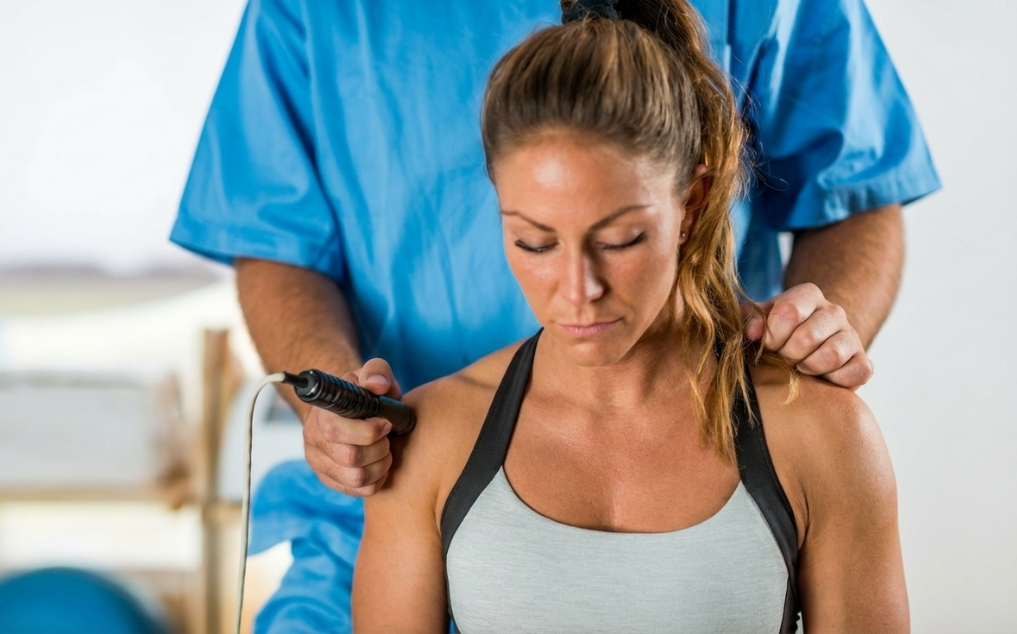

The injury happened fast—a twisted ankle, a back strain lifting groceries, or whiplash from a collision. Now mobility is limited, pain disrupts sleep, and rest, ice, or OTC meds haven’t helped.
StretchClub® in Yorkville IL uses doctor-designed programs that promote healing, not just mask pain. Combining chiropractic care, partner-assisted stretching, and progressive strengthening, this approach addresses structural damage, muscle dysfunction, and movement compensations. Whether from sports, accidents, or everyday mishaps, comprehensive treatment helps you regain full function faster and return to normal activities more completely.
Why Injuries Don’t Heal Properly on Their Own
When an injury occurs, your body follows a natural healing process: inflammation to contain damage, tissue repair to rebuild structures, and remodeling to strengthen healed tissue. This works well for minor injuries, but many factors can interfere, leaving lingering pain, limited movement, or weakness.
Scar tissue can form in disorganized patterns, restricting motion and creating future injury sites. Surrounding muscles may stay tight as protective guards, adjacent joints stiffen from disuse, and stabilizing muscles weaken, leaving areas vulnerable even after pain fades.
Without proper intervention, injuries may heal incompletely—pain might improve, but performance, flexibility, and strength can remain compromised. Professional treatment accelerates healing and ensures tissue repairs are strong, flexible, and functional, not just pain-free.
Common Injuries Successfully Treated at StretchClub
Sports and Athletic Injuries
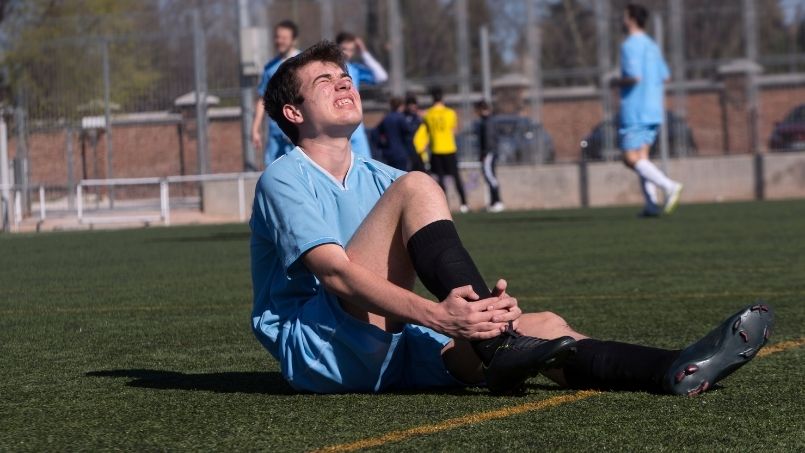
Sports create specific injury patterns. Ankle sprains, rotator cuff strains, knee injuries, and muscle pulls heal best with progressive treatment restoring mobility, stability, and proper scar tissue formation. Overuse injuries like runner’s knee or tennis elbow improve as biomechanics are corrected and tissues are strengthened.
Auto Accident Injuries
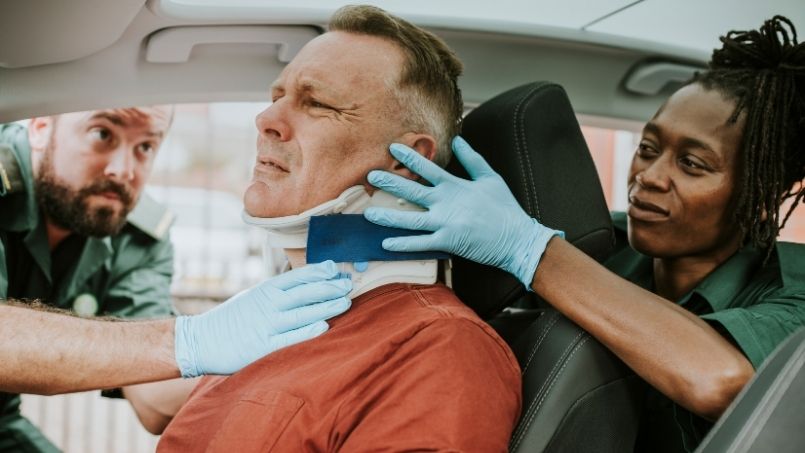
Whiplash, back strains, and soft tissue damage from collisions require early intervention to prevent chronic pain. Gentle adjustments, stretching, and strengthening guide proper healing and prevent restrictive scar tissue. Prompt treatment produces better outcomes than delayed care.
Everyday Injuries and Accidents
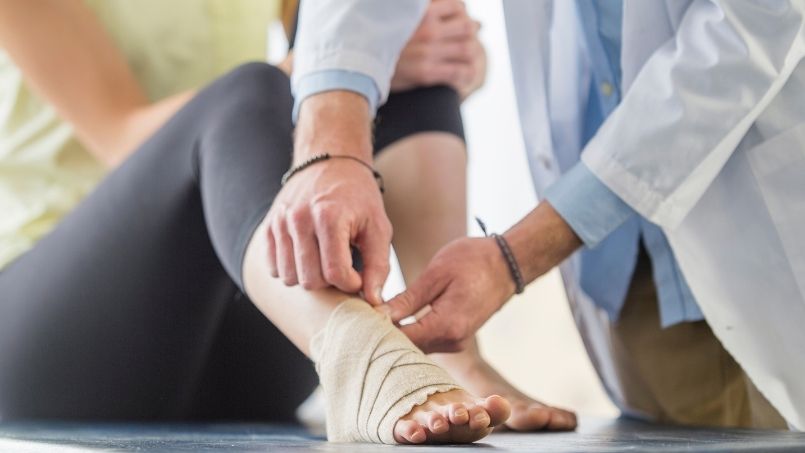
Falls, lifting injuries, repetitive strain, and household mishaps respond well to comprehensive treatment. Addressing both the injury and the movement patterns that caused it ensures full recovery and reduces the risk of recurrence.
The StretchClub Approach to Injury Recovery
Immediate Injury Assessment
Your first visit evaluates injury severity, affected structures, and develops a treatment plan. Drs. Alyssa Holum and Mark Glynn assess ligaments, muscles, joints, movement patterns, and nerve function, determining if imaging or medical referral is needed. This ensures all injury components—not just the obvious pain—are addressed for full recovery.
Targeted Chiropractic Care
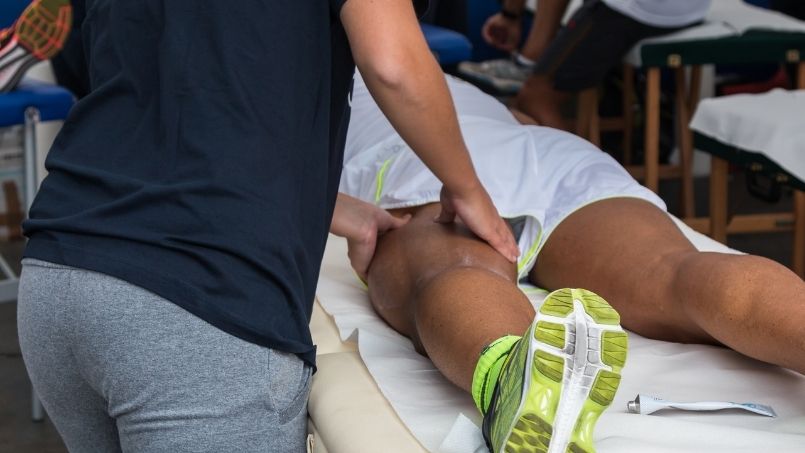
Chiropractic adjustments restore joint mechanics disrupted by trauma. Gentle techniques reduce restrictions, while treatment intensity gradually increases to address compensatory patterns in adjacent areas. The approach considers the entire kinetic chain, preventing secondary issues after the primary injury heals.
Strategic Stretch Programs
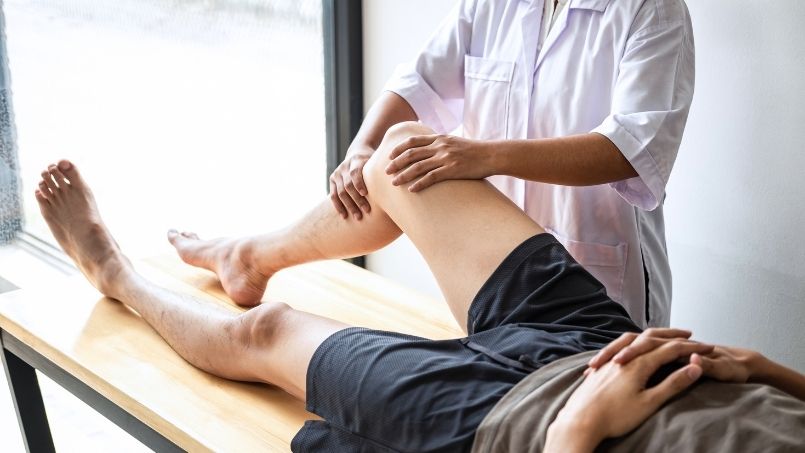
Doctor-designed stretching maintains mobility early and promotes optimal scar tissue alignment later, creating flexible, functional repairs. Using PNF and dynamic partner-assisted stretching, intensity adjusts to your healing stage. Most patients notice improved flexibility and reduced stiffness within 2–4 weeks.
Progressive Strengthening and Stabilization
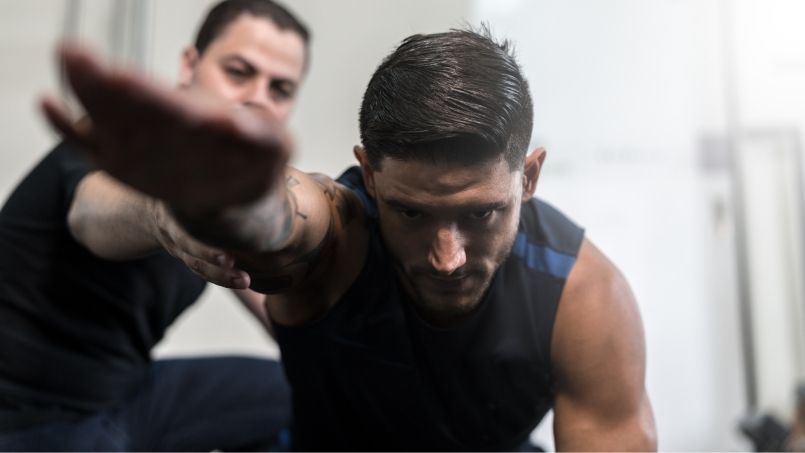
Athletic trainers guide gradual strengthening, starting with gentle activation and progressing to full capacity. Exercises rebuild stability, proprioception, and strength in injured areas—ankles, shoulders, or back—reducing re-injury risk and often improving function beyond pre-injury levels.
Coordinated Team Recovery
Chiropractors, stretching, and training teams collaborate to align treatment with healing stages. Progress is monitored and protocols adjust as needed, ensuring all components work together for optimal, safe recovery.
The Recovery Timeline You Can Expect
Acute Phase (Days 1-7)
Immediate post-injury treatment focuses on controlling inflammation, preventing excessive scar tissue formation, and maintaining mobility in uninjured areas. Treatment frequency is typically higher during this phase—several sessions weekly—as early intervention significantly impacts long-term outcomes. You’ll receive gentle adjustments appropriate for acute injuries, ice, and other modalities managing inflammation, home care instructions for optimal healing, and activity modifications protecting healing tissues.
Subacute Phase (Weeks 2-6)
As acute inflammation resolves, treatment emphasizes promoting optimal tissue repair and gradually restoring function. Progressive stretching maintains and improves flexibility as tissues heal, gentle strengthening prevents muscle atrophy while respecting healing limitations, and gradually increased activity helps restore normal movement patterns. Treatment frequency often decreases during this phase as healing progresses and you require less intensive intervention.
Remodeling Phase (Weeks 6-12+)
Later stage recovery focuses on building strength and function beyond pre-injury levels and preventing re-injury through proper conditioning. Advanced strengthening creates robust tissue exceeding original capacity, sport or activity-specific training ensures full return to previous function, and maintenance care prevents future problems. Many patients transition to periodic sessions, preventing new issues while maintaining the improvements achieved during active treatment.
Who Benefits from Injury Chiropractic Care

Athletes at all levels—from weekend warriors to competitive players—benefit from treatment, getting them back to sport faster and more completely. Active adults injured during exercise, recreational activities, or daily life appreciate comprehensive care that doesn’t just relieve pain but fully restores function. Workers injured on the job require thorough treatment addressing not just immediate symptoms but the biomechanical issues that contributed to injury.
Auto accident victims benefit enormously from early intervention, preventing the chronic pain common after whiplash and impact injuries. Older adults recovering from falls or everyday accidents need careful progression respecting healing capacity while still promoting optimal recovery. Anyone dealing with injury—whether sports-related, accident-caused, or everyday mishaps—benefits from professional treatment that actively promotes healing rather than passive rest waiting for the body to heal on its own.
Insurance Coverage for Injury Treatment
Commercial health insurance usually covers chiropractic injury care, and StretchClub accepts plans including Blue Cross Blue Shield PPO. Coverage is confirmed during your first visit, and the team reviews what’s covered and any out-of-pocket costs before treatment begins.
For auto accident injuries, StretchClub works directly with insurance providers to coordinate care. The administrative team handles all paperwork, claim submissions, and communication with adjusters, letting you focus on recovery. While Medicare and Medicaid aren’t currently accepted, flexible payment options are available for patients with other insurance or paying out-of-pocket.
Start Your Recovery at StretchClub Yorkville
StretchClub’s doctor-designed injury recovery programs have helped countless patients heal faster and more completely than rest alone allows. Dr. Alyssa Holum’s expertise, combined with integrated team care, ensures you receive comprehensive treatment addressing all injury components for optimal outcomes.
Don’t let an injury sideline you longer than necessary or heal incompletely, leaving you vulnerable to re-injury or chronic problems. Contact StretchClub Yorkville today to schedule your injury evaluation. Experience how integrated care combining chiropractic treatment, strategic stretching, and progressive strengthening gets you back to full activity faster and more completely.
Frequently Asked Questions
How soon after an injury should I seek treatment?
As soon as possible, ideally within the first few days. Early intervention significantly improves long-term outcomes by controlling inflammation, preventing excessive scar tissue formation, and maintaining mobility during healing. Even for injuries that seem minor initially, early assessment identifies problems that might develop into chronic issues without appropriate treatment. Don’t wait for pain to become severe or function to deteriorate significantly before seeking care.
Can chiropractic care help with sports injuries or just back pain?
Chiropractic care effectively treats a wide range of injuries throughout the body. While chiropractors are known for spinal care, training includes treatment for extremity injuries—shoulders, elbows, wrists, hips, knees, ankles. The integrated approach at StretchClub addresses injuries anywhere in the body through appropriate adjustments, stretching, and strengthening specific to each injury location and type.
Will treatment hurt if I’m already in pain from my injury?
Treatment is carefully calibrated to your pain tolerance and healing stage. Early treatment uses gentle techniques appropriate for acute injuries—never forcing painful movements or creating additional trauma. As healing progresses, treatment intensity gradually increases but always remains within comfortable limits. Most patients find that treatment provides relief rather than causing additional discomfort.
How is injury treatment different from regular chiropractic care?
Injury care follows protocols that match healing stages, gradually increasing intensity. It starts with inflammation control and complication prevention, moves to optimal tissue repair and scar alignment, and finishes with strength and function beyond pre-injury levels—unlike maintenance care for chronic conditions.
Can I continue playing my sport while recovering from injury?
Activity recommendations depend entirely on injury severity and type. Some injuries require complete rest from aggravating activities during early healing, while others allow modified participation. Your treatment team provides specific guidance about what activities to continue, modify, or avoid based on your injury. As recovery progresses, gradual return-to-sport protocols ensure you resume activities safely without risking re-injury.
What if my injury happened months ago and still isn’t better?
Chronic injuries that haven’t healed properly often respond well to comprehensive treatment even months or years after initial trauma. Treatment addresses the scar tissue restrictions, muscle imbalances, and movement compensations that developed during incomplete healing. While recovery from chronic injuries typically takes longer than treating acute injuries immediately, significant improvement is often possible regardless of how long ago the injury occurred.
How do I prevent re-injuring the same area?
Preventing re-injury means addressing the root causes—biomechanics, strength, and movement patterns. Treatment restores mobility, corrects faulty movement, and builds strength beyond pre-injury levels, often leaving patients stronger and more resilient than before.
Does treatment work for both new injuries and old problems that never fully healed?
Yes, the integrated approach benefits both acute injuries requiring immediate treatment and chronic problems from injuries that healed incompletely. For acute injuries, early treatment promotes optimal healing and prevents chronic complications. For old injuries, treatment addresses the restrictions, imbalances, and compensations that persisted after initial healing, finally resolving problems that may have bothered you for months or years.